Public Art
Need an image, a record or permission to exhibit a work?
Write to the archive with the work, the institution and the intended use. The team replies with the material and the conditions.
Write to the archive with the work, the institution and the intended use. The team replies with the material and the conditions.
No work matches that term on this page.
1 of 4
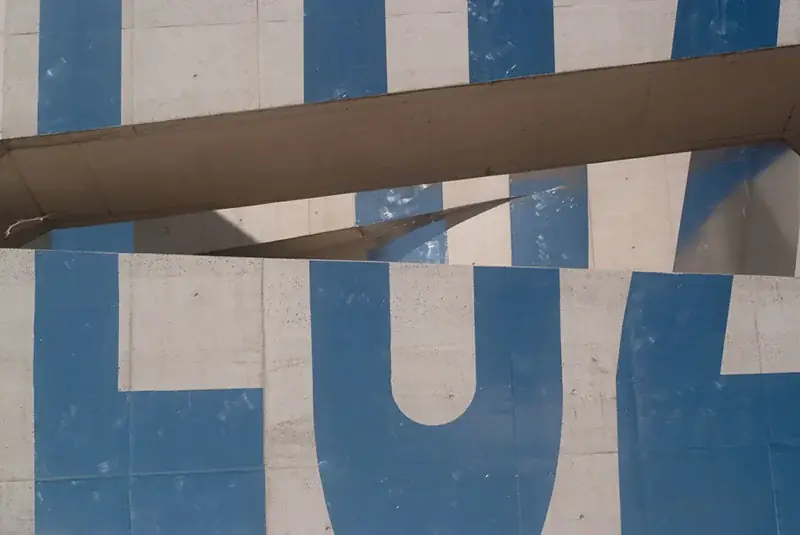
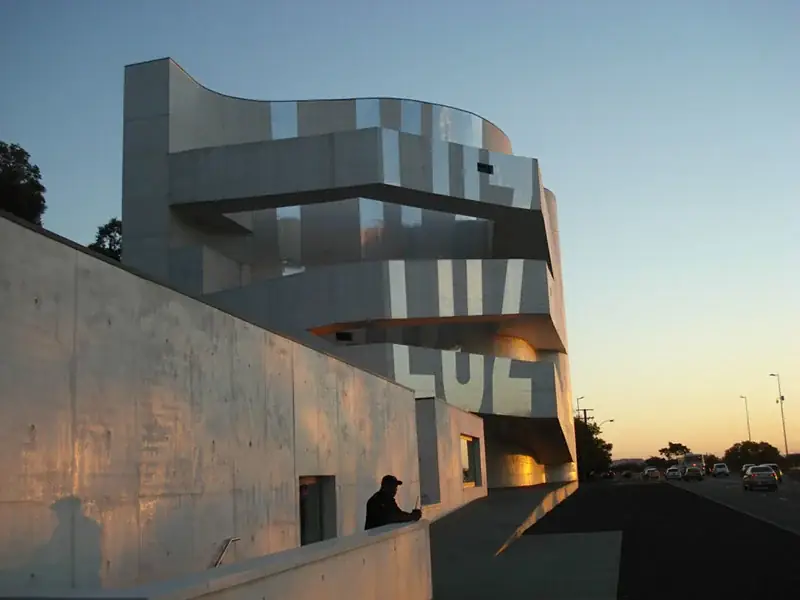
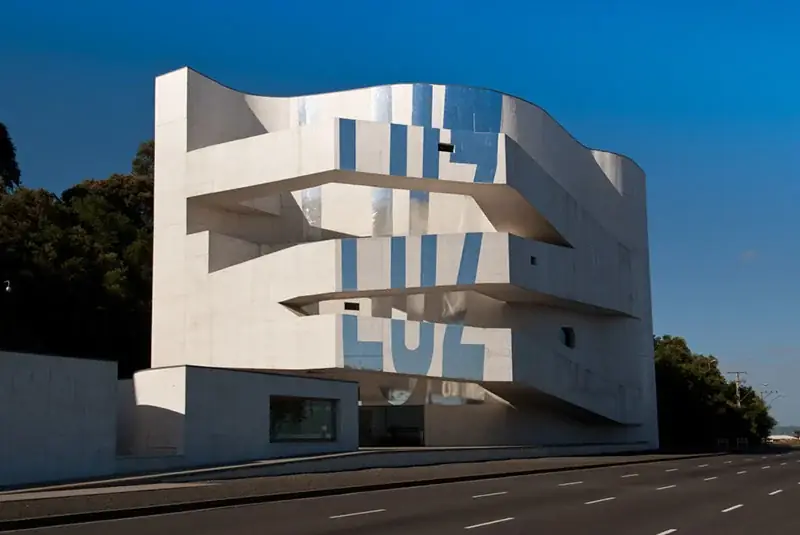
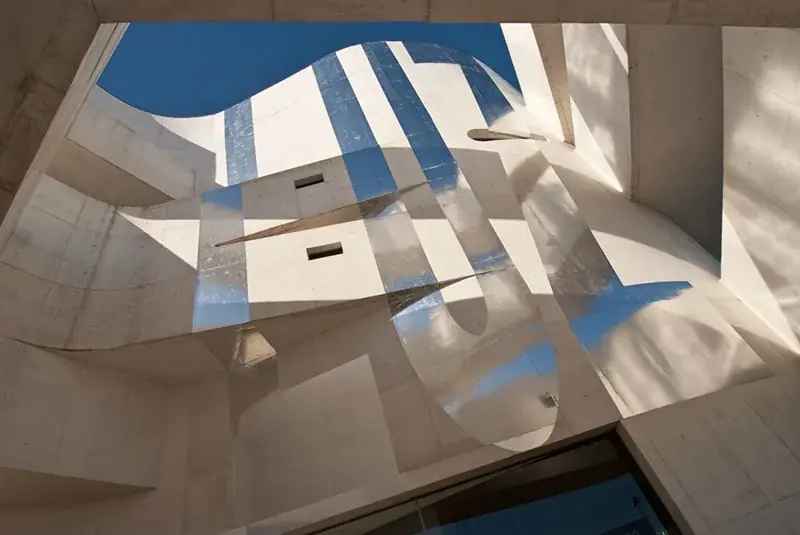
2011 Fundação Iberê Camargo. Porto Alegre, RS, Brasil Photo / photo: Fabio Del Re
1 of 2
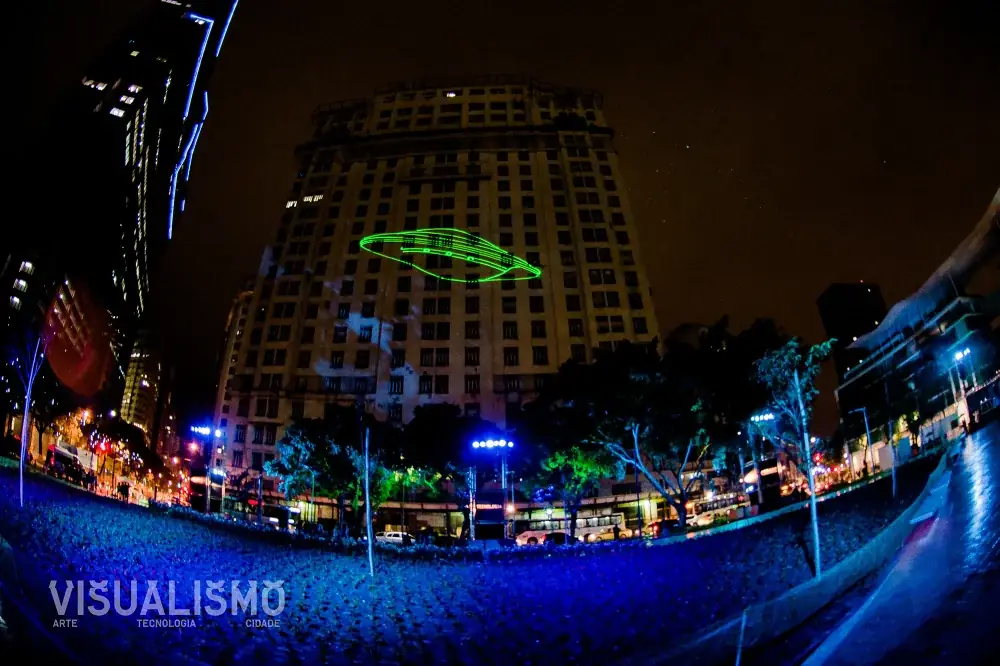
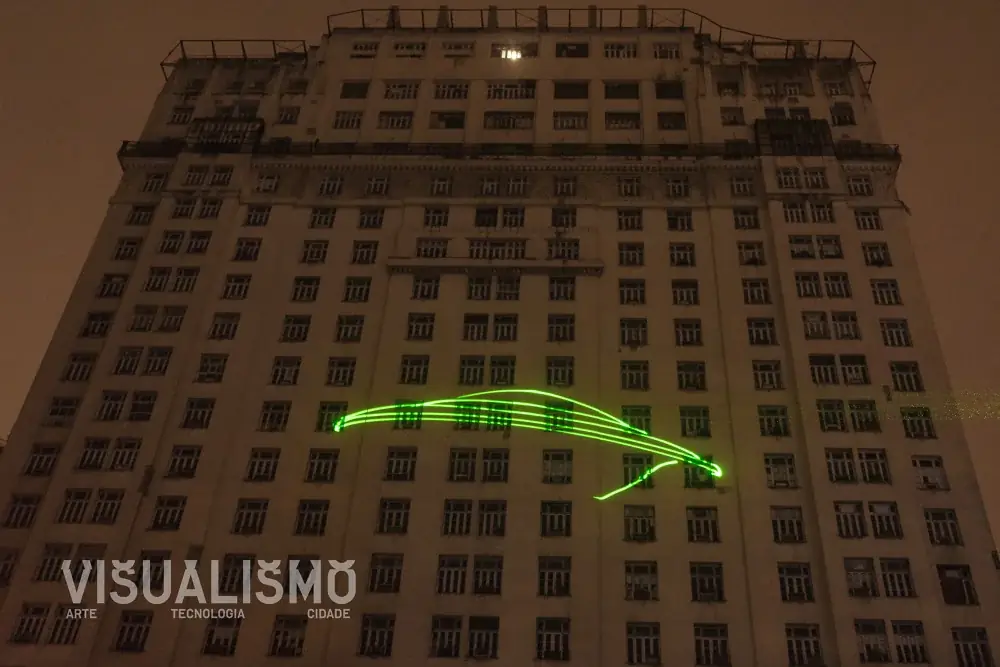
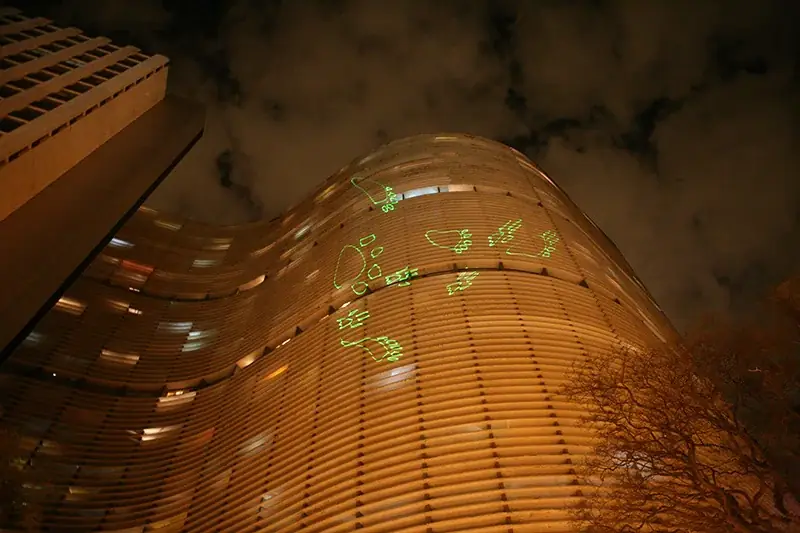
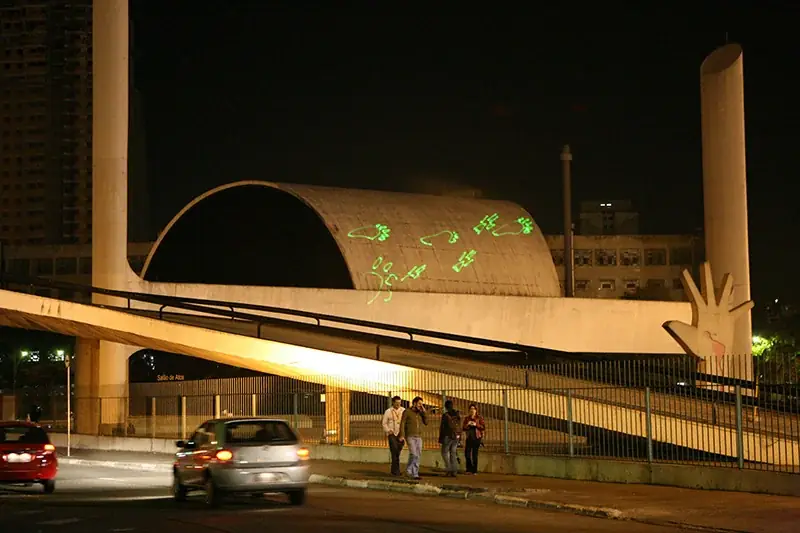
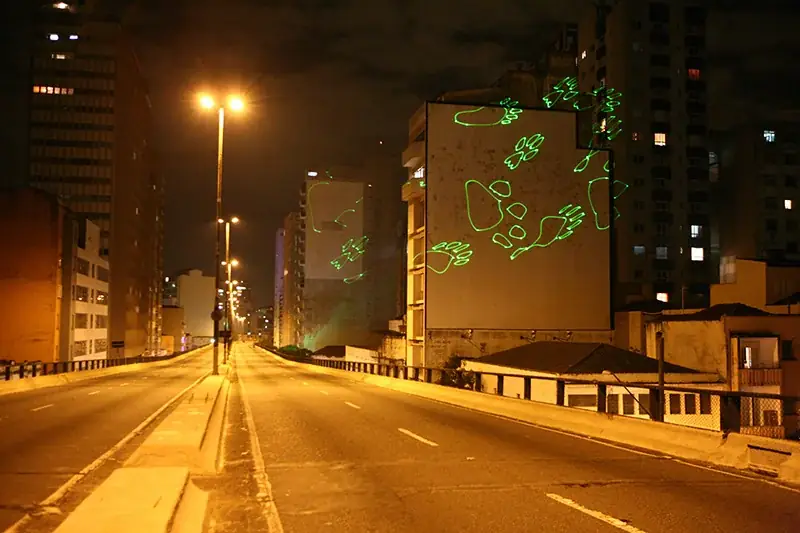
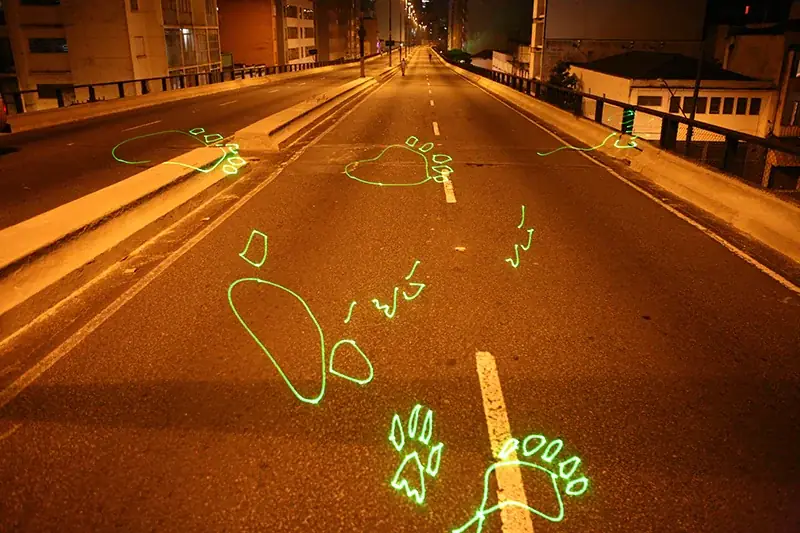
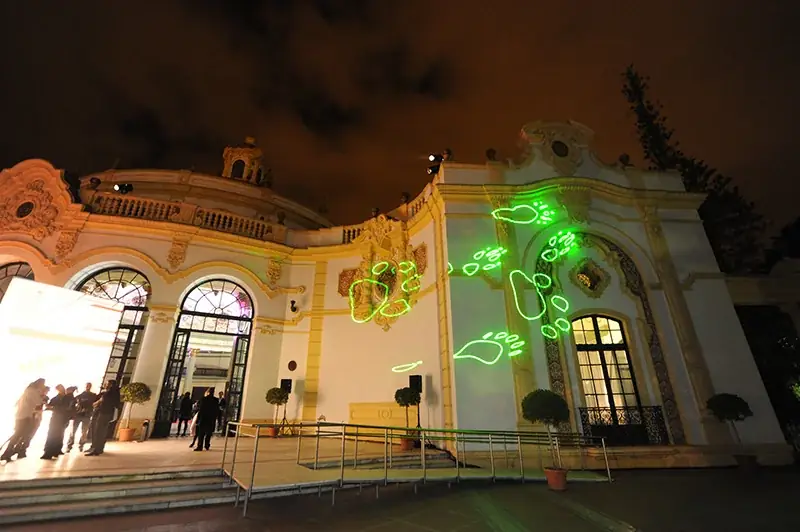
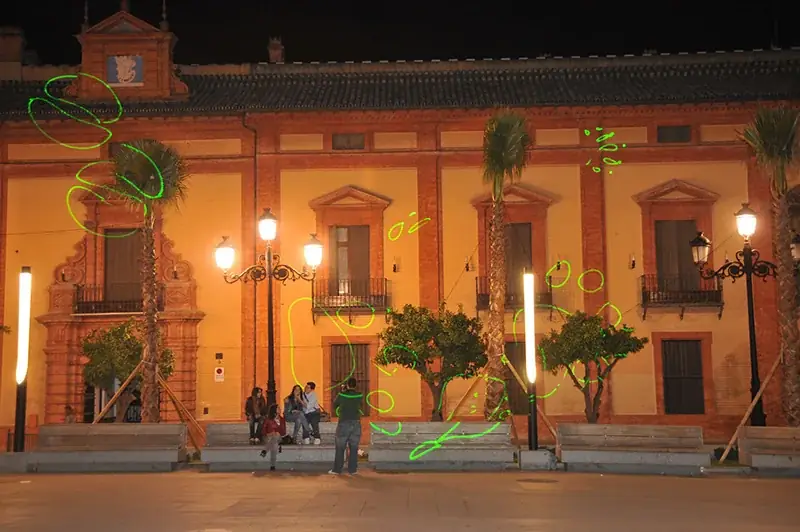
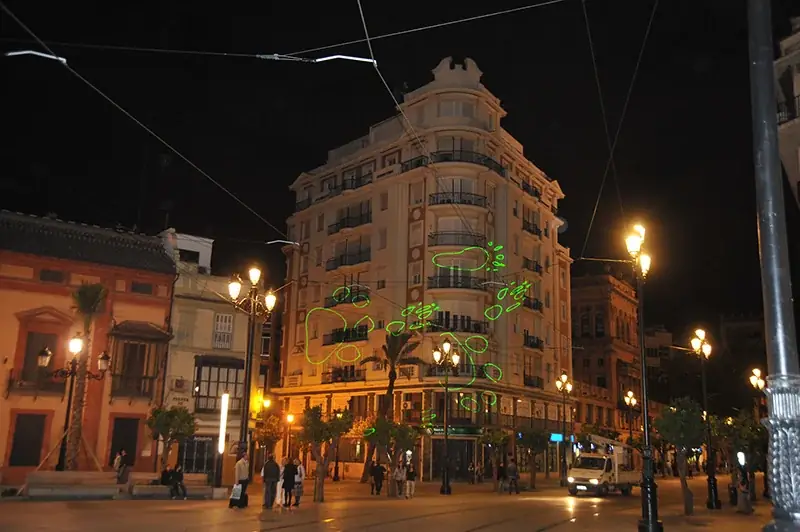
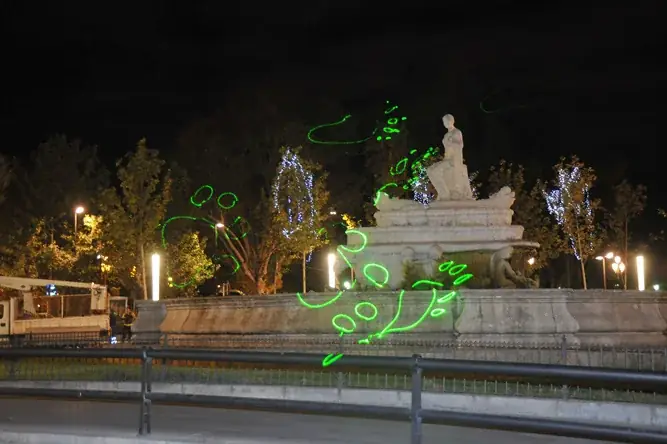
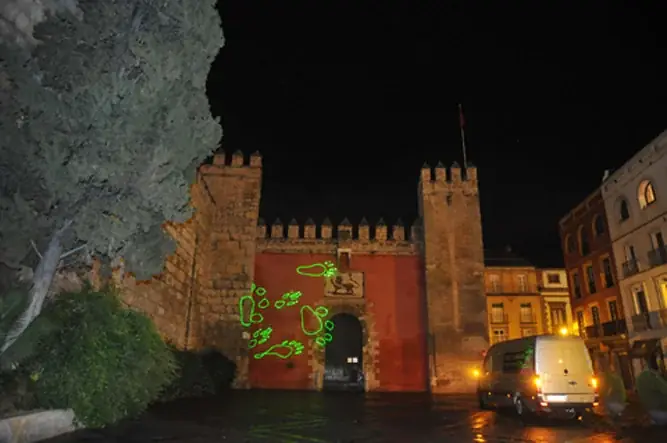
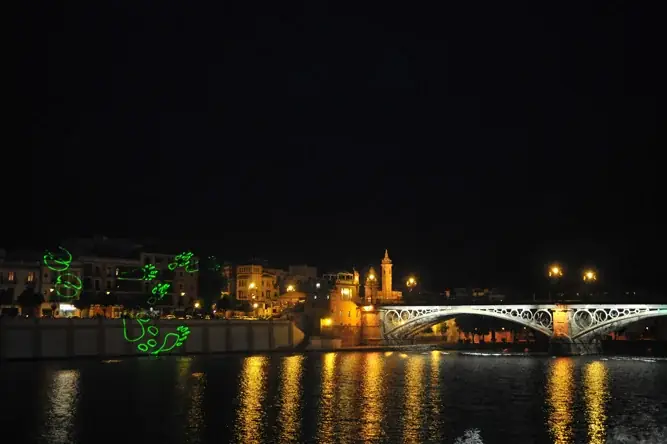
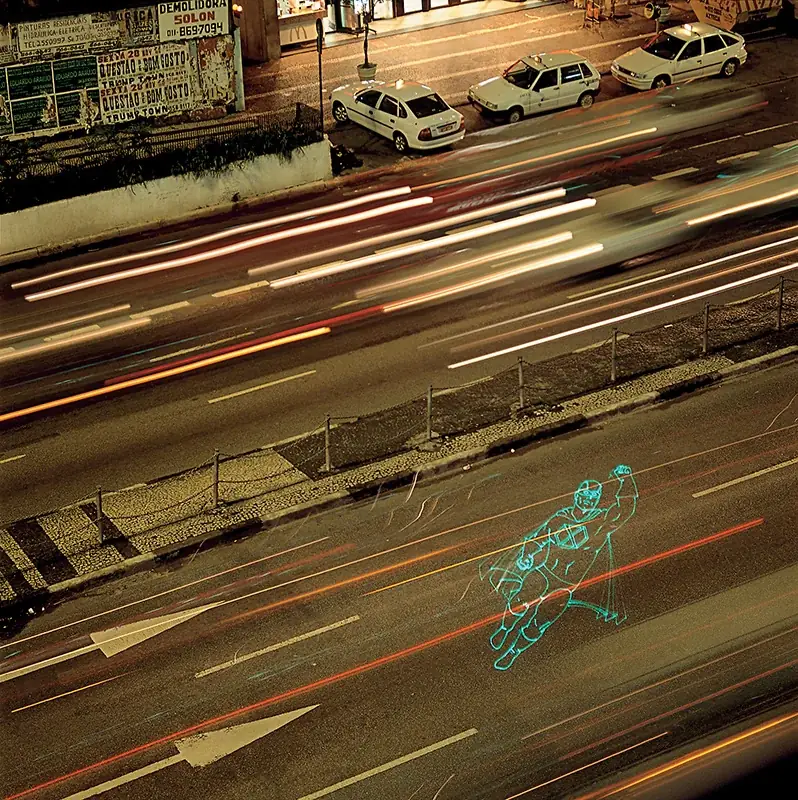
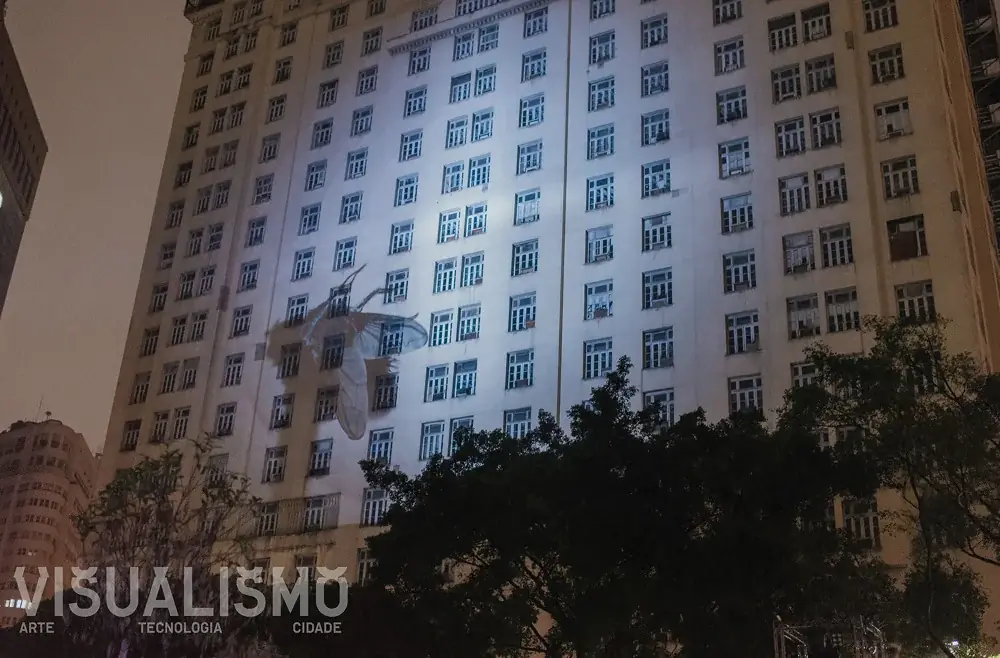
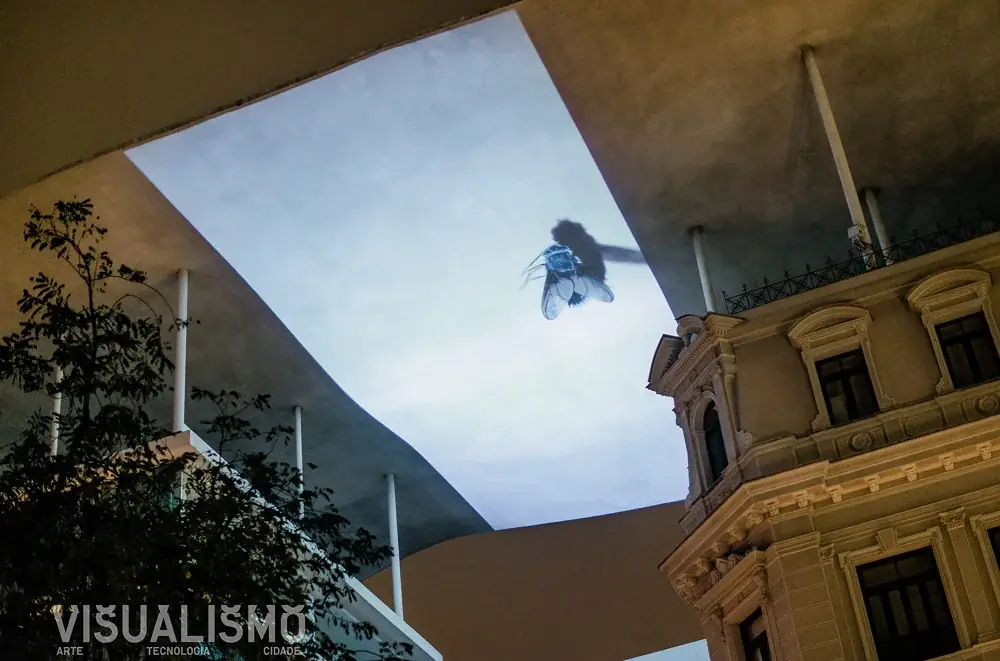
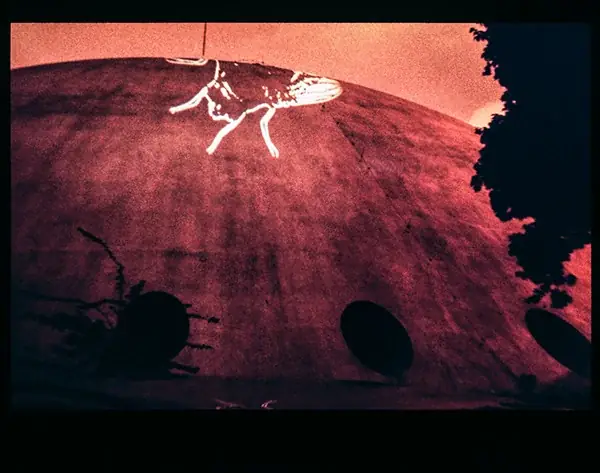
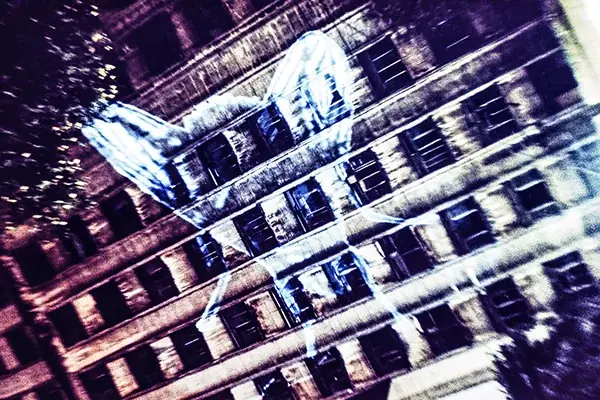
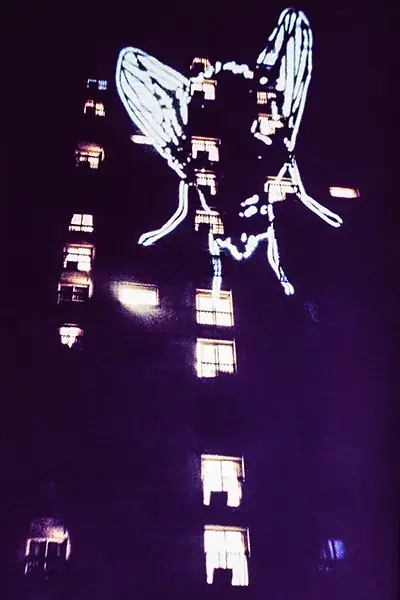
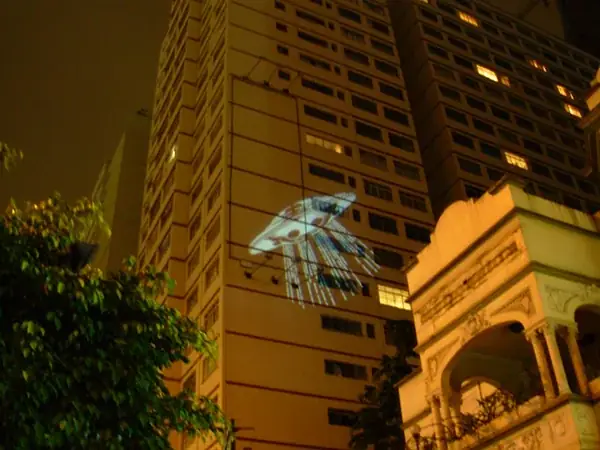
Festival Visualismo, Praça Mauá, Rio de Janeiro Projeção de animação em laser 2015 Photo: Eduardo Magalhães
Cartoon
Projeção de animação em laser 2015
Festival Visualismo, Praça Mauá, Rio de Janeiro
2025 © Regina Silveira. Todos os Direitos Reservados.
1 of 6
Curitiba International Biennial, Brazil
1 of 3
Arte/Cidade: Zona Leste, SESC Belenzinho, São Paulo, Brasil
1 of 5
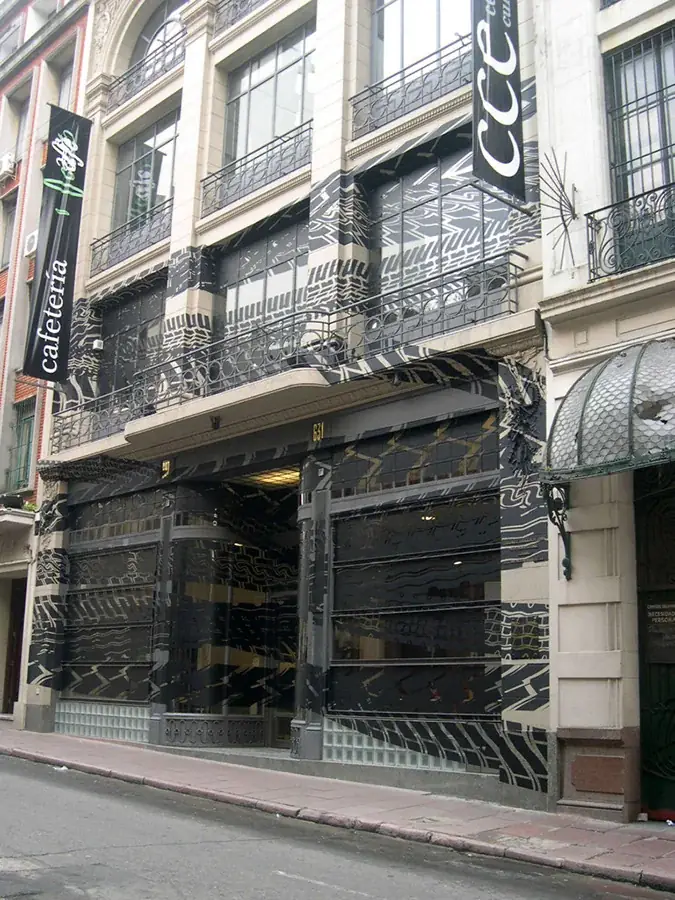
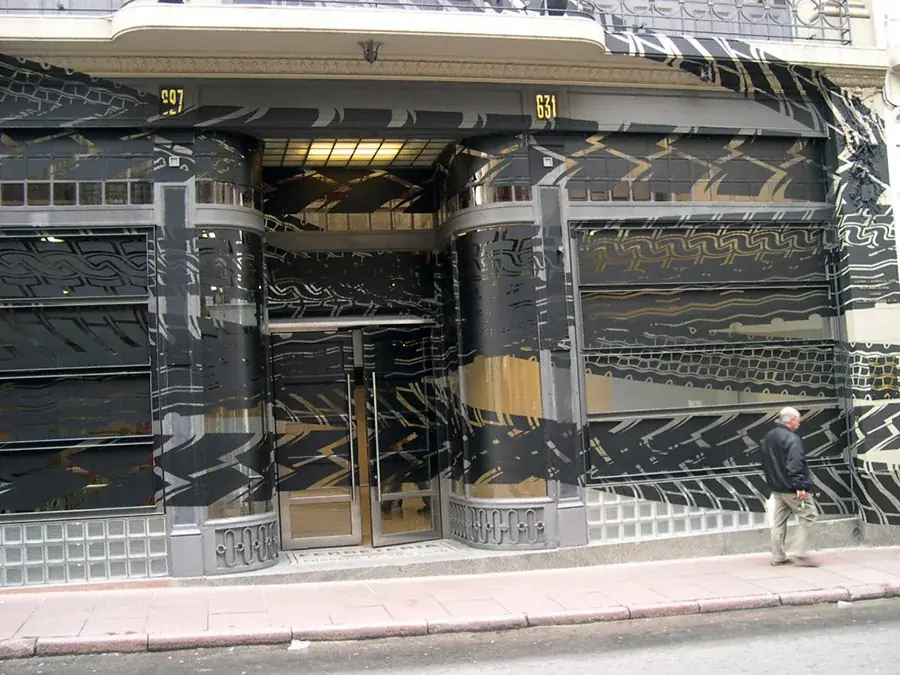
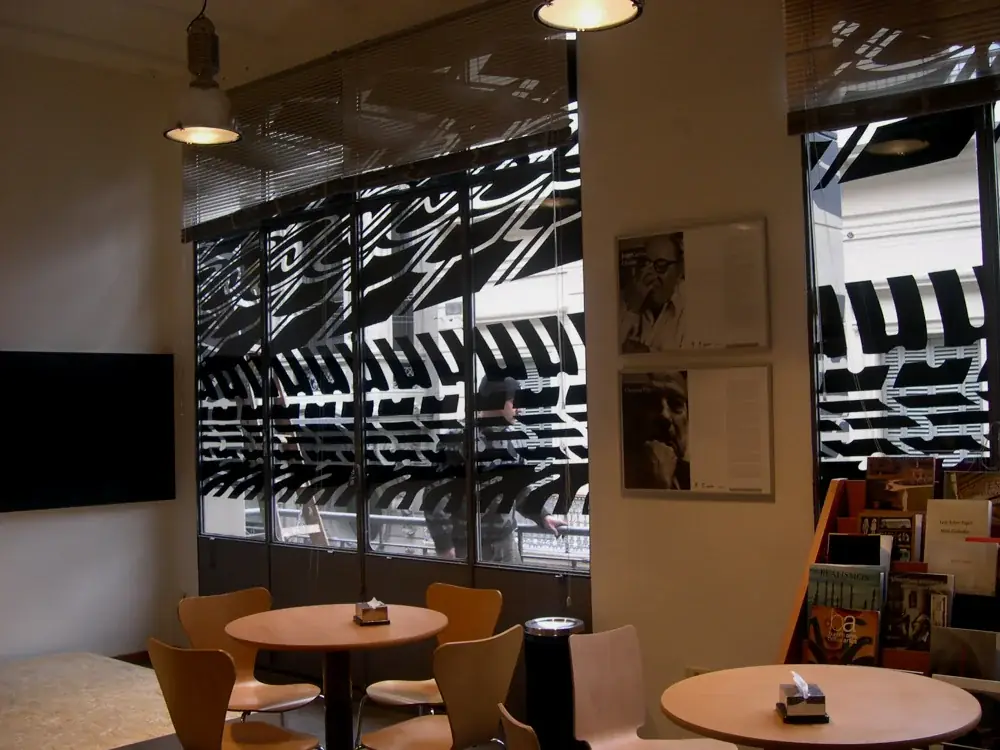
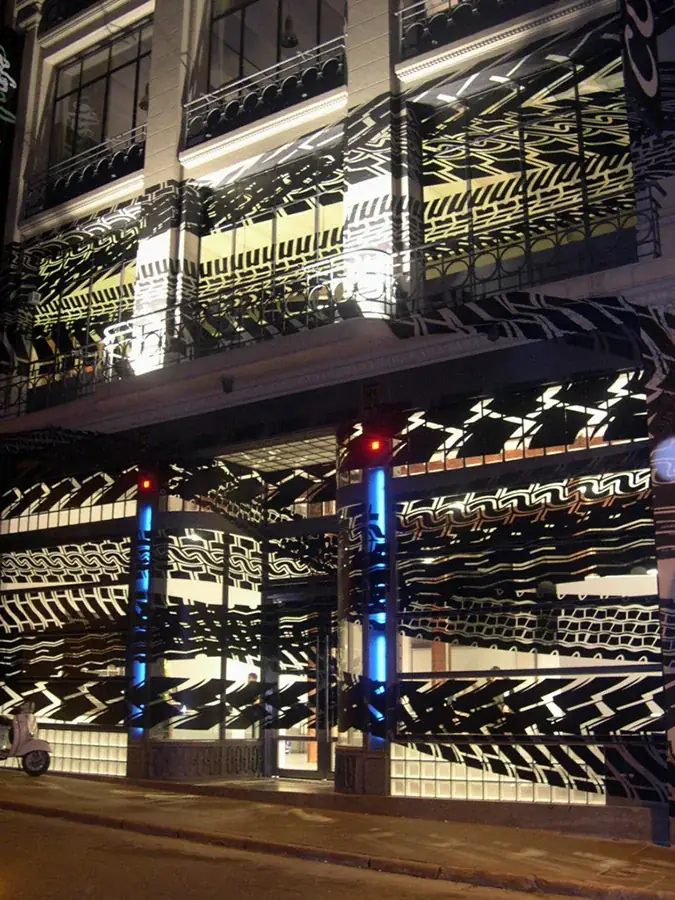
Centro Cultural España, Montevideo, Uruguay Photo: Regina Silveira
1 of 7
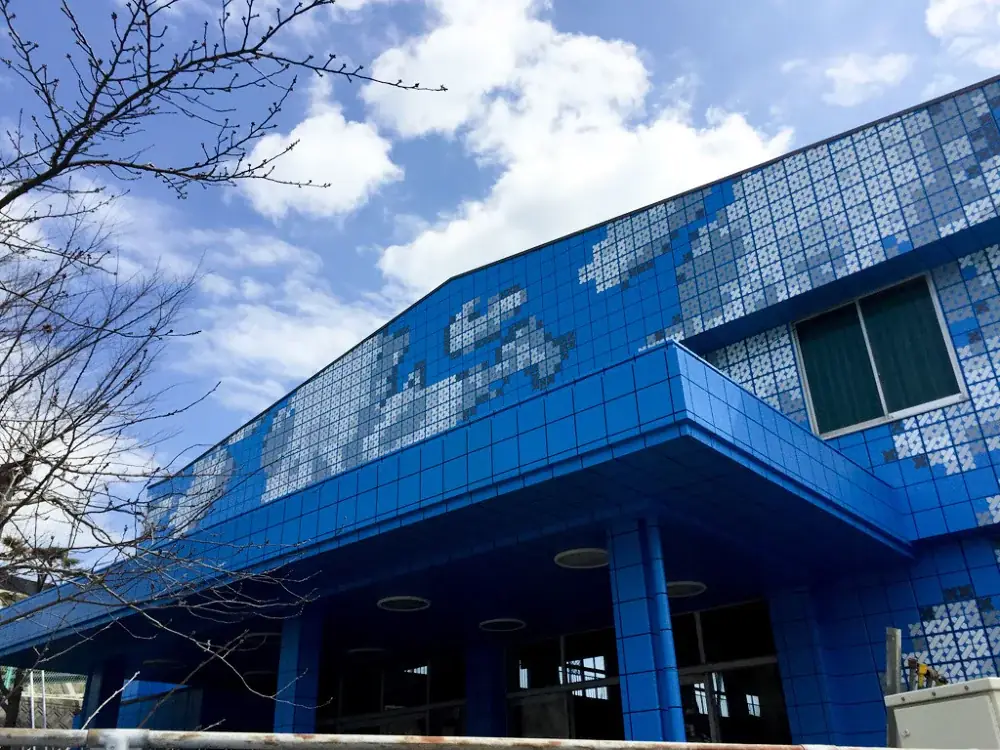
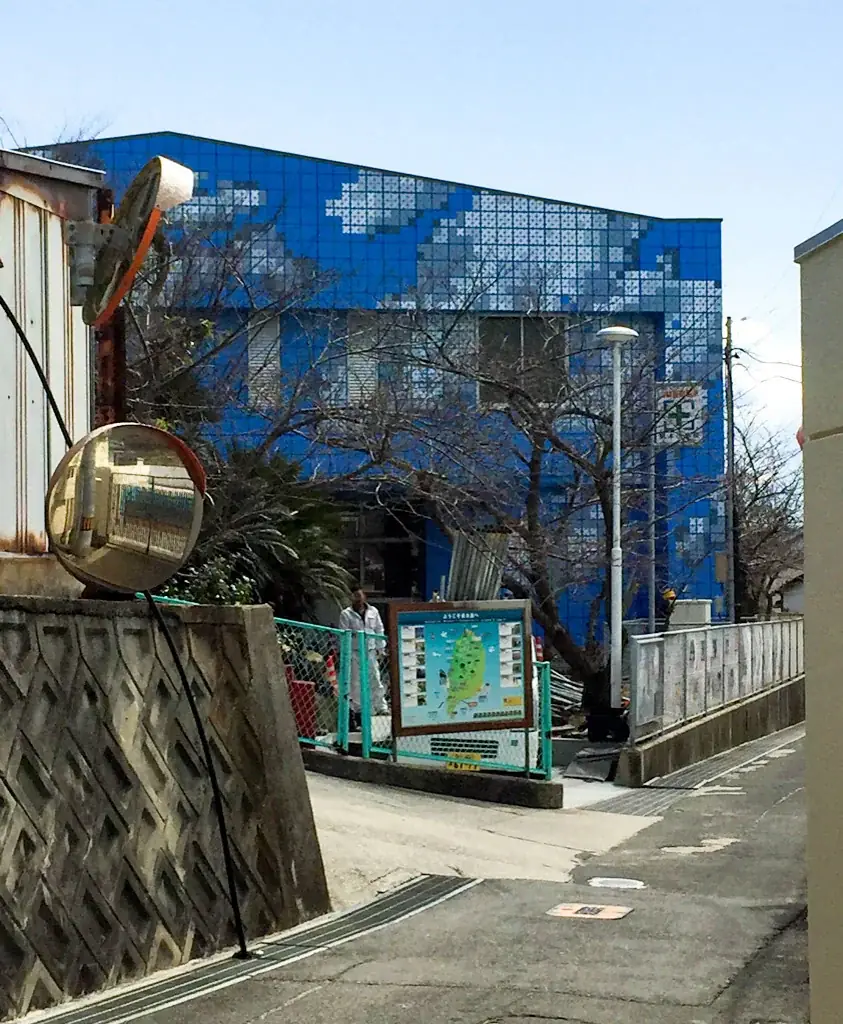
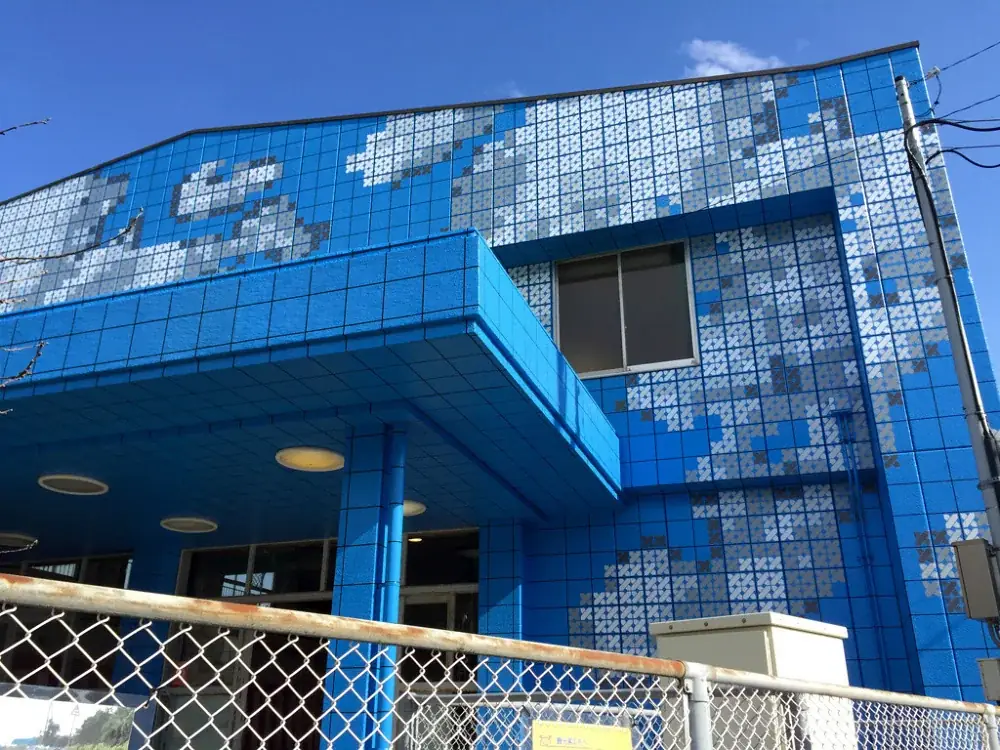
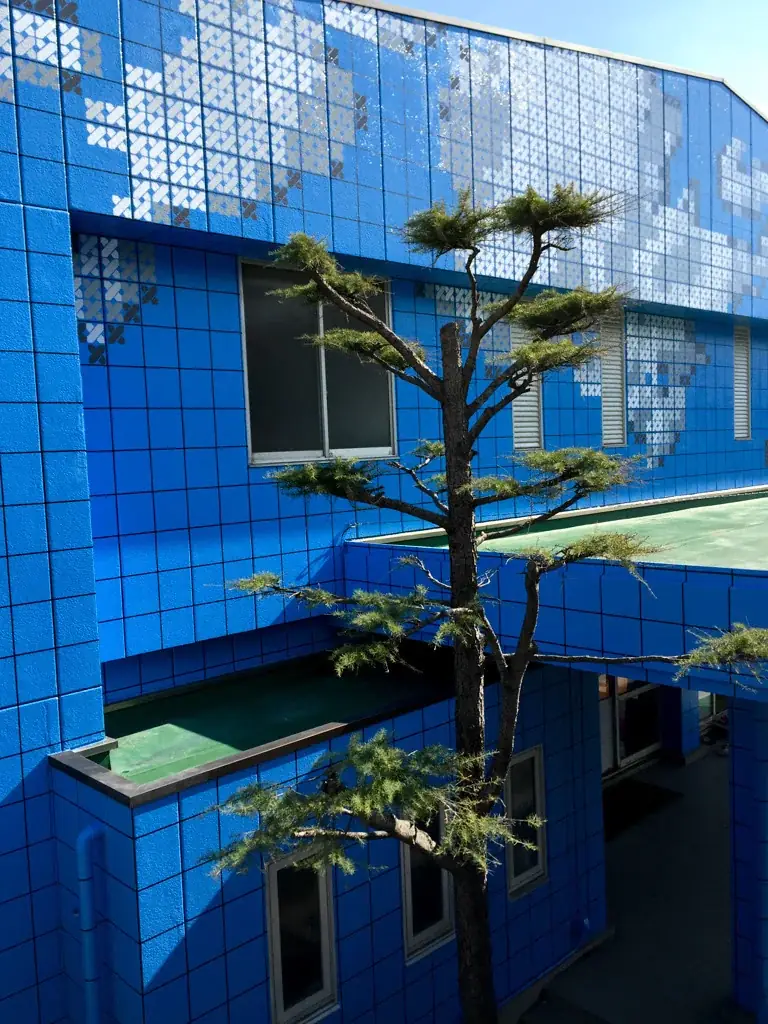
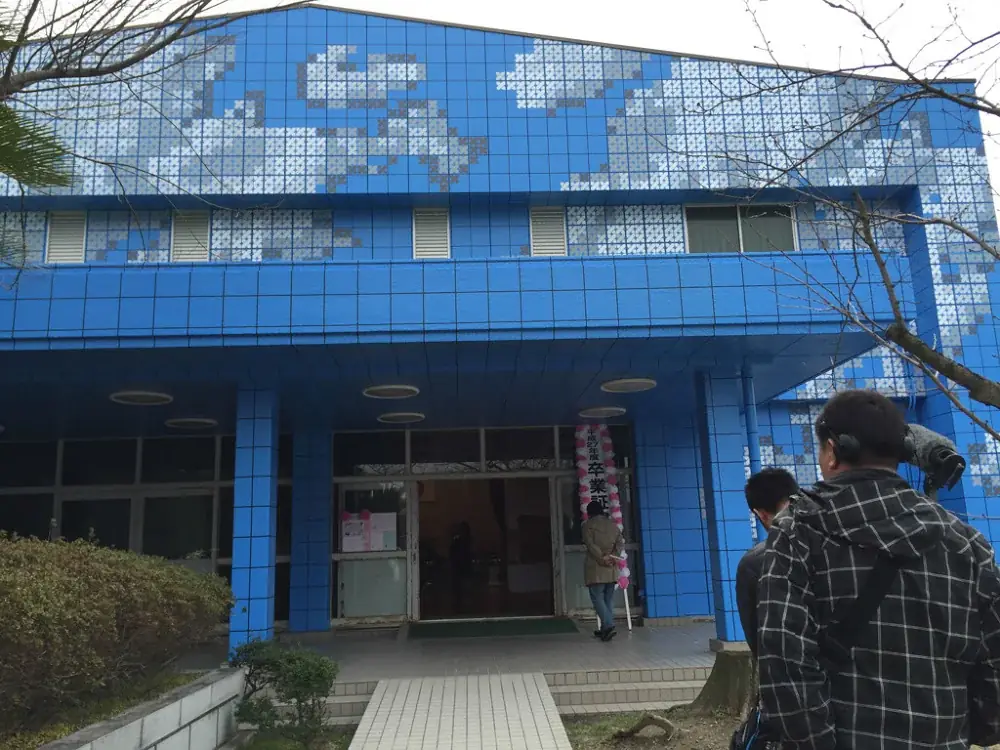
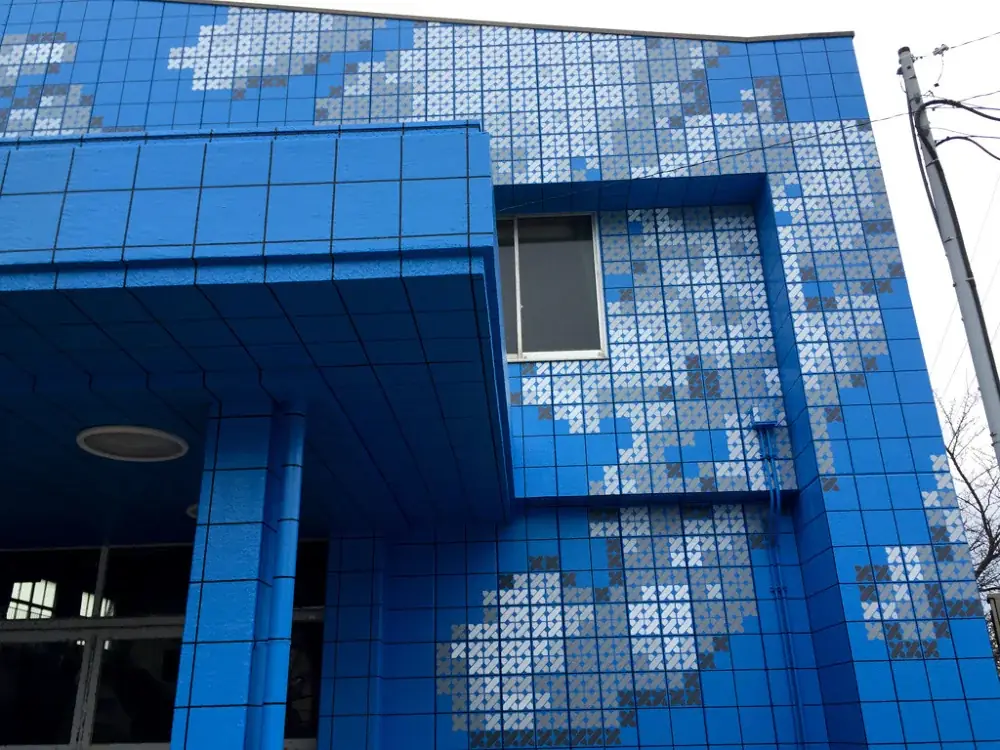
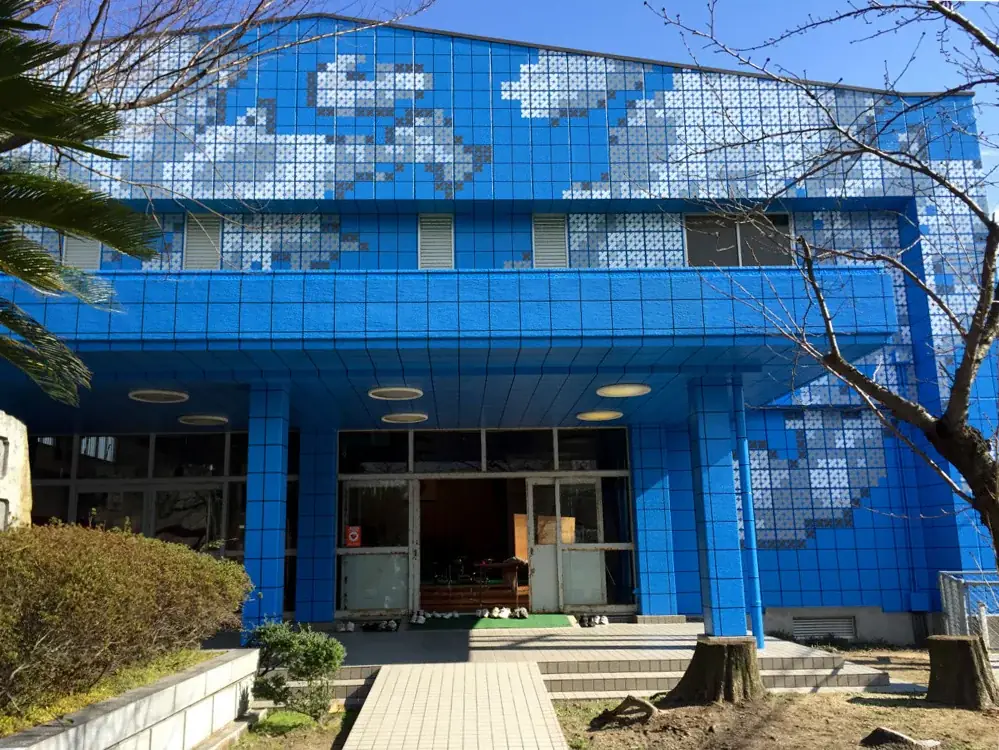
Setouchi Triennale, Ogijima, Japan
1 of 3
Praça Ana dos Santos Figueiredo, São Paulo, Brasil
1 of 7
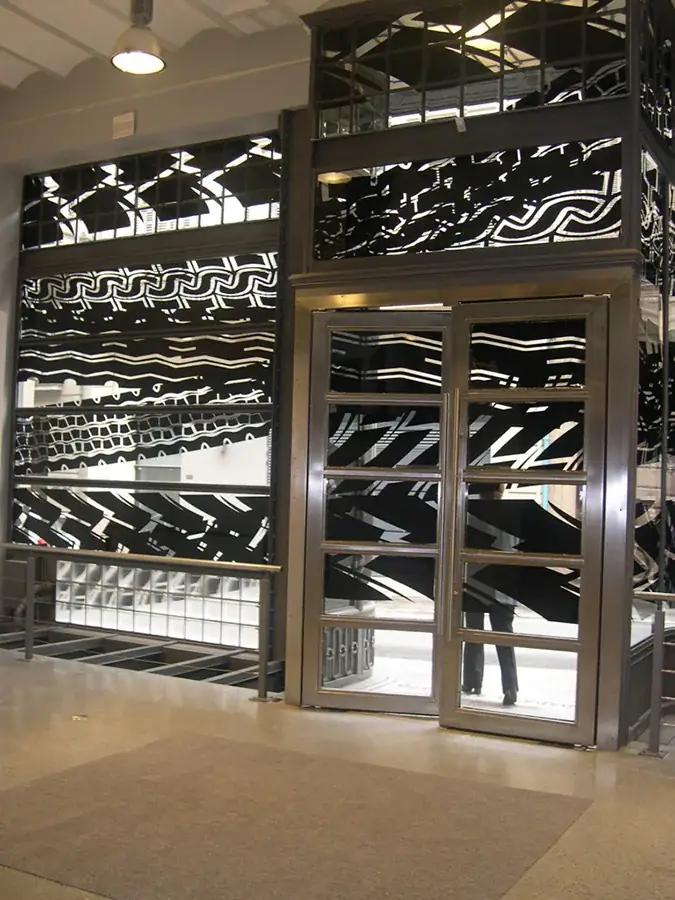
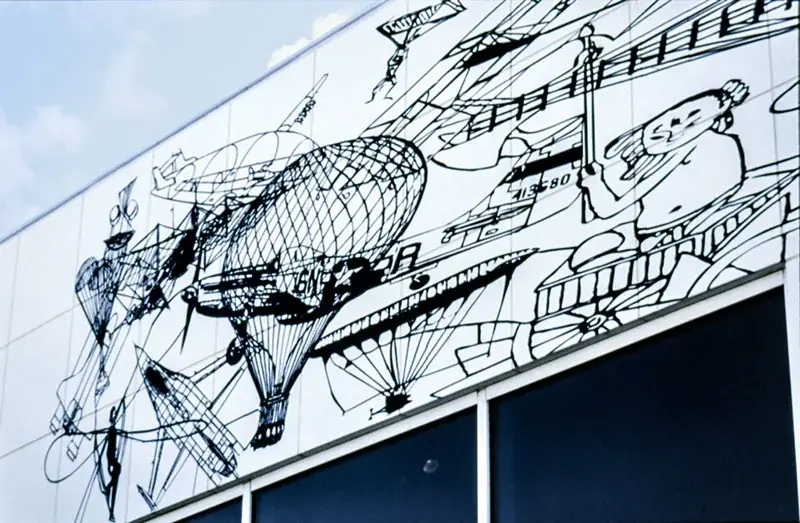
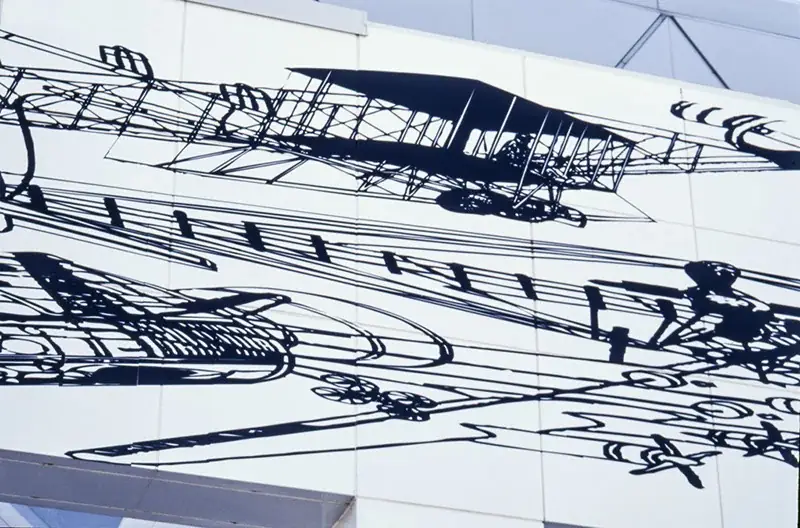
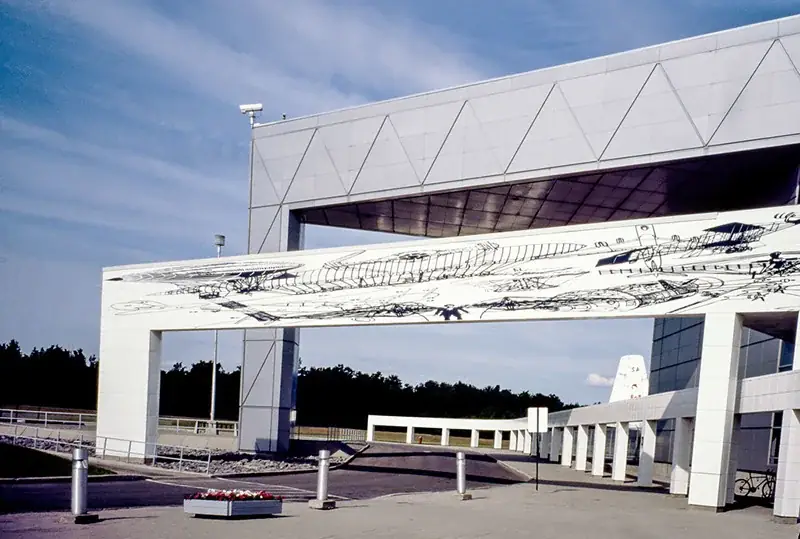
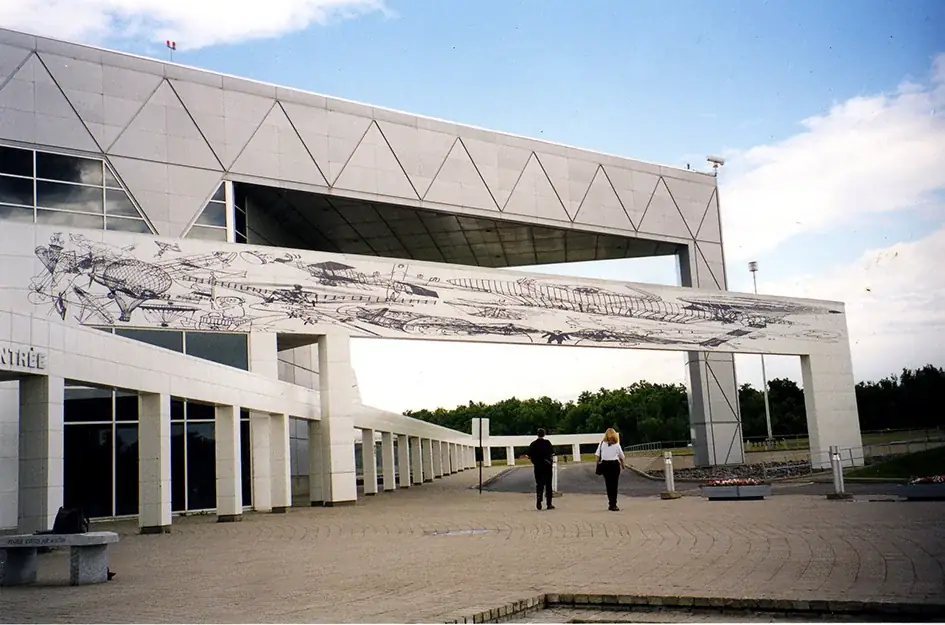
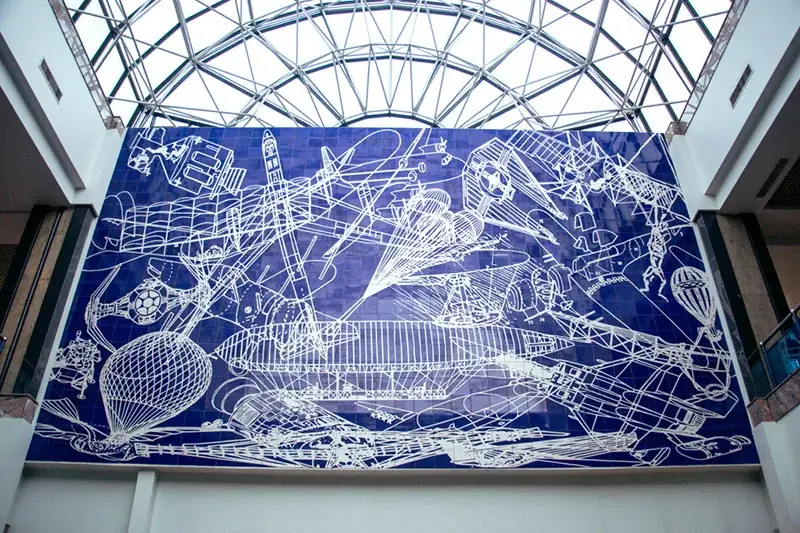
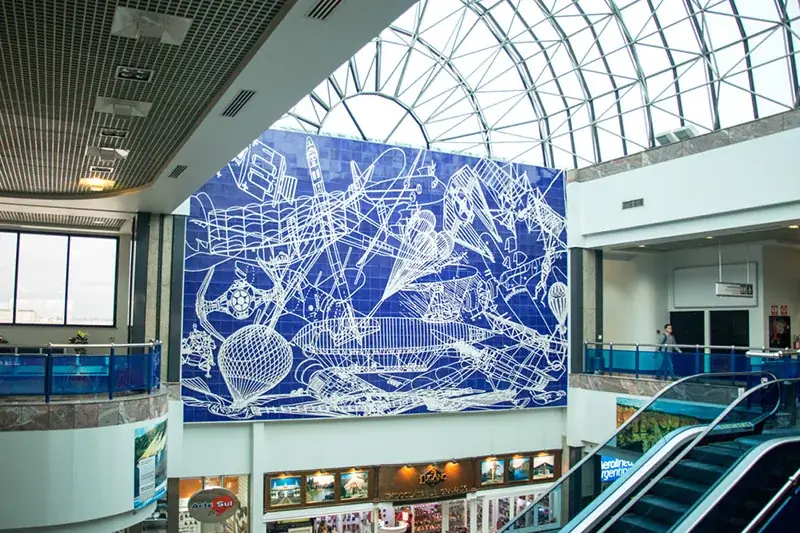
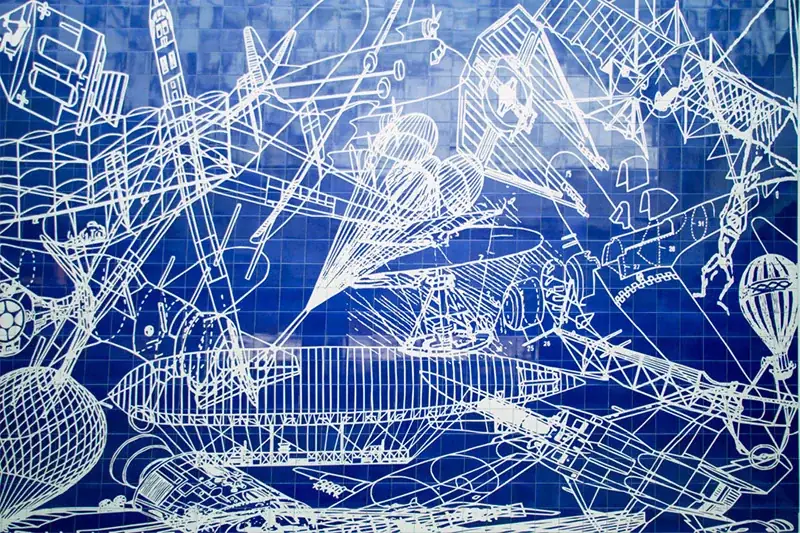
2000 National Aviation Museum. Ottawa, Canada
1 of 4
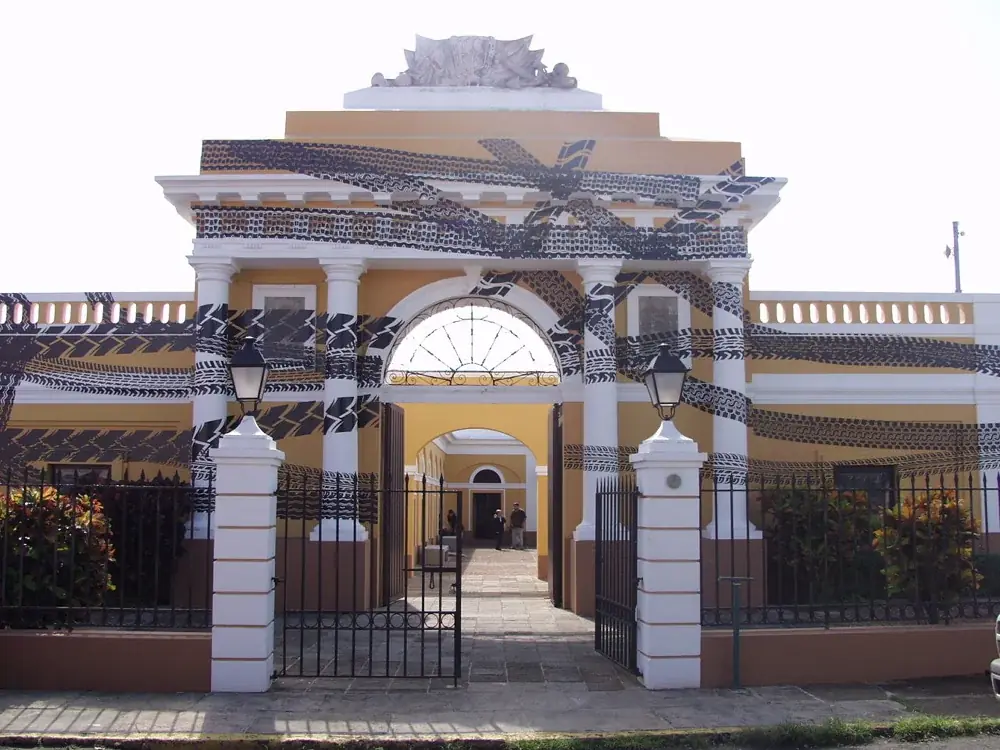
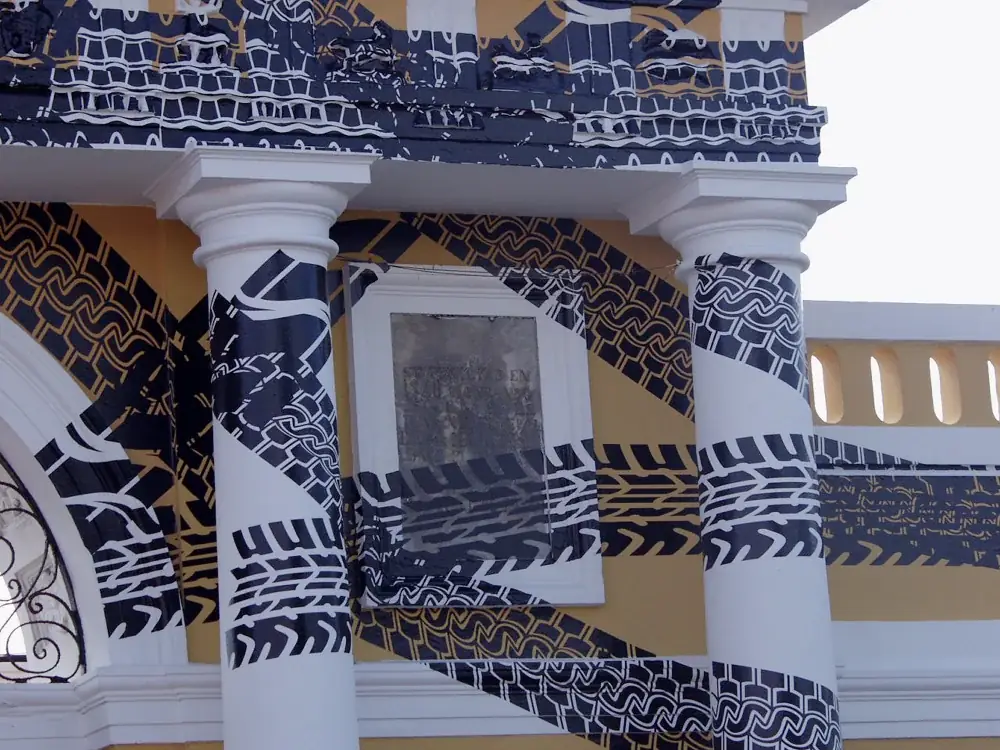
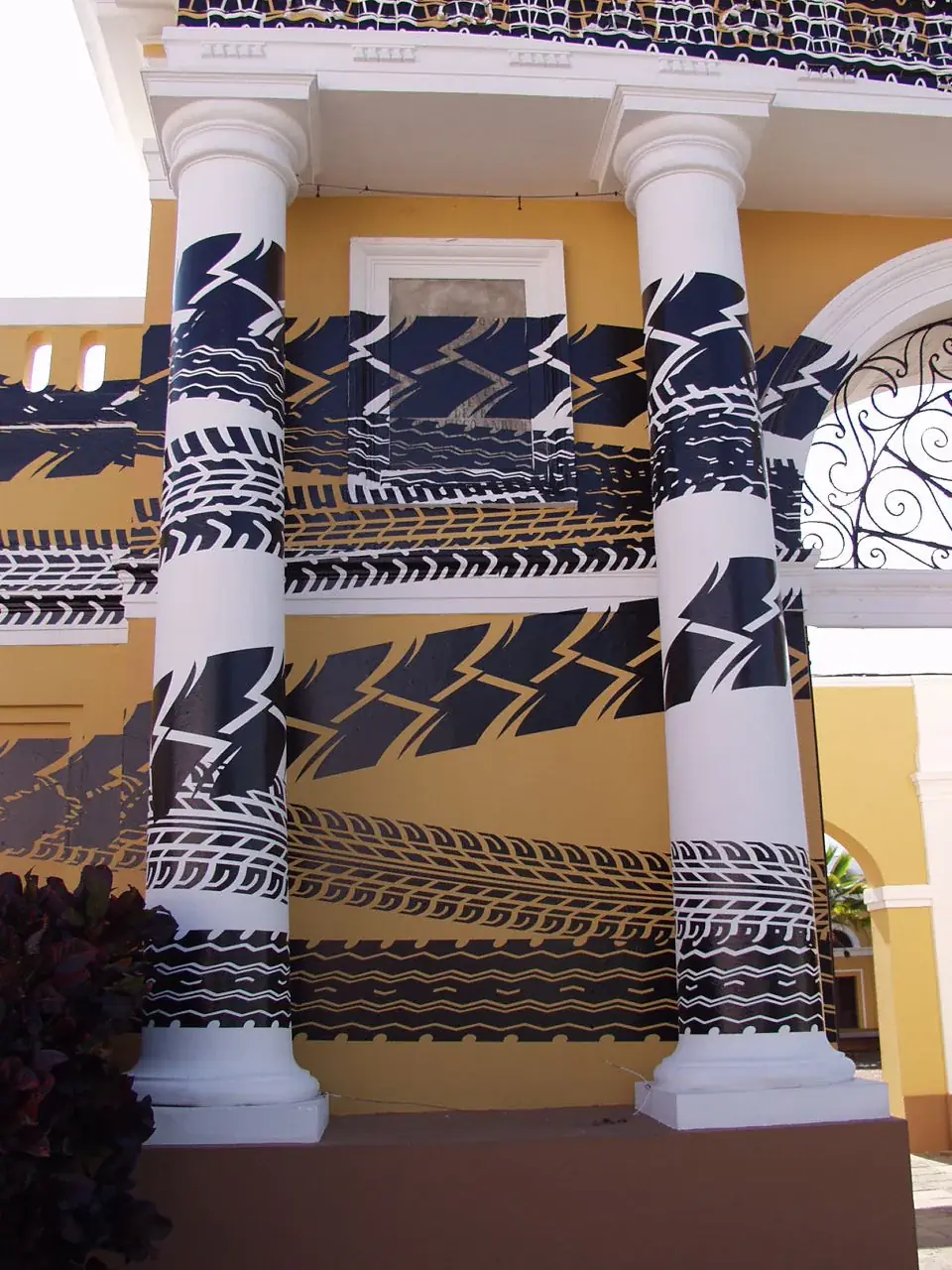
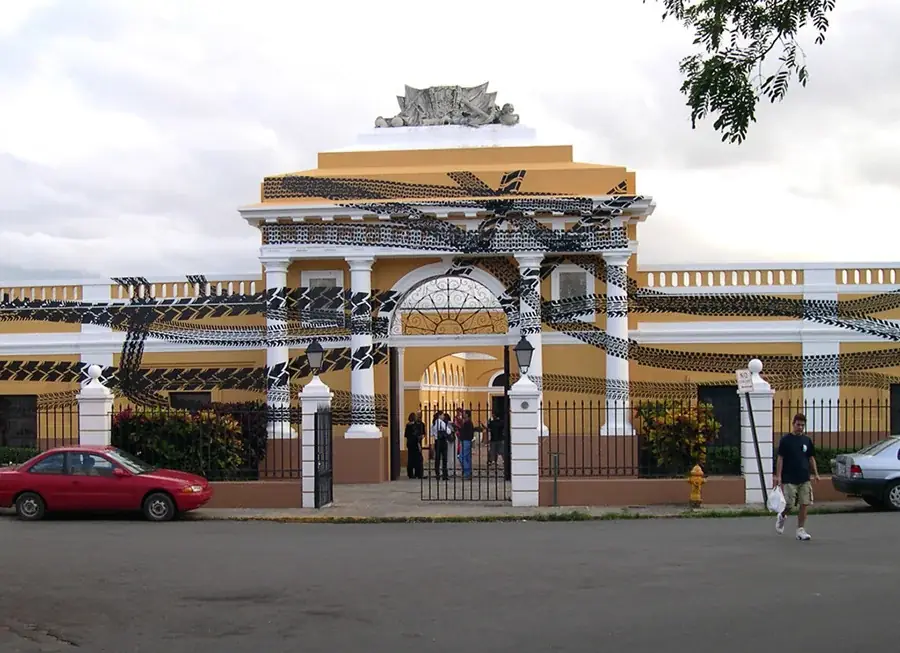
2004 Arsenal, Trienal Poligráfica, San Juan, Porto Rico 228m2 Photo: Rebeca Noriega
1 of 5
2019 Shopping Cidade Jardim, São Paulo, SP Vinil adesivo sobre vidro - 200 m de extensão
1 of 11
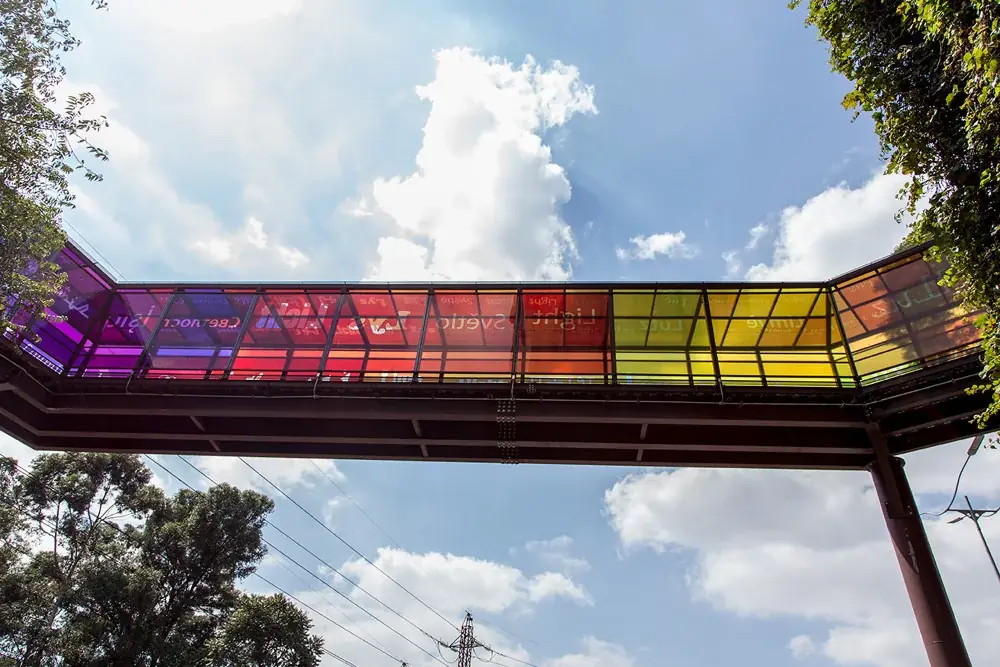
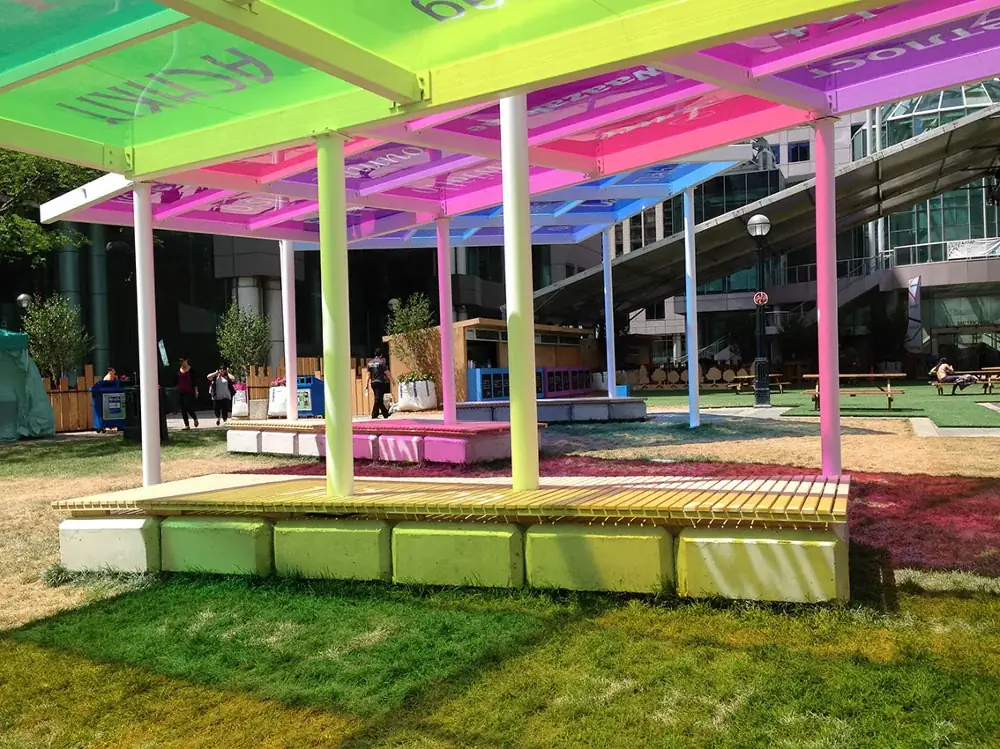
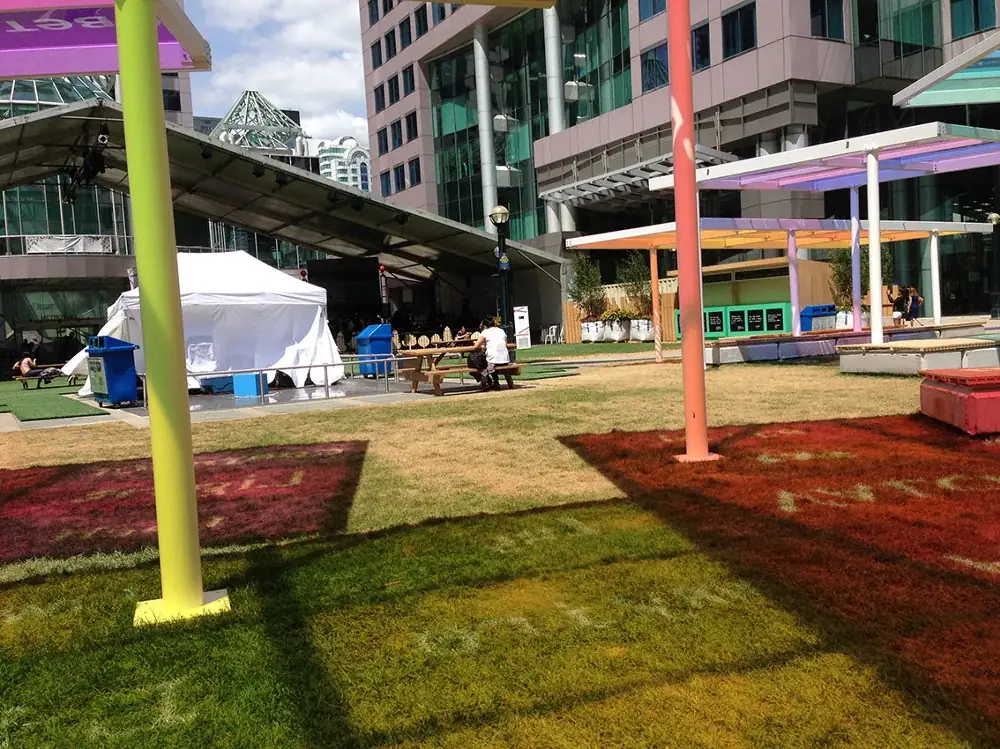
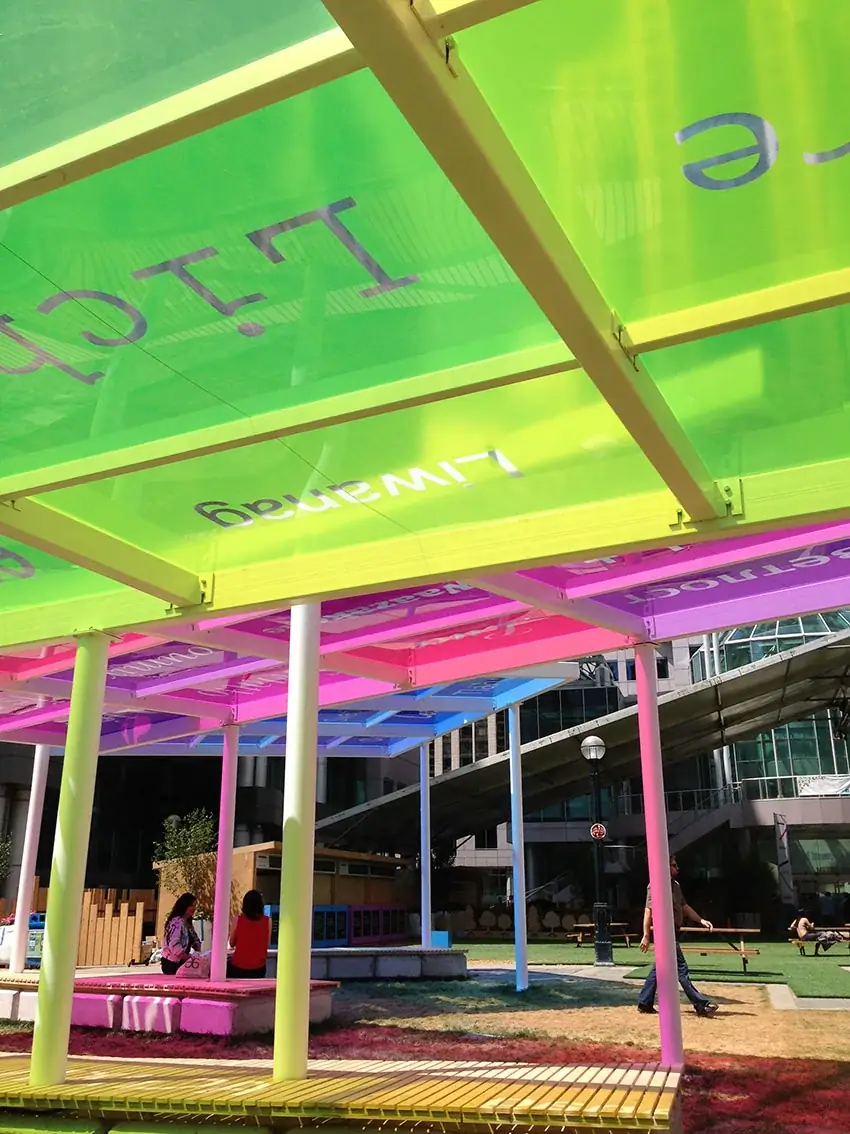
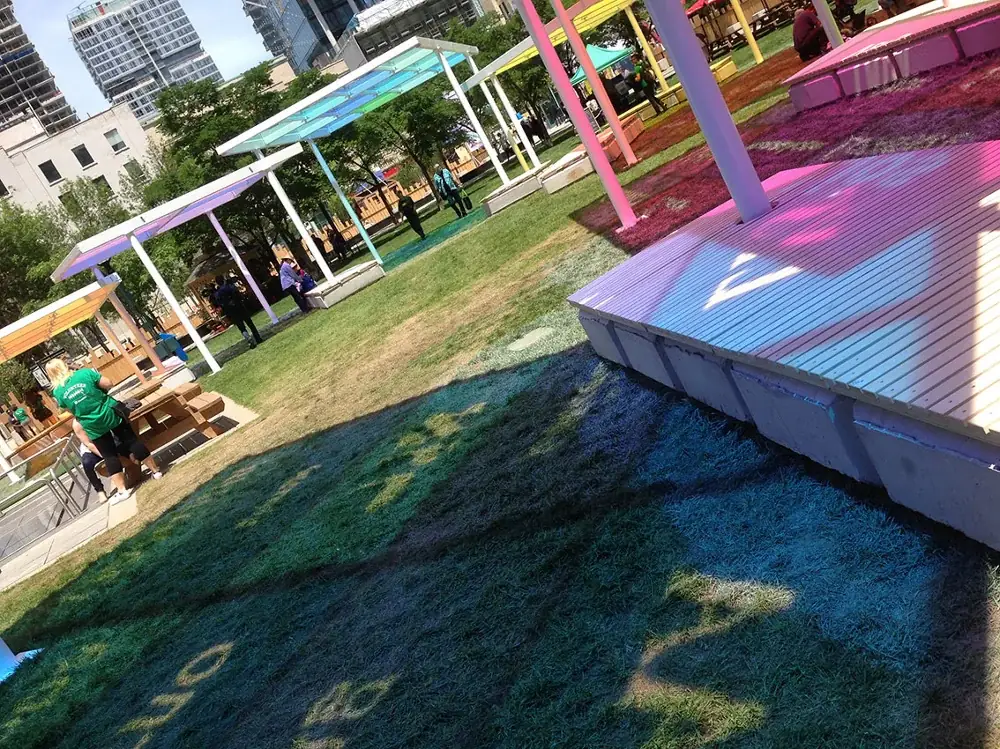
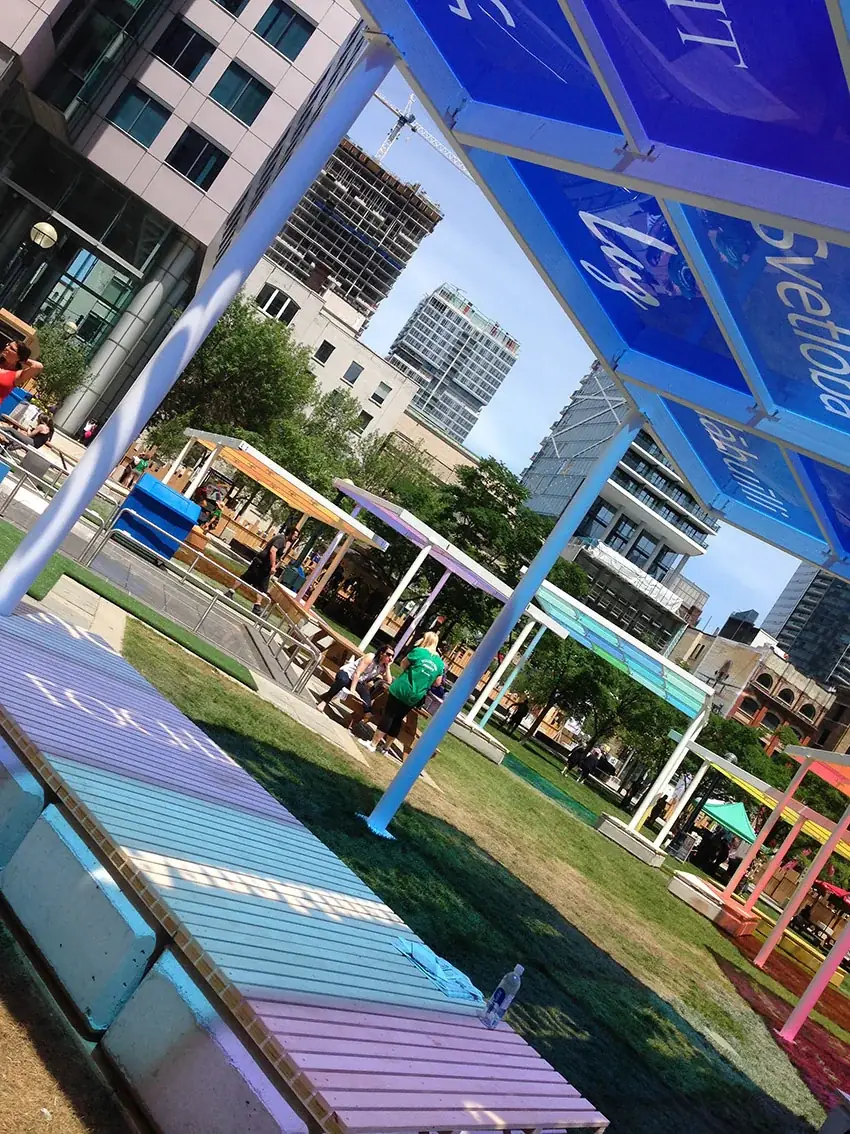
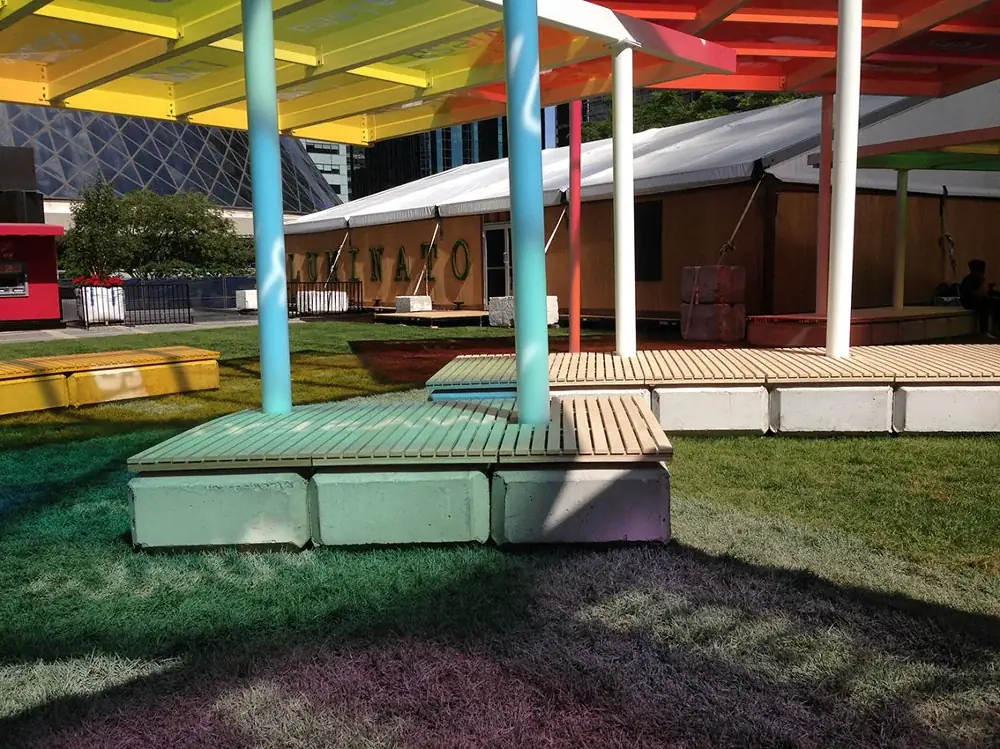
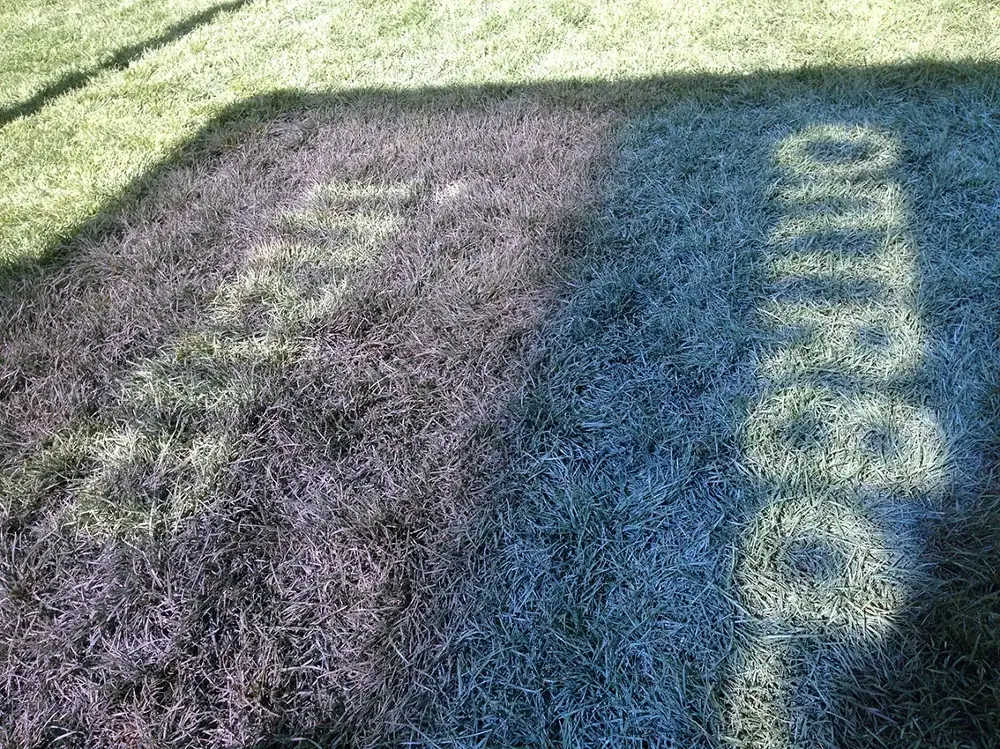
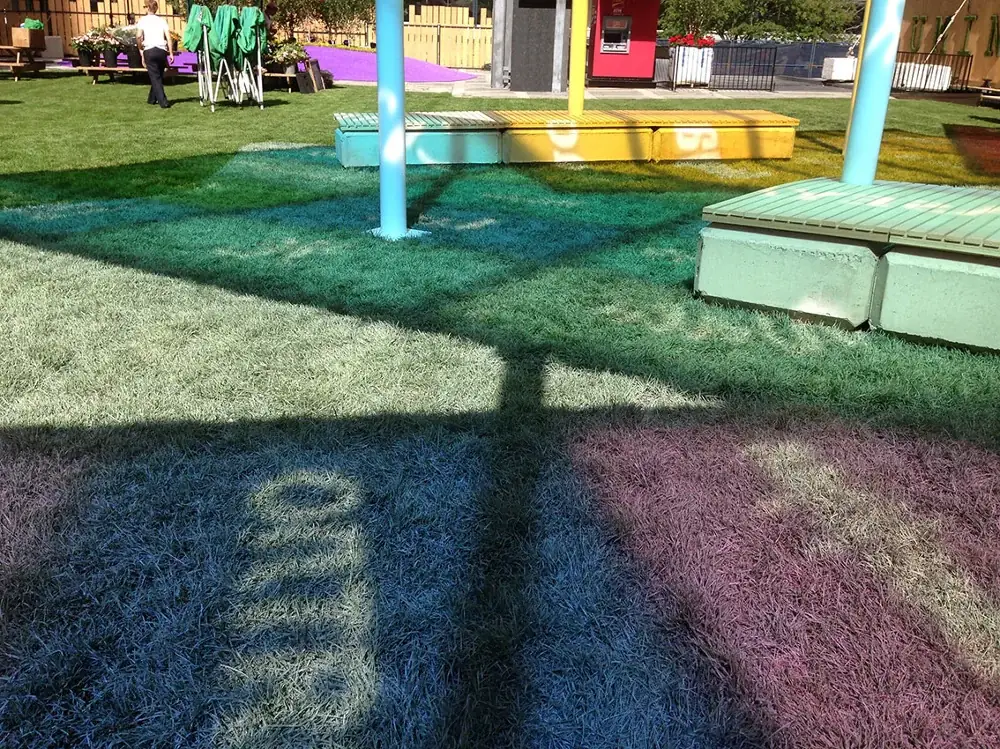
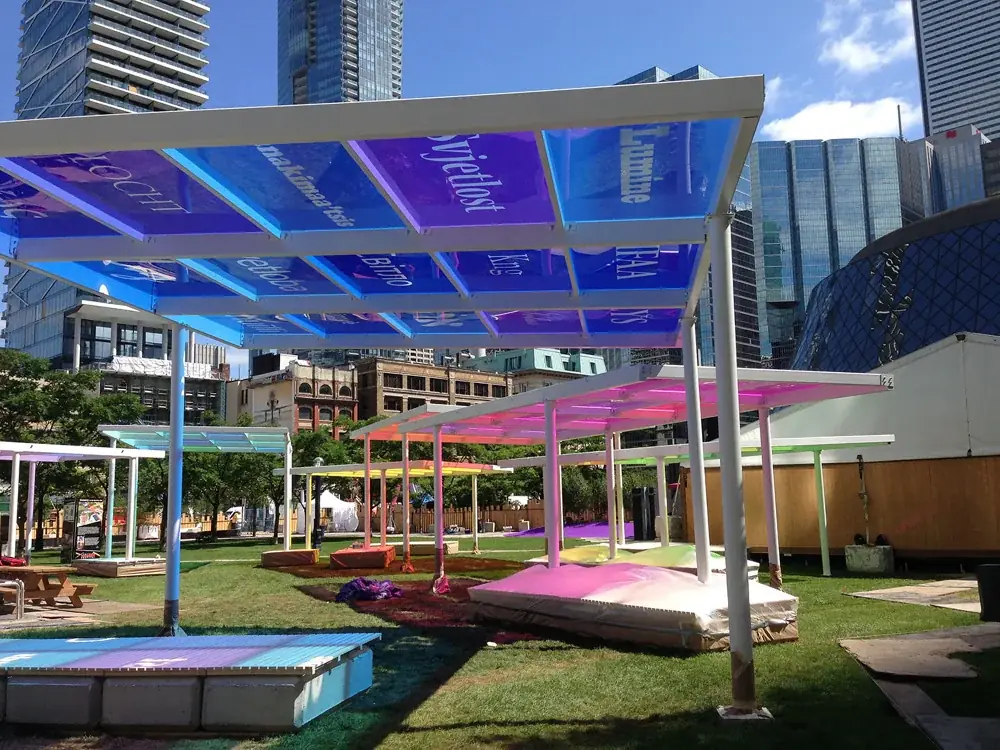
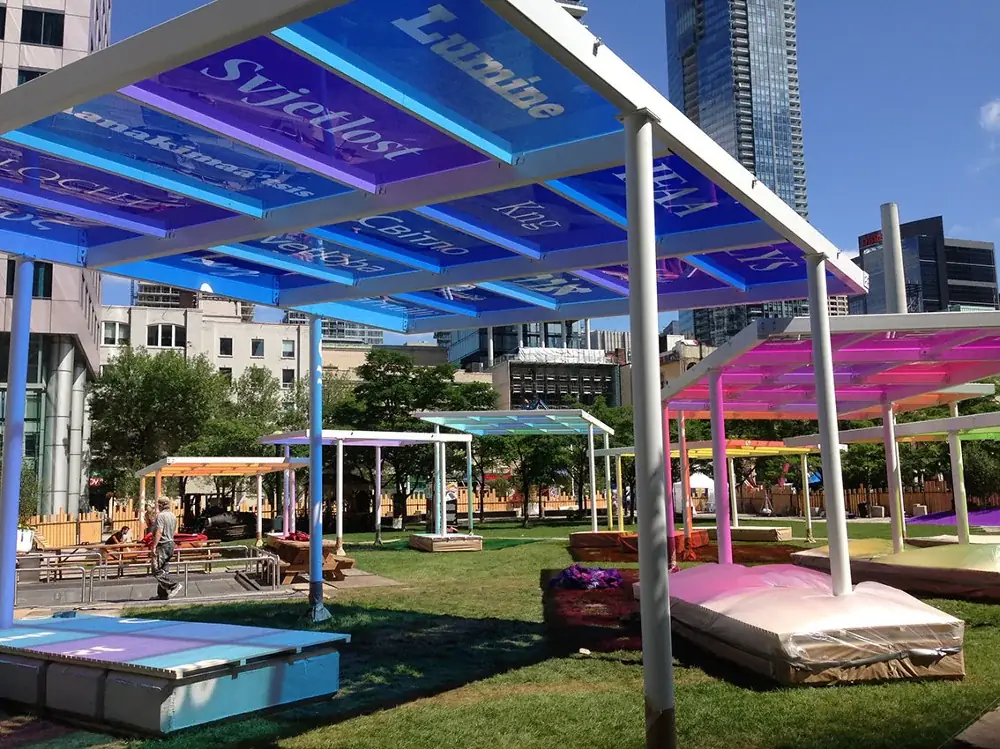
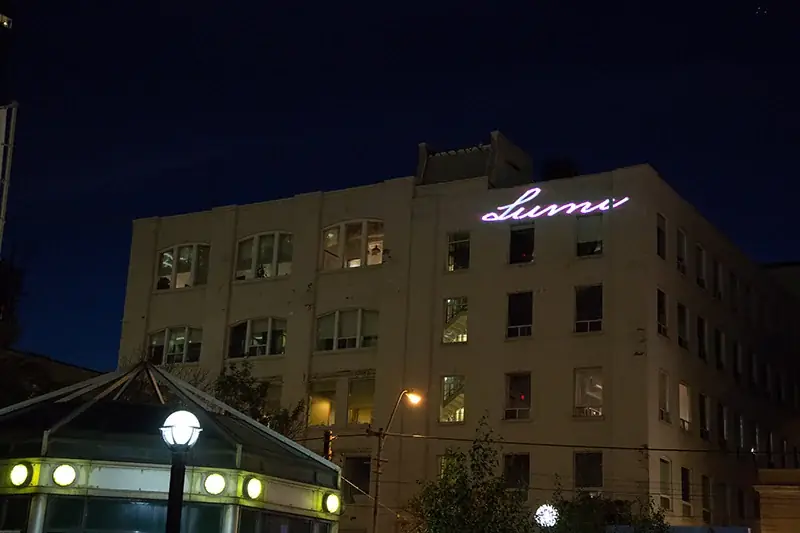
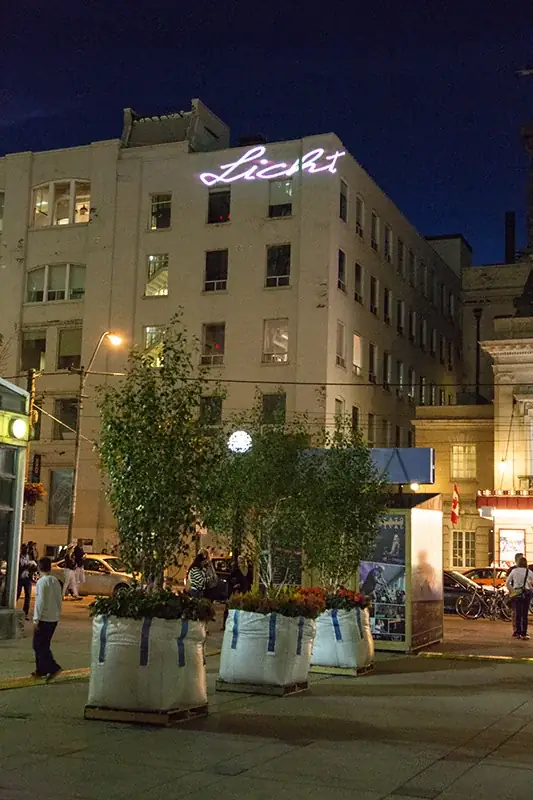
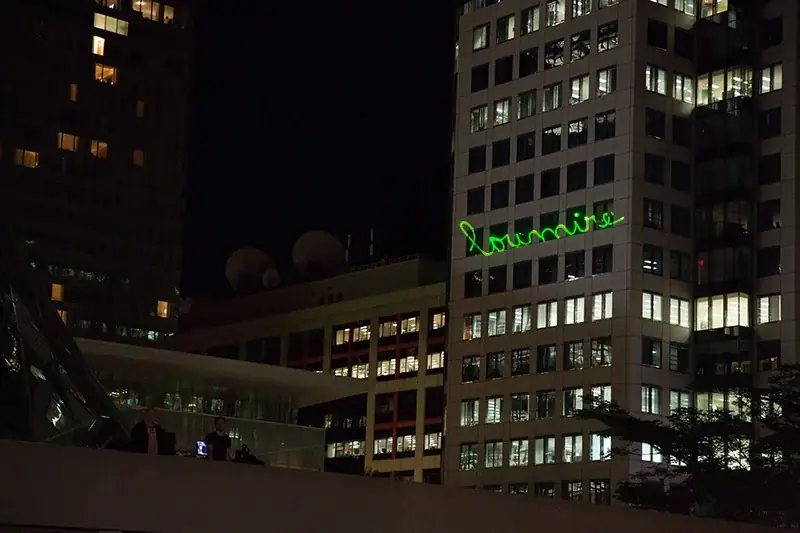
Festival Luminato, David Pecaut Square, Toronto, Canadá.
1 of 4
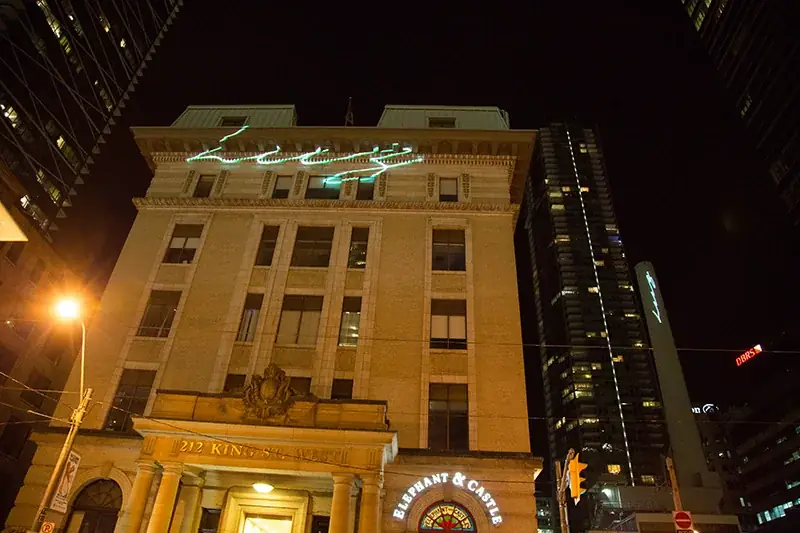
Toronto, Canada
1 of 5
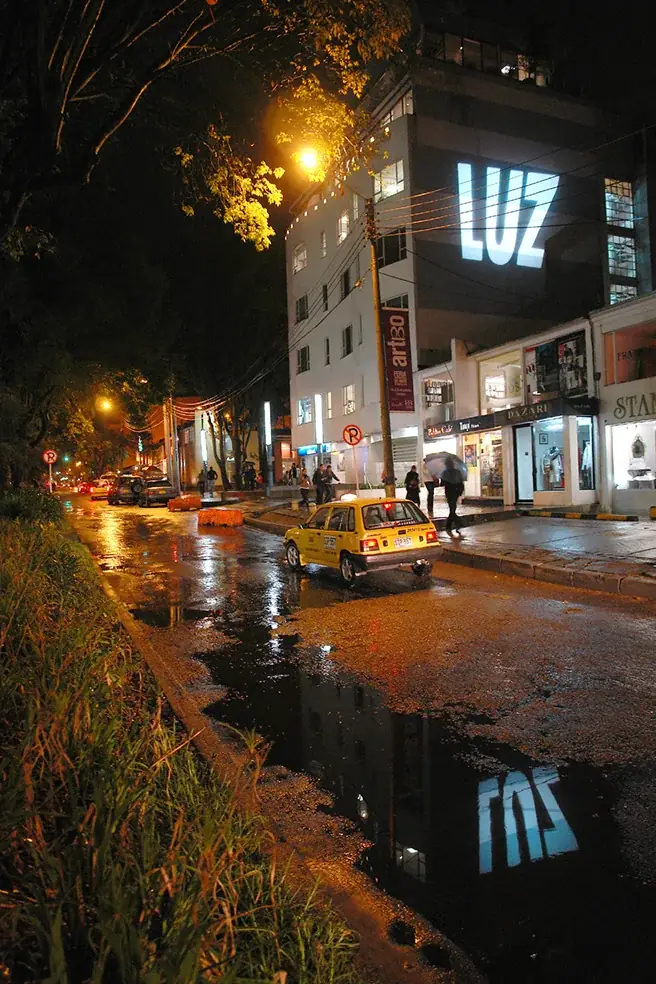
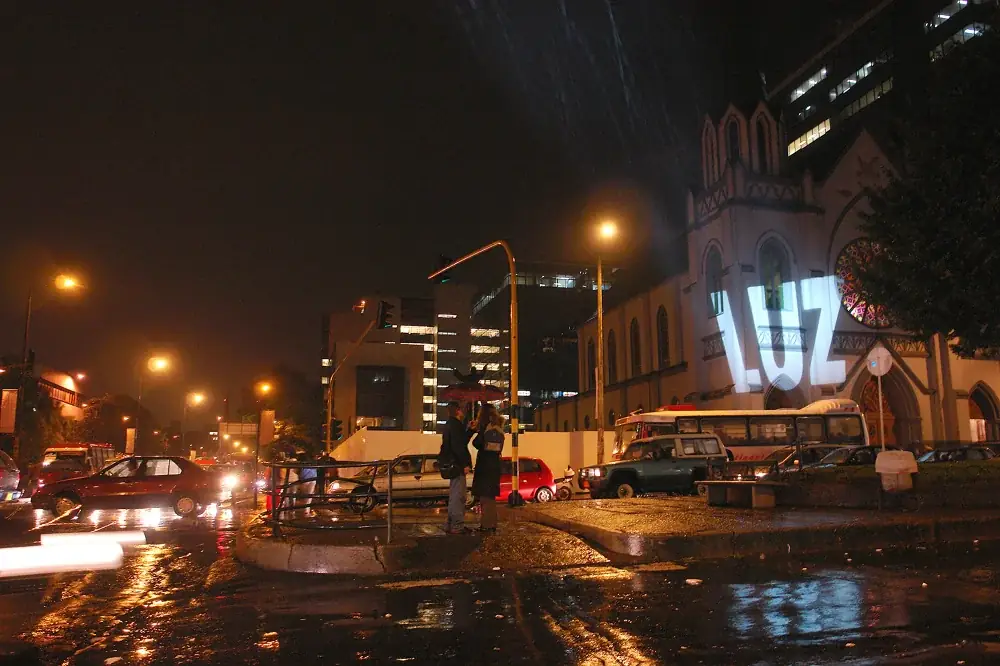
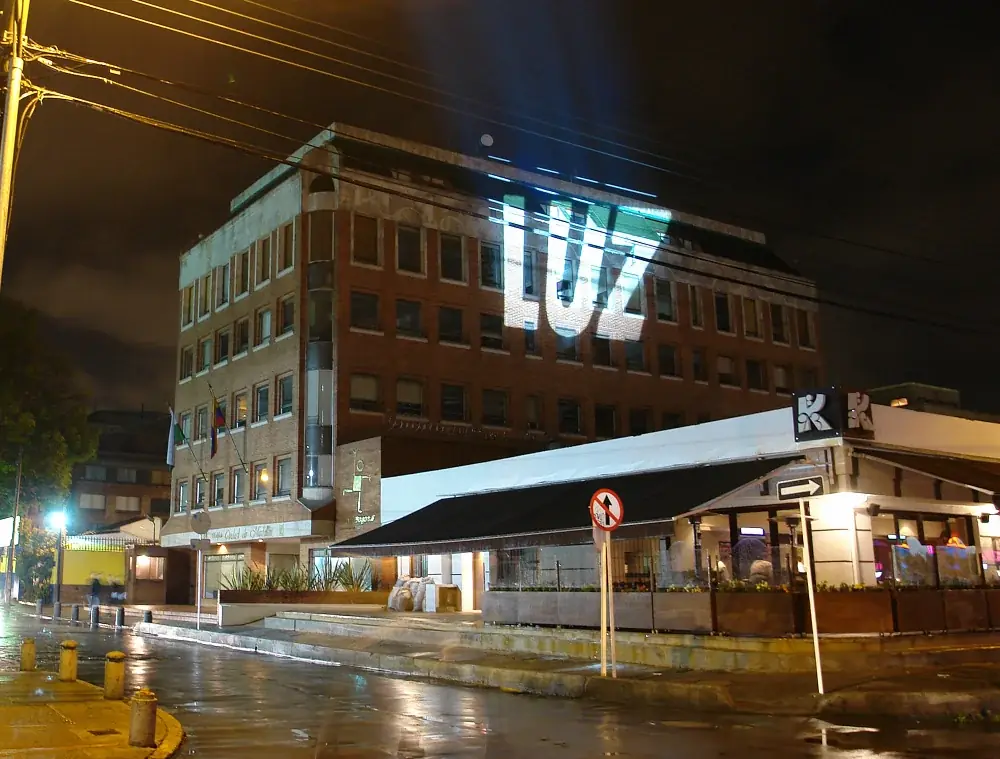
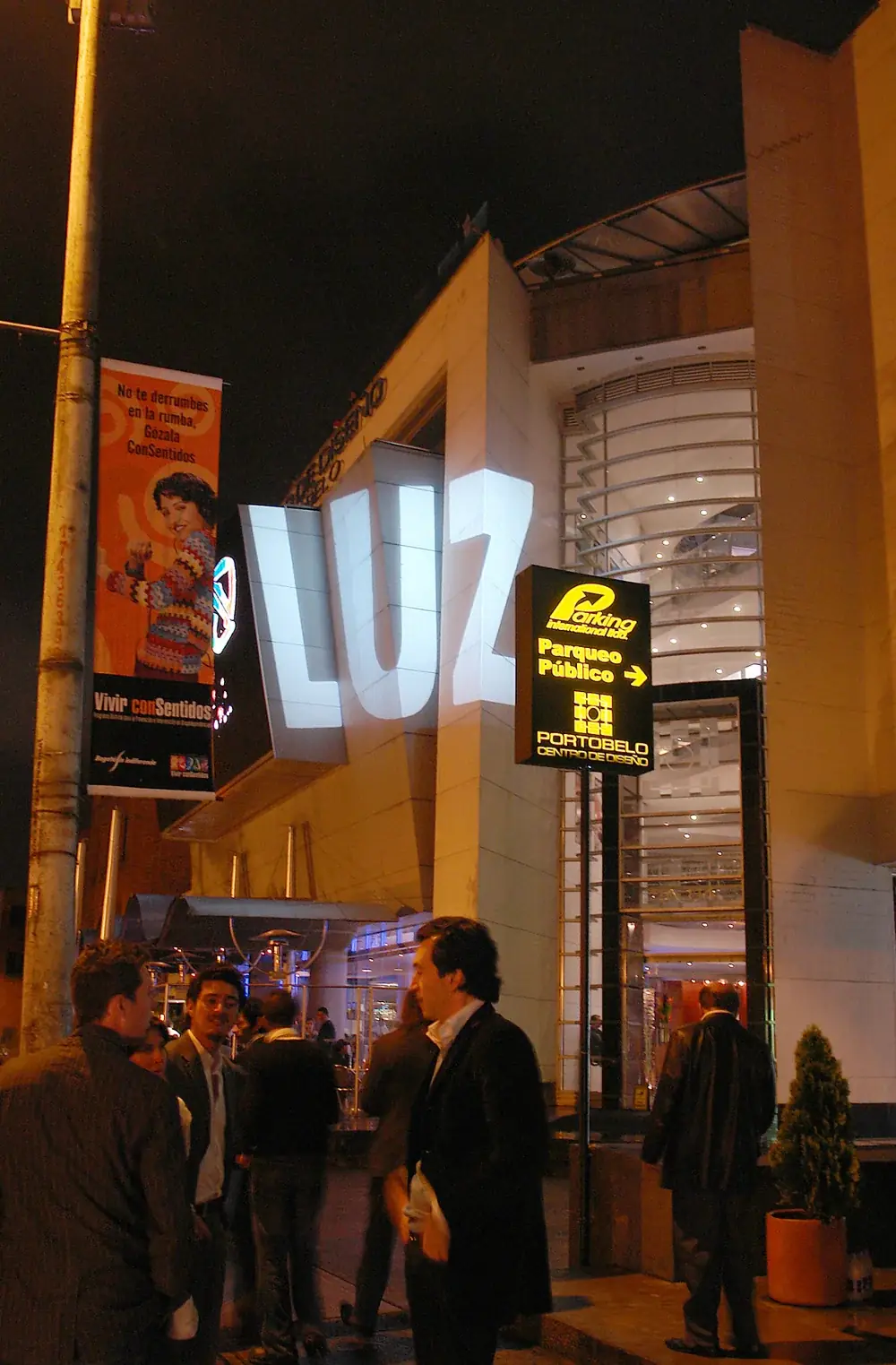
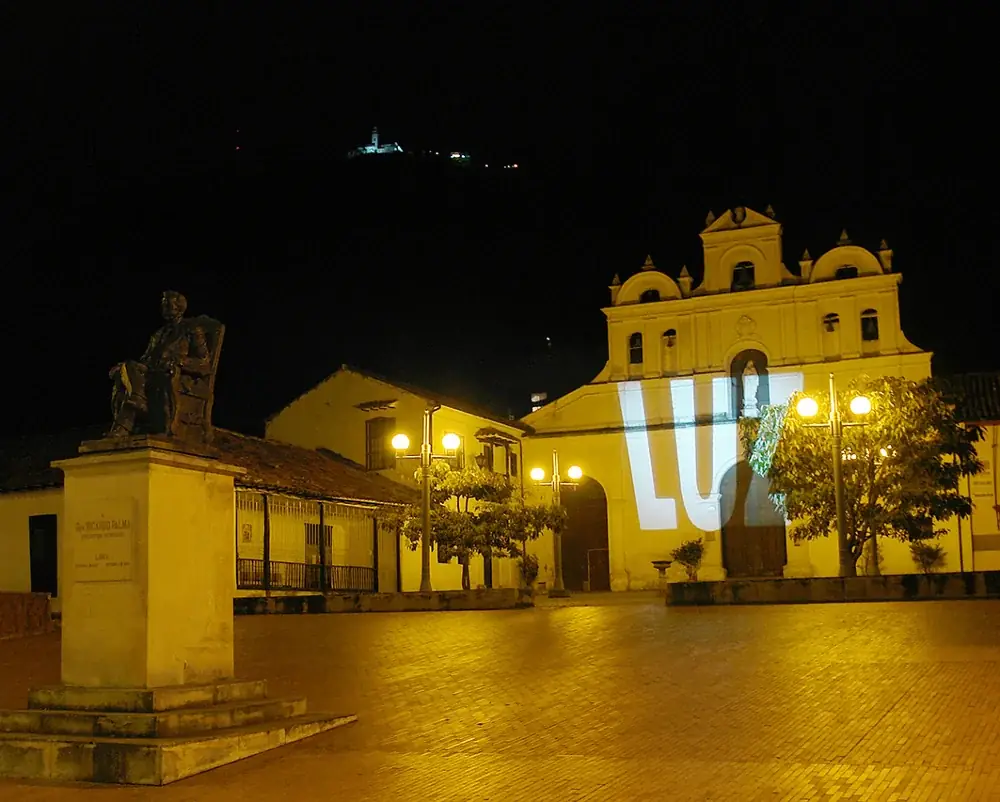
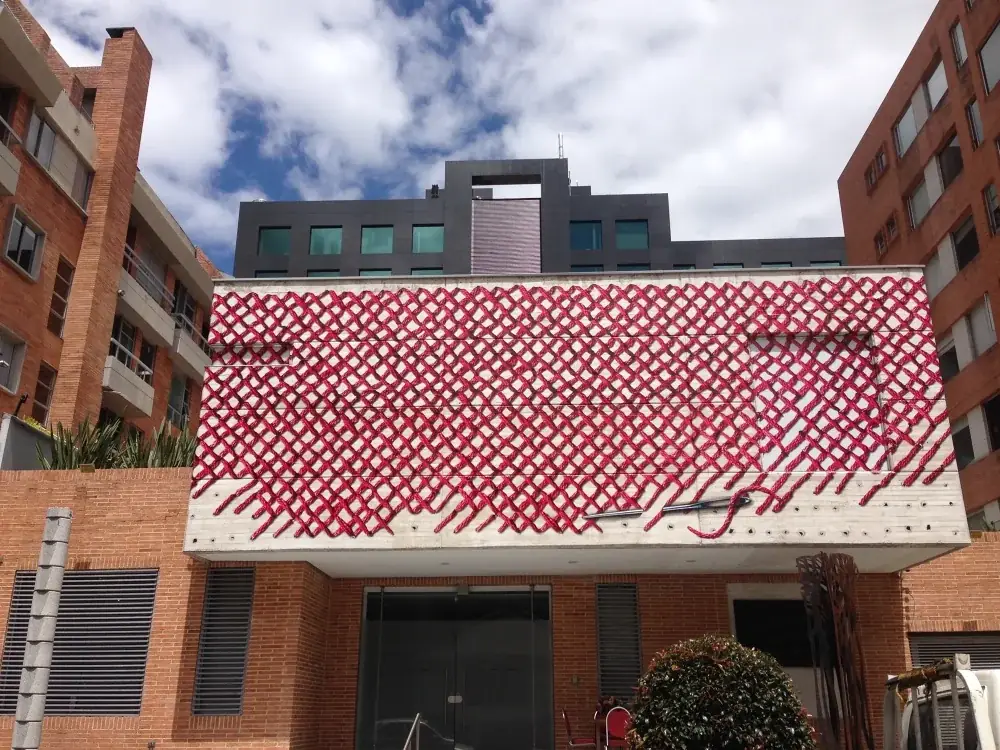
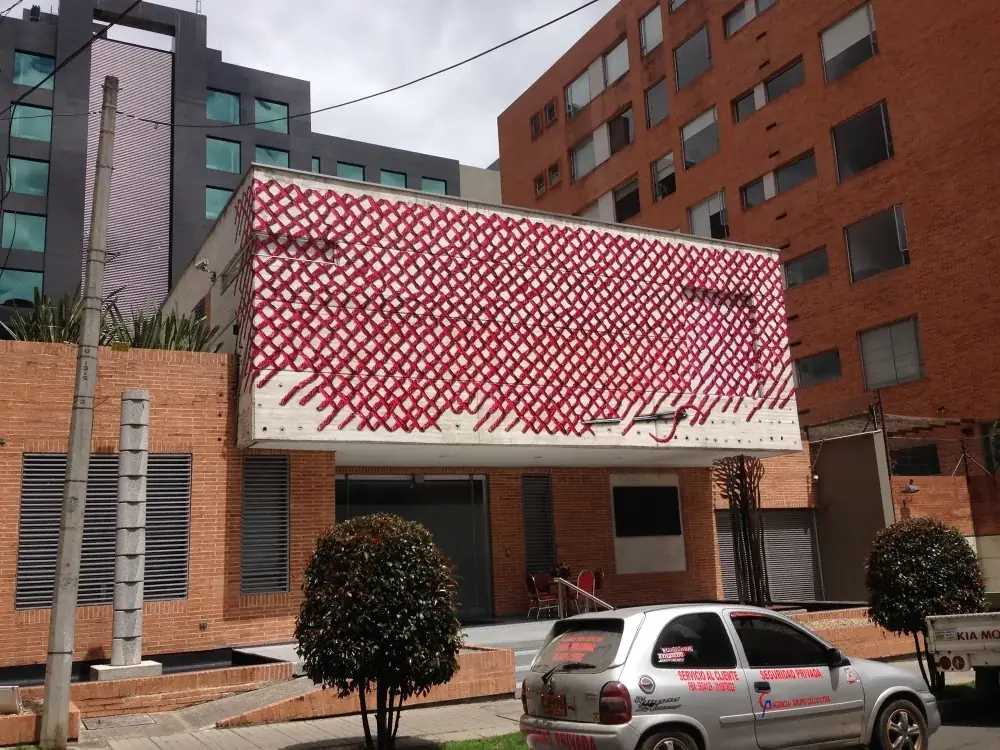
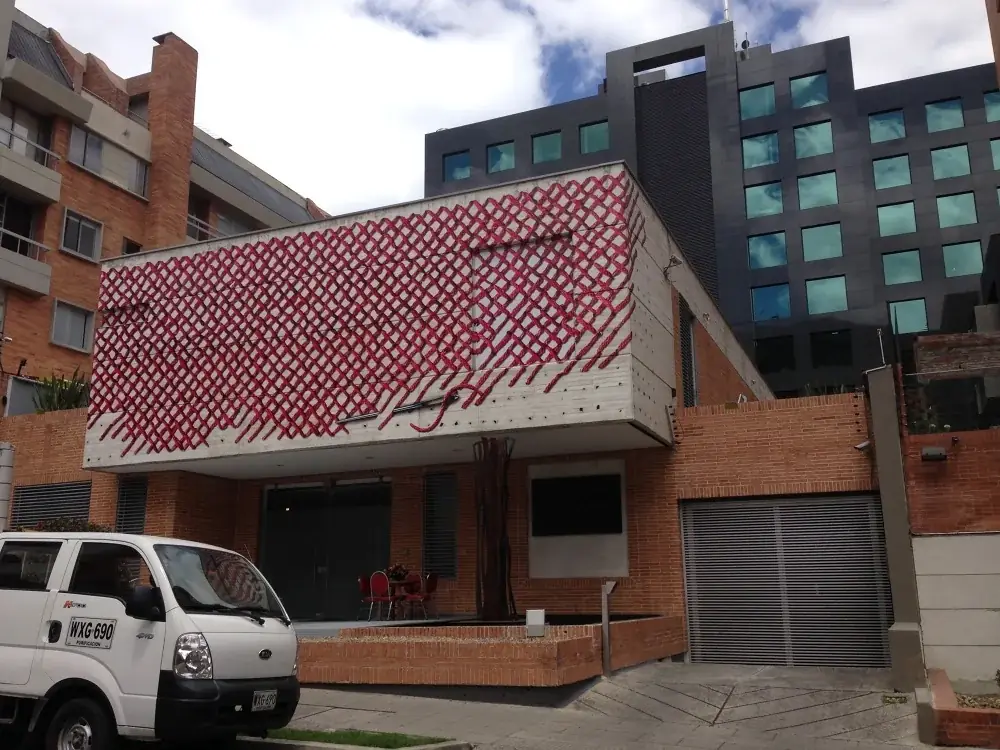
2007 Bogotá, Colombia.
1 of 9
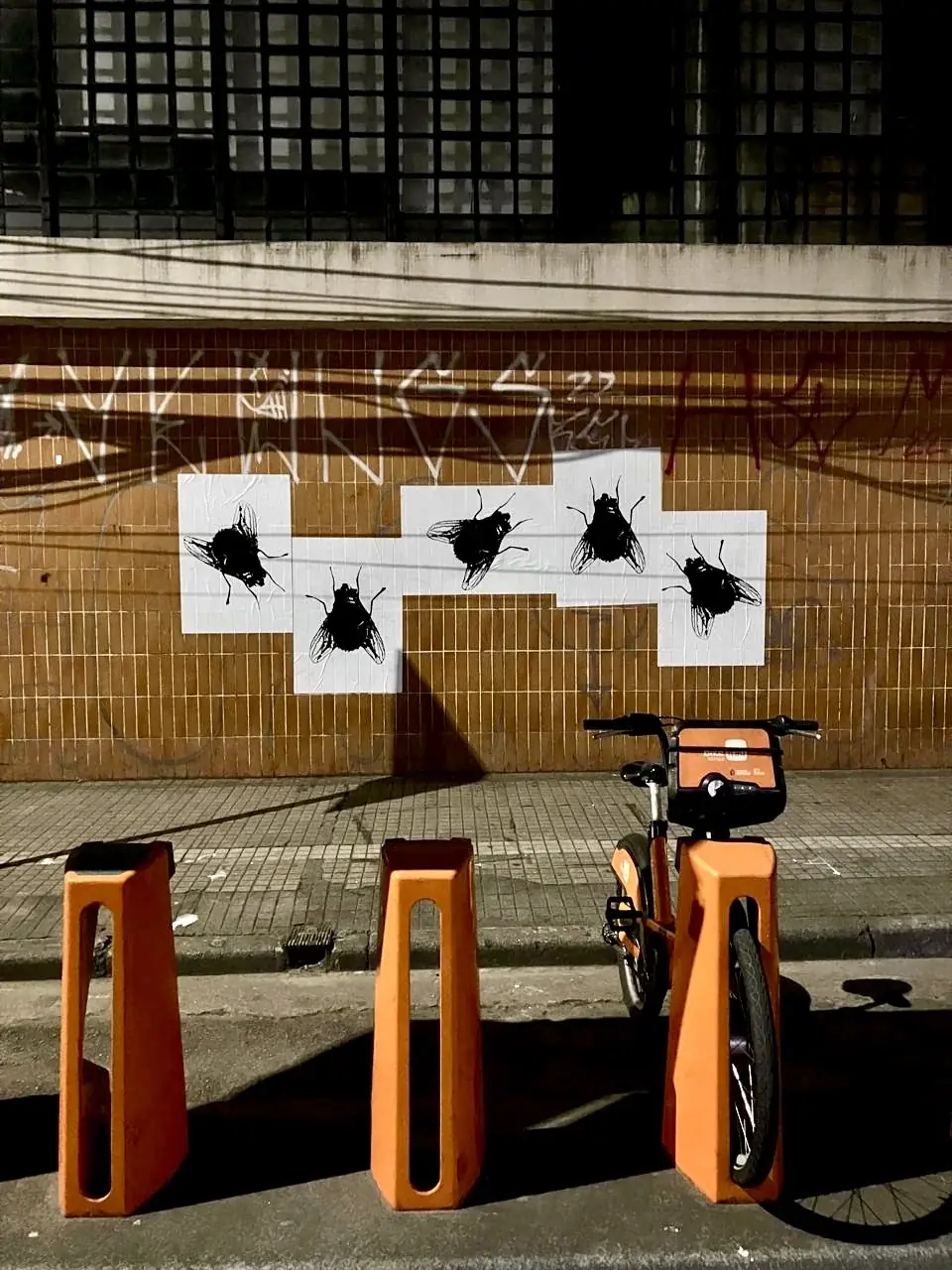
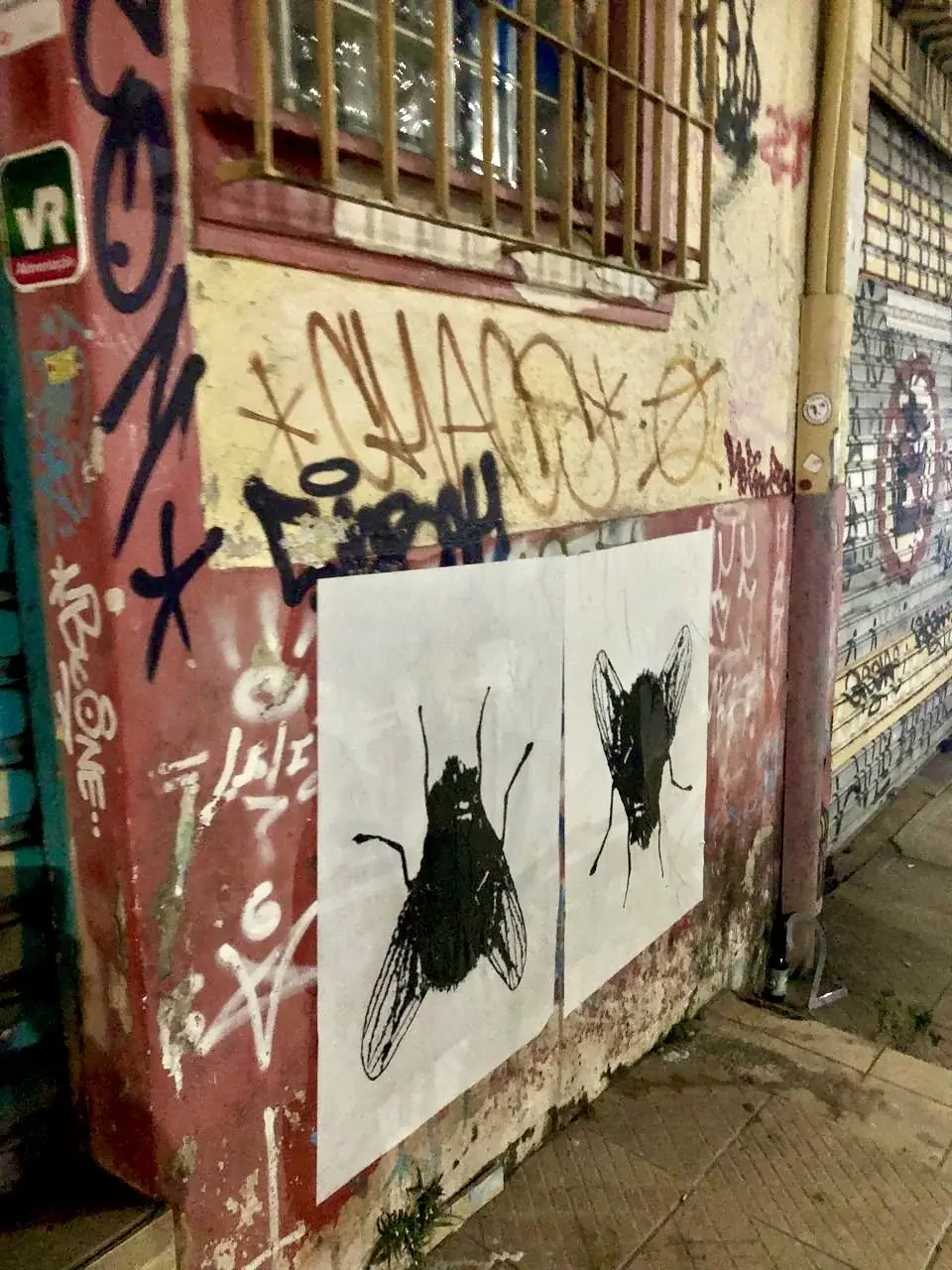
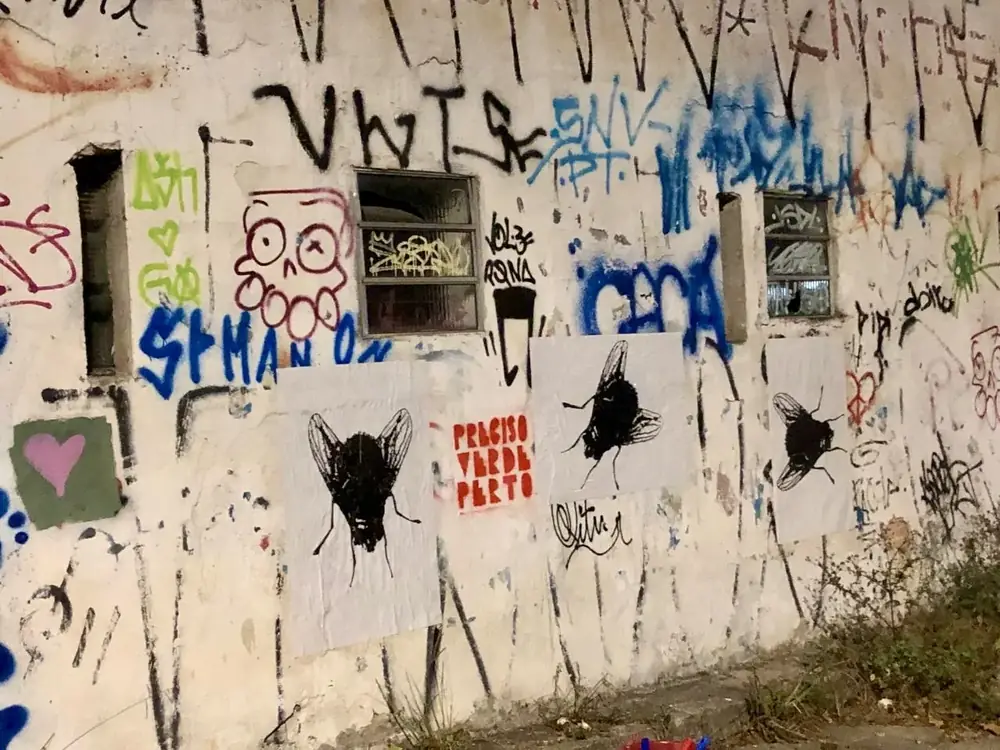
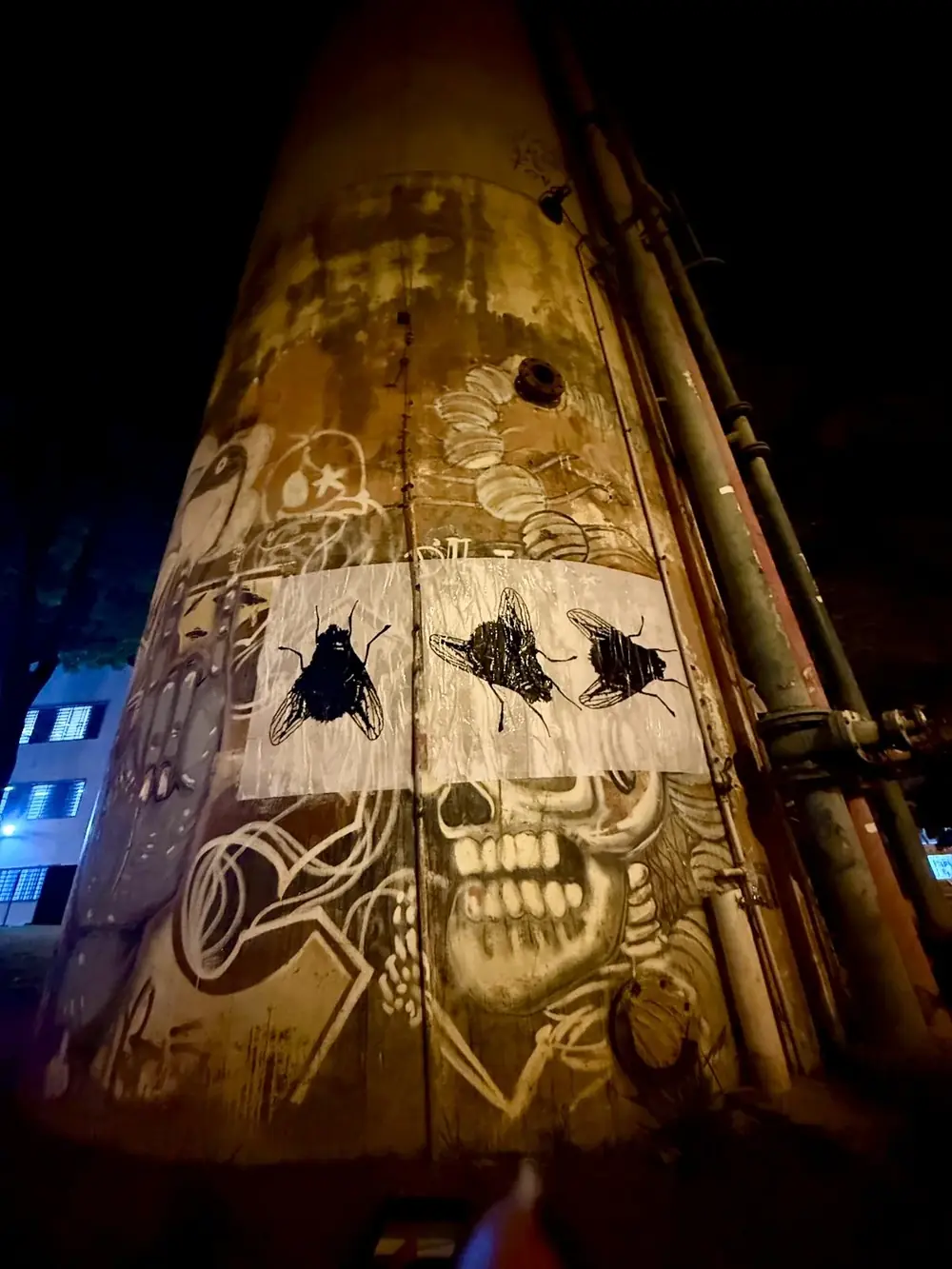
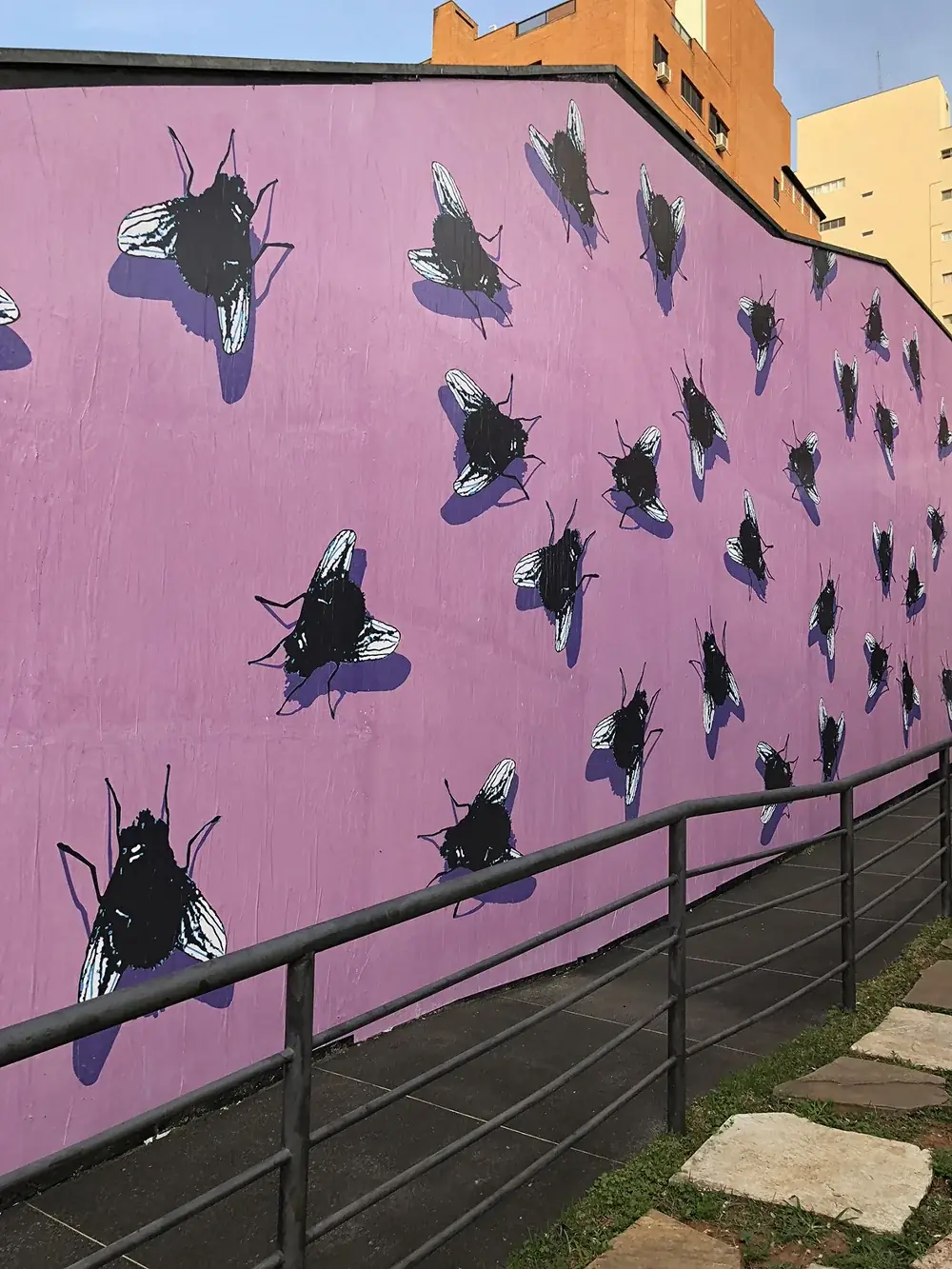
2025 Wheatpasting around São Paulo. Carlos Nunes and Angel Calvo’s project Meia Meia Nove Meia #02
1 of 7
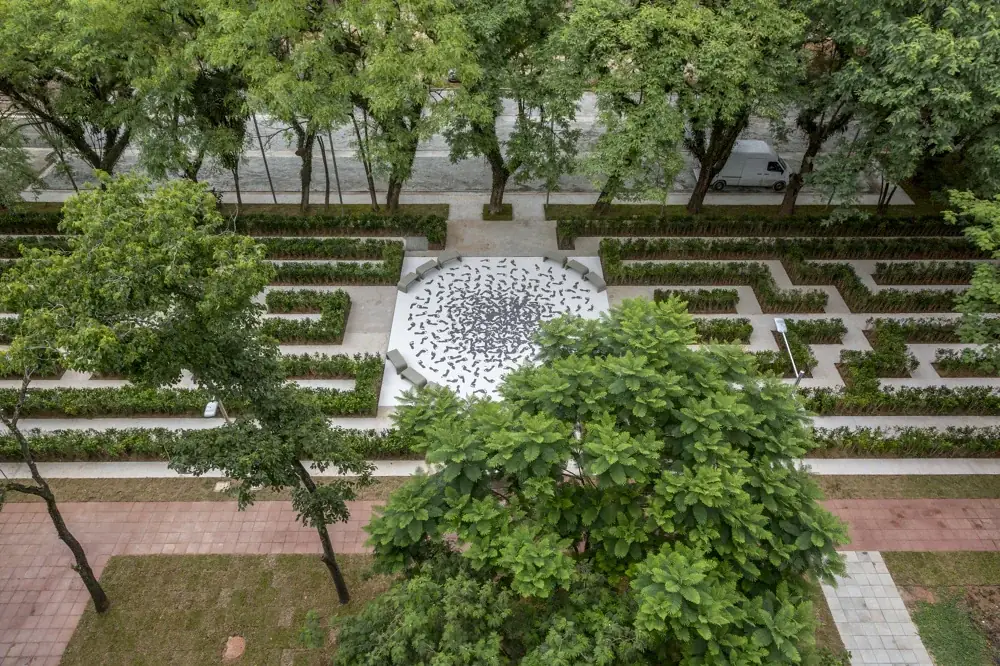
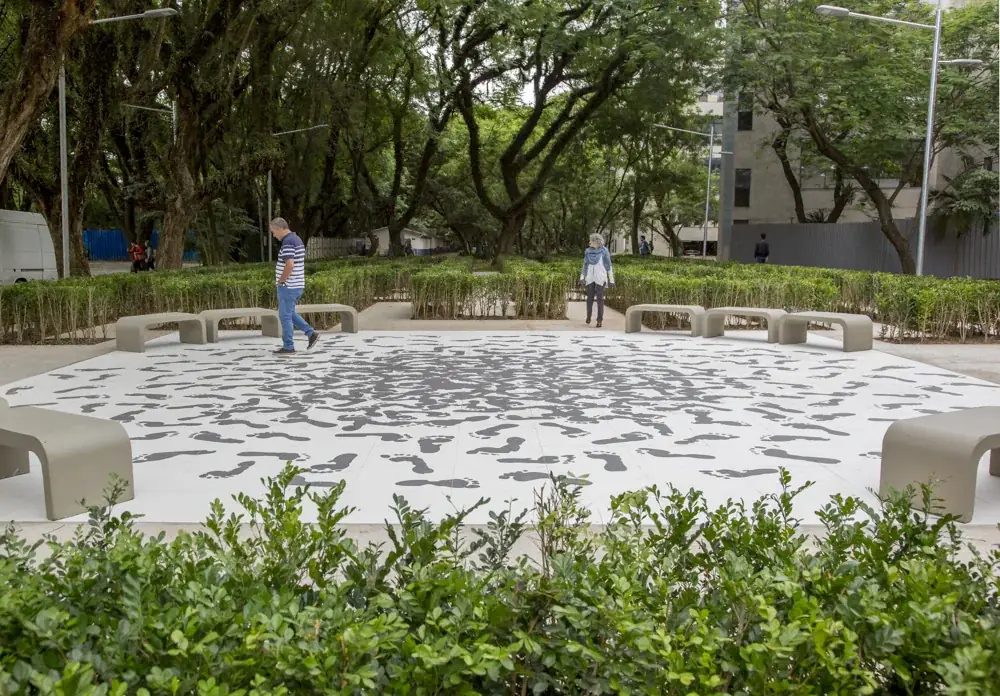
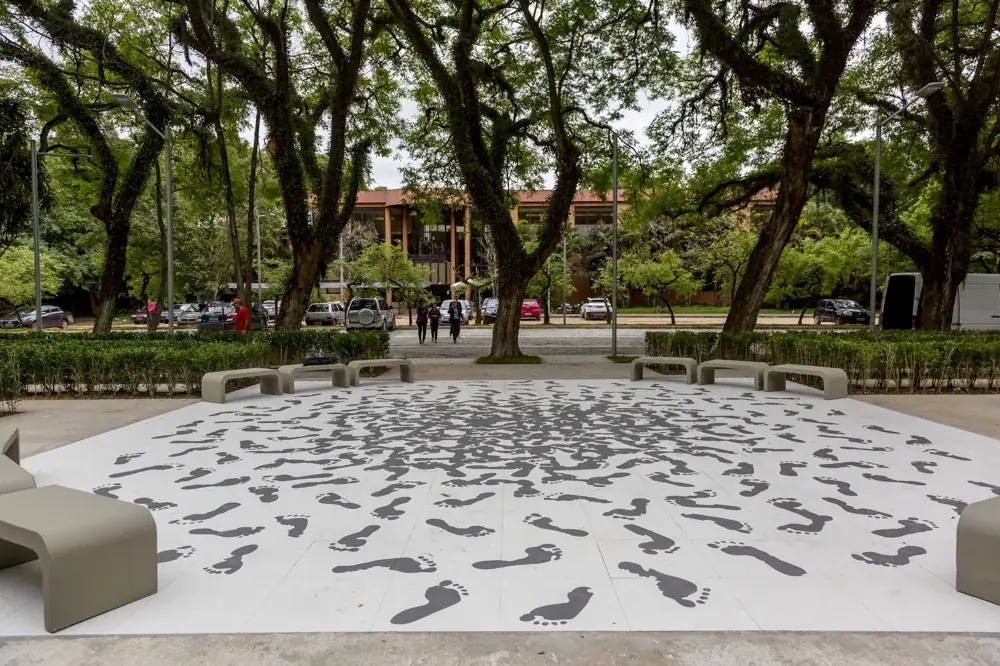
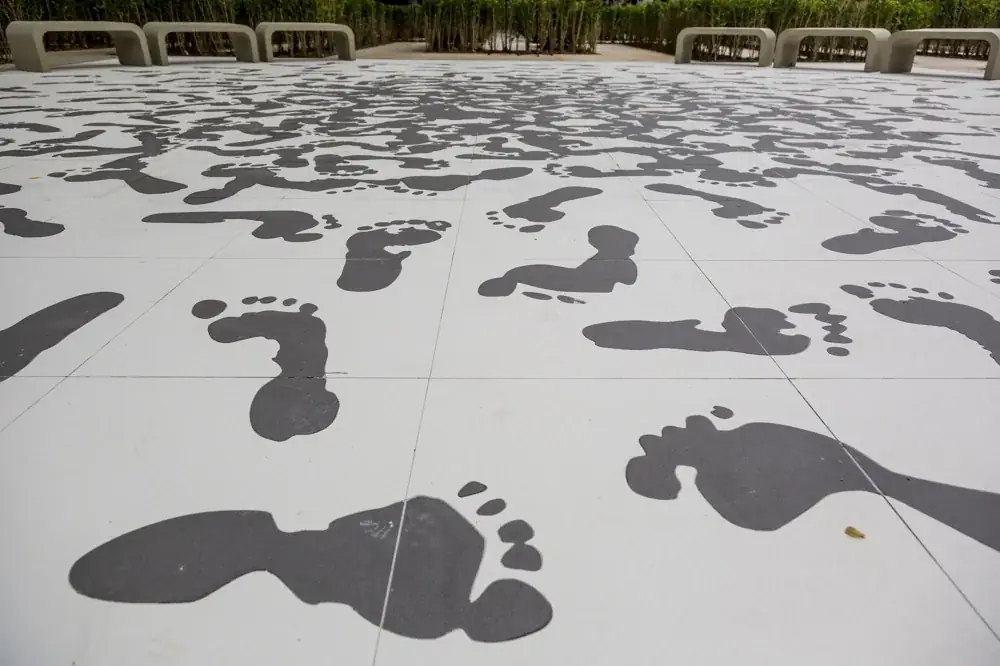
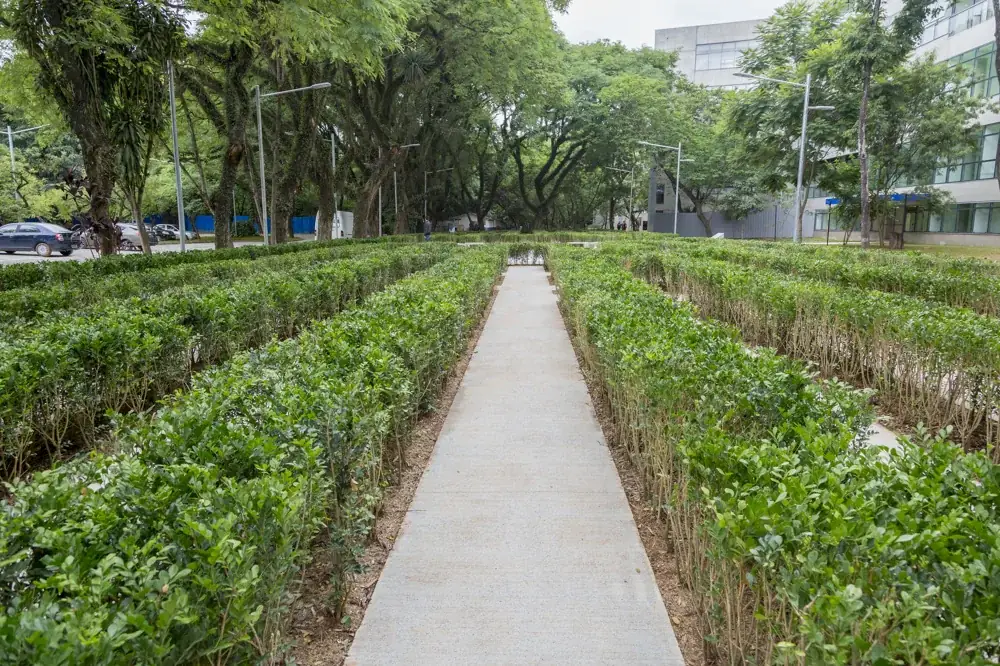
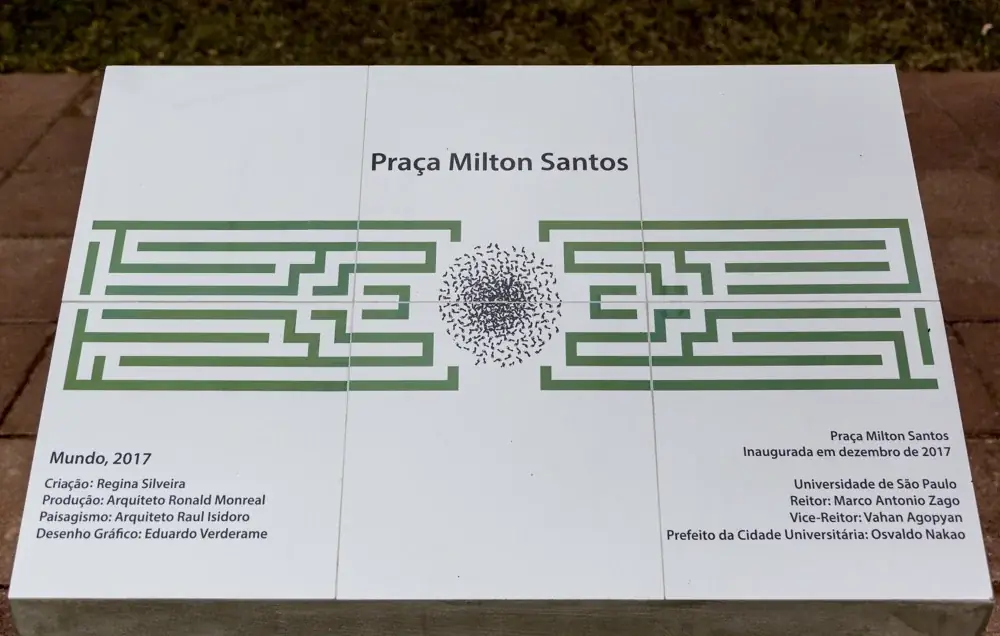
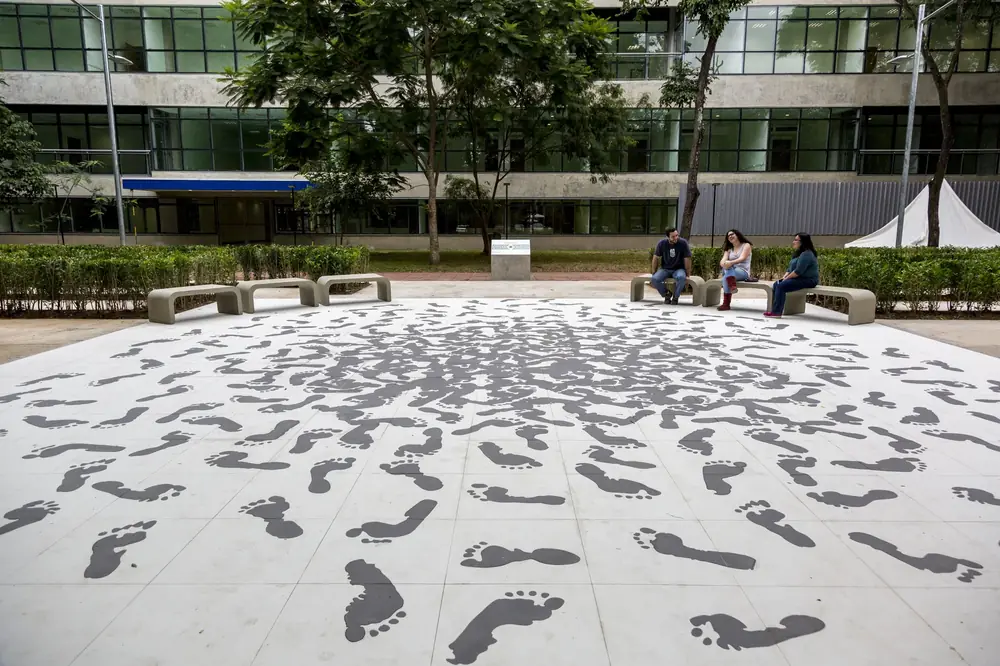
2017 Praça Milton Santos, USP, São Paulo · Produção: Ronald Monreal · Paisagismo: Raul Isidoro · Desenho gráfico: Eduardo Verderame Photo: Bruna Goldberger · Produção: Ronald Monreal · Paisagismo: Raul Isidoro · Desenho gráfico: Eduardo Verderame
1 of 7
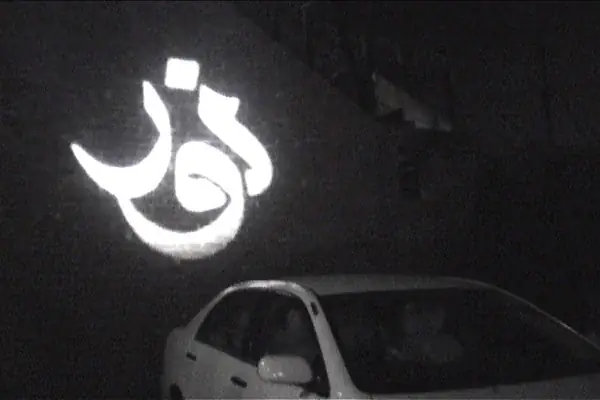
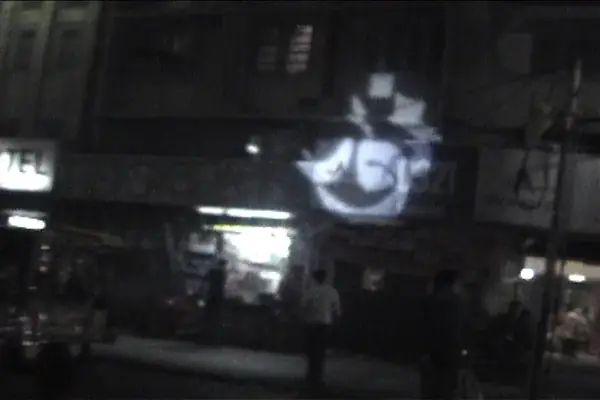
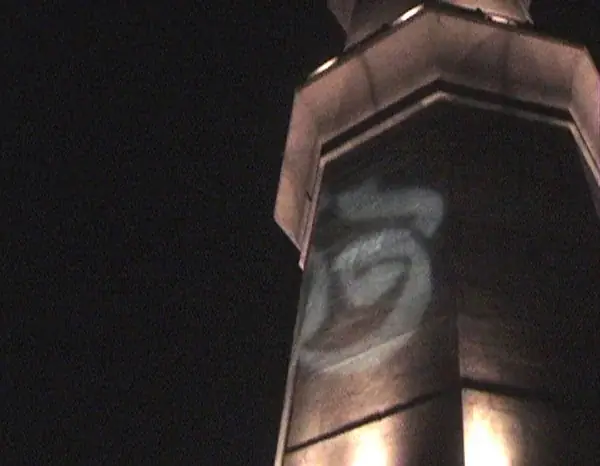
2004 World Performing Arts Festival, Lahore, Paquistão
1 of 7
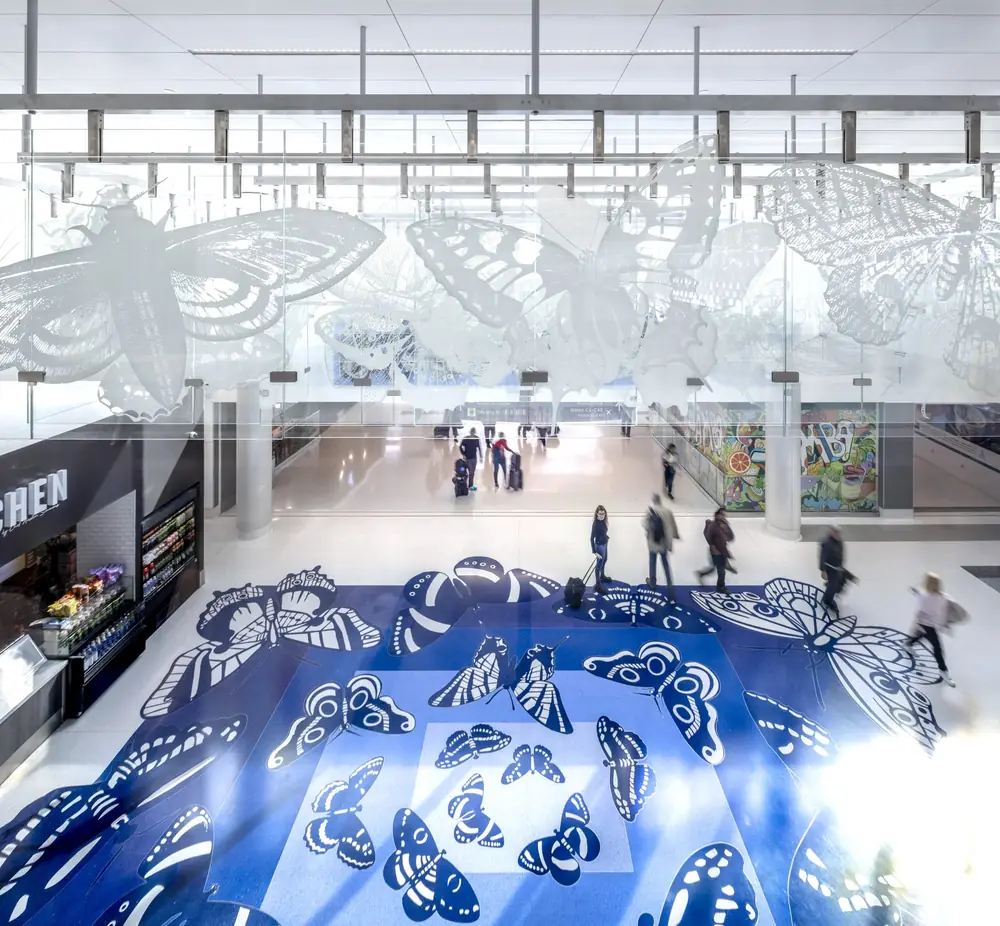
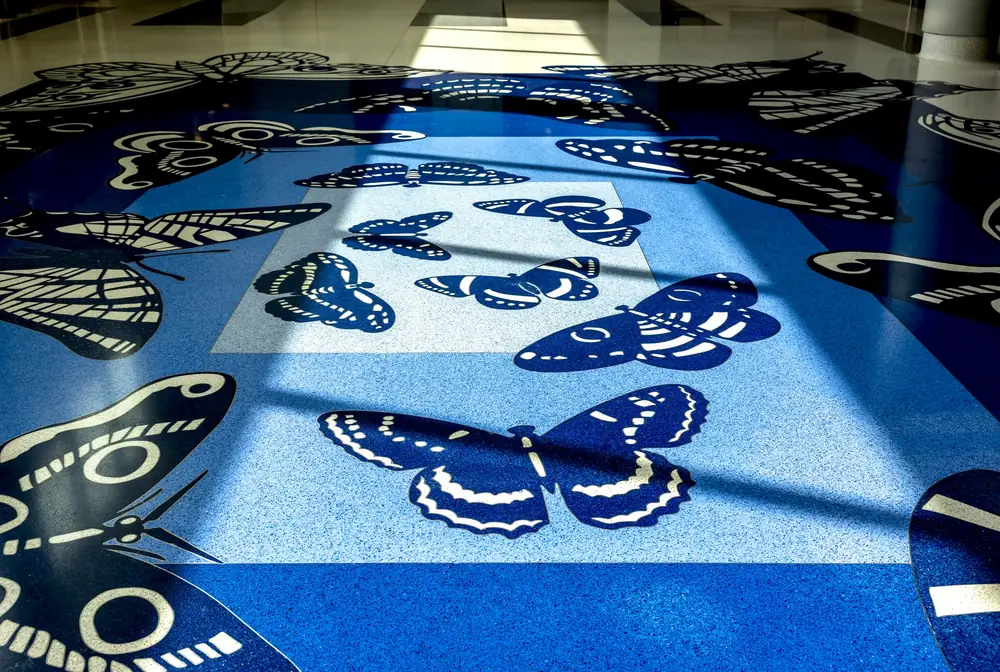
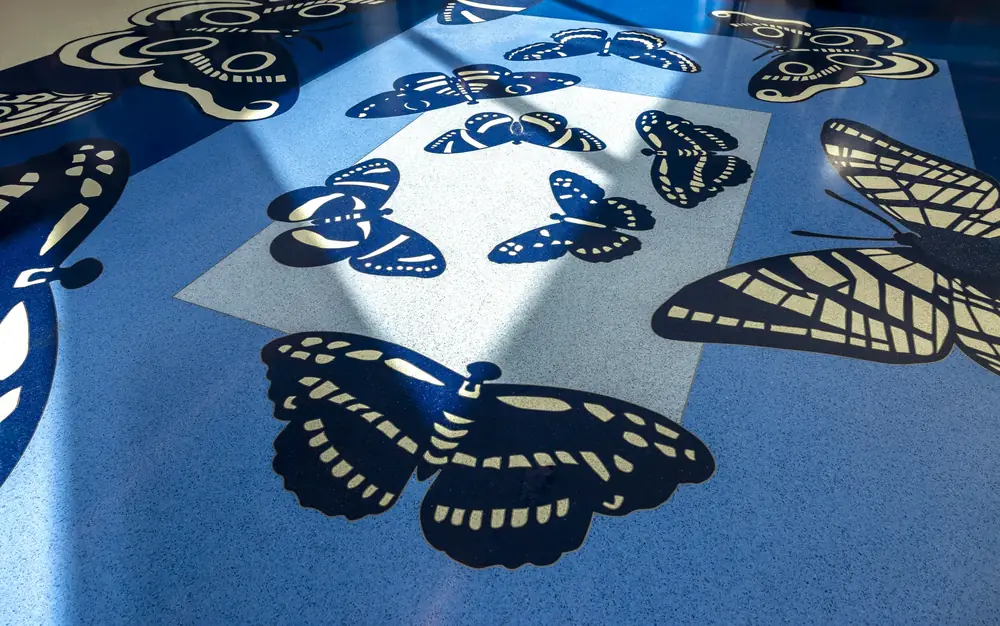
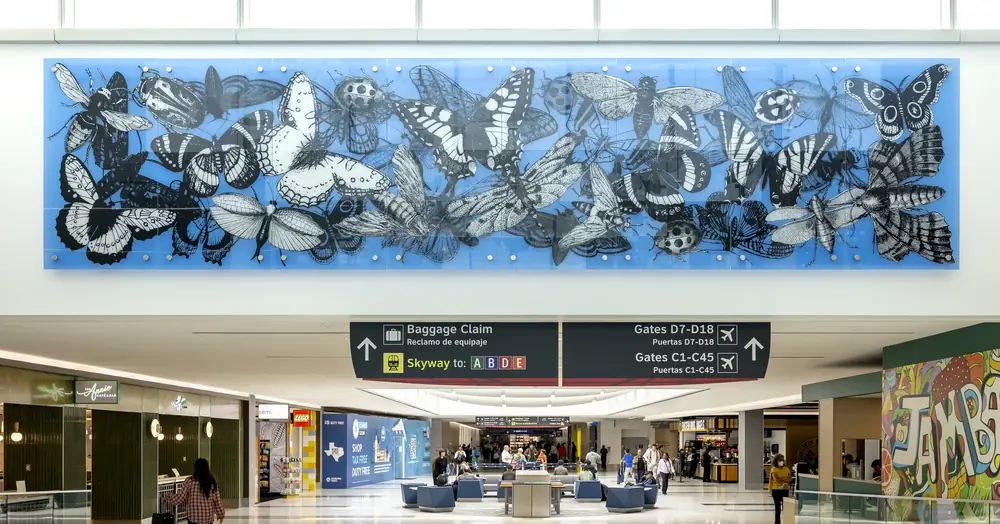
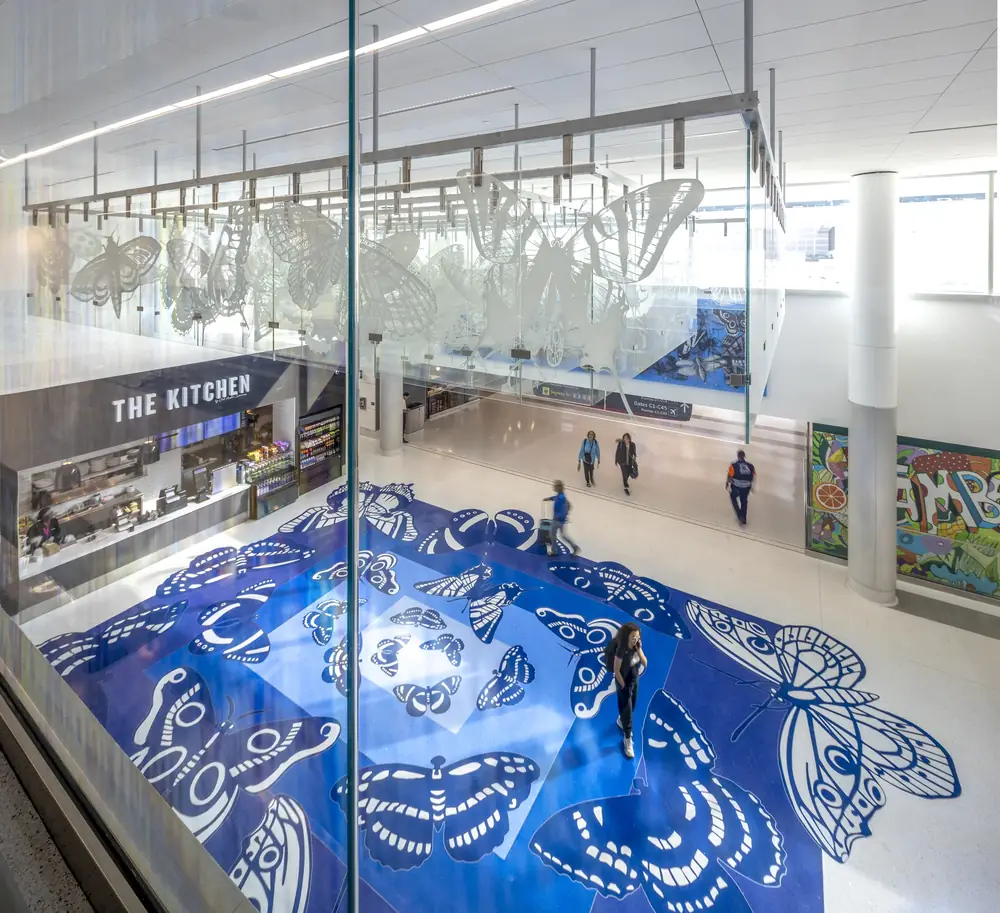
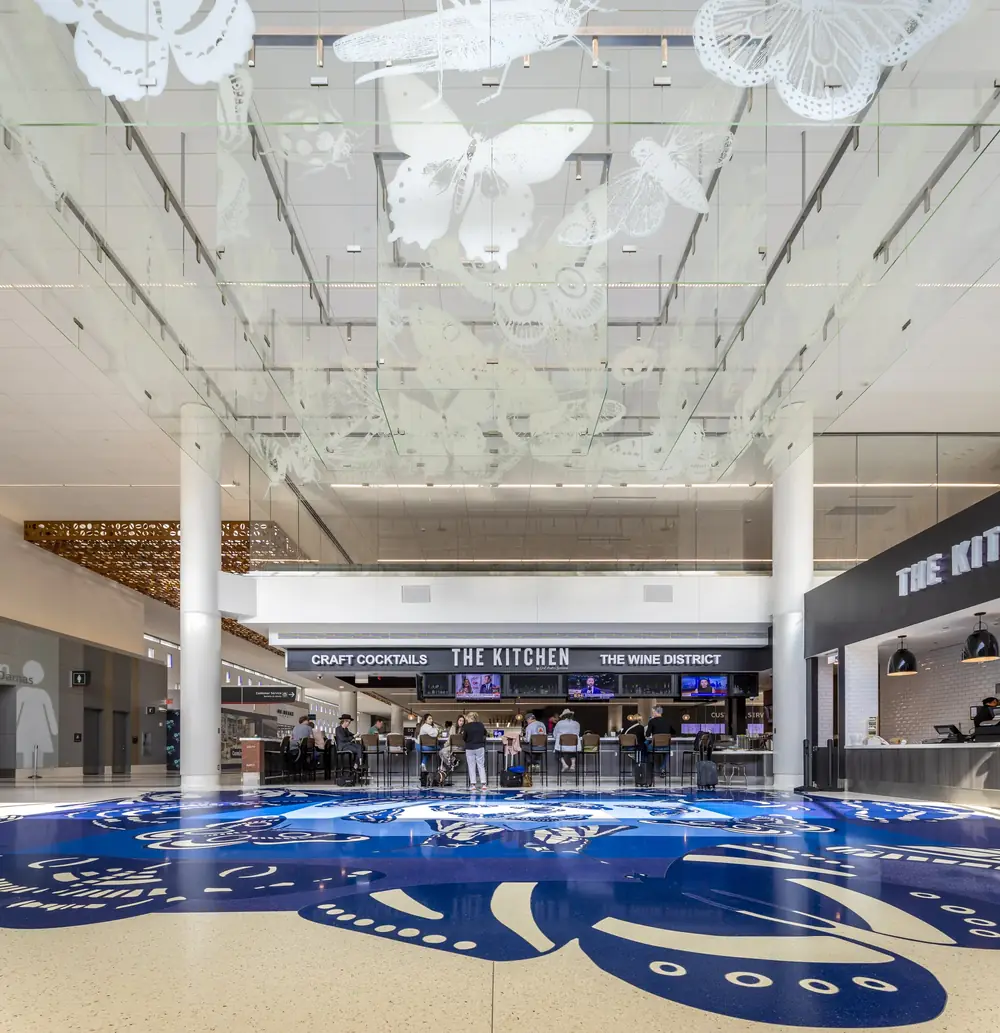
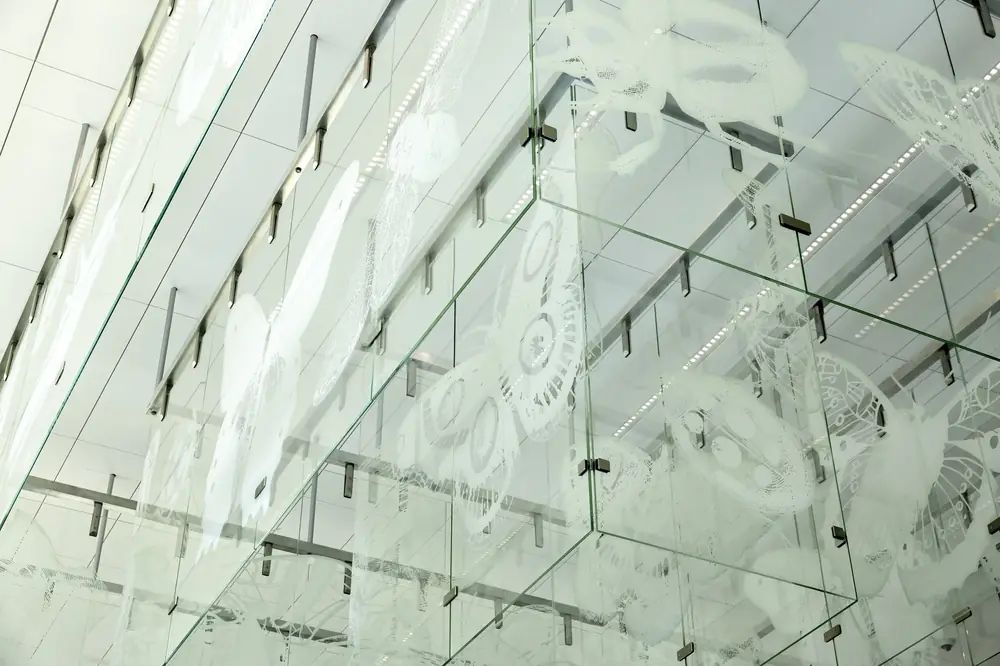
Mickey Leland International Terminal, George Bush Intercontinental Airport, Houston, USA © Slyworks Photography
1 of 8
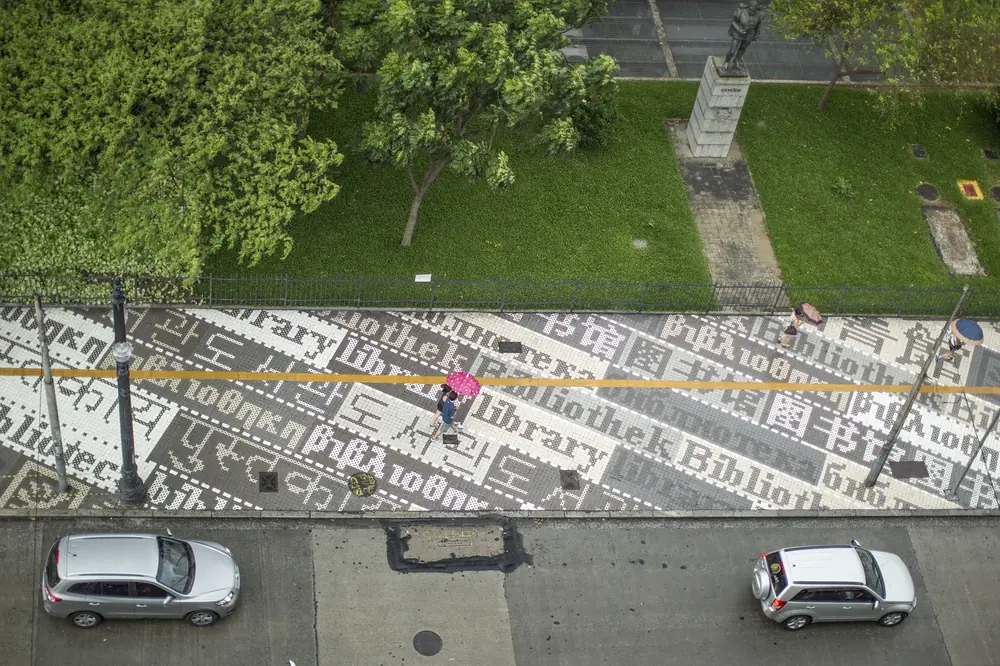
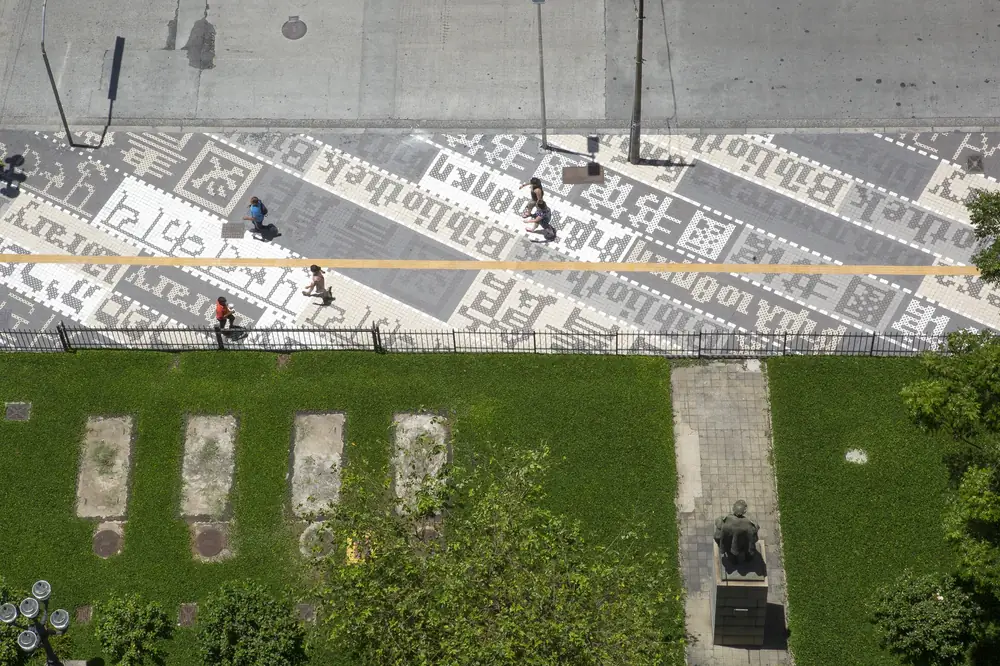
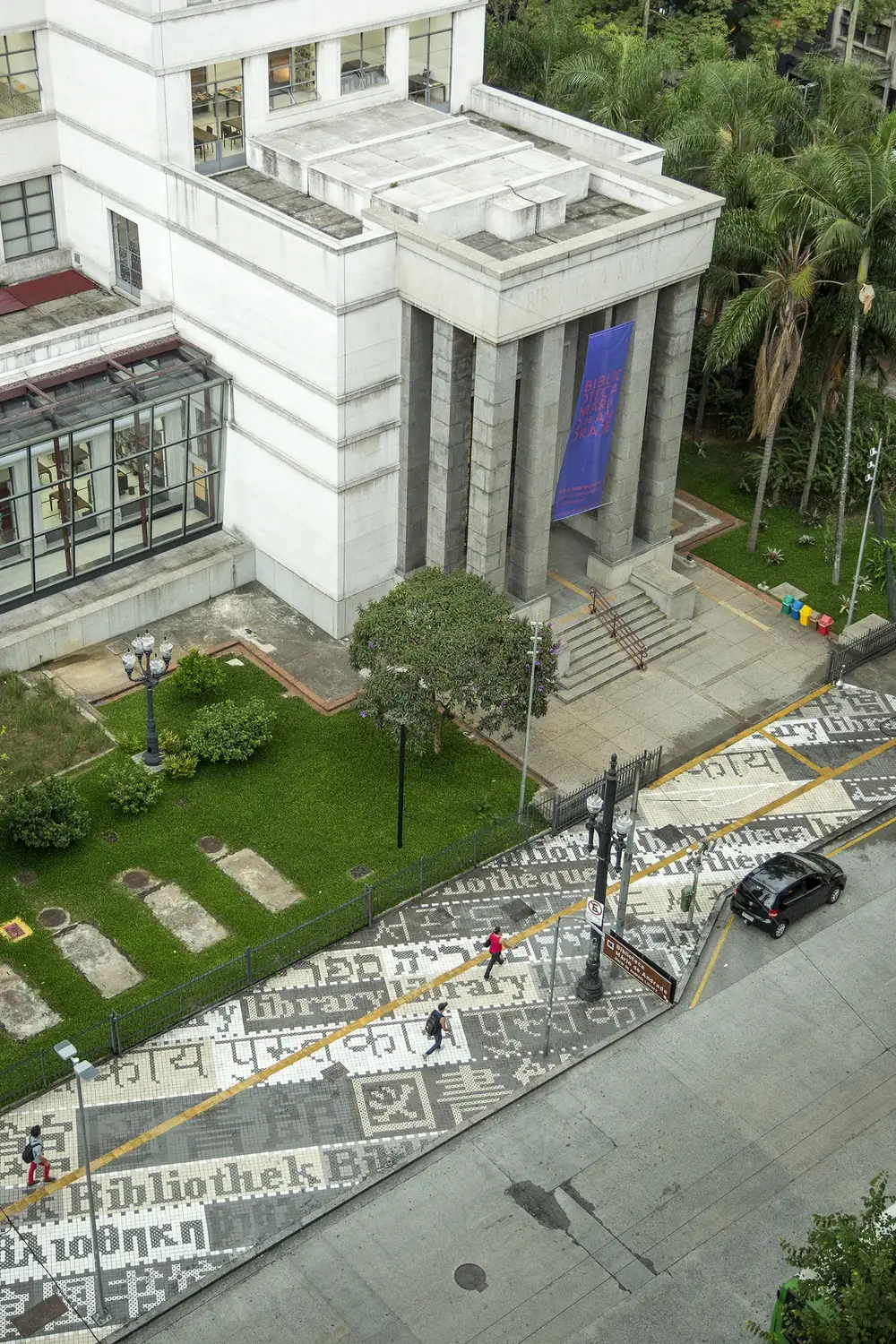
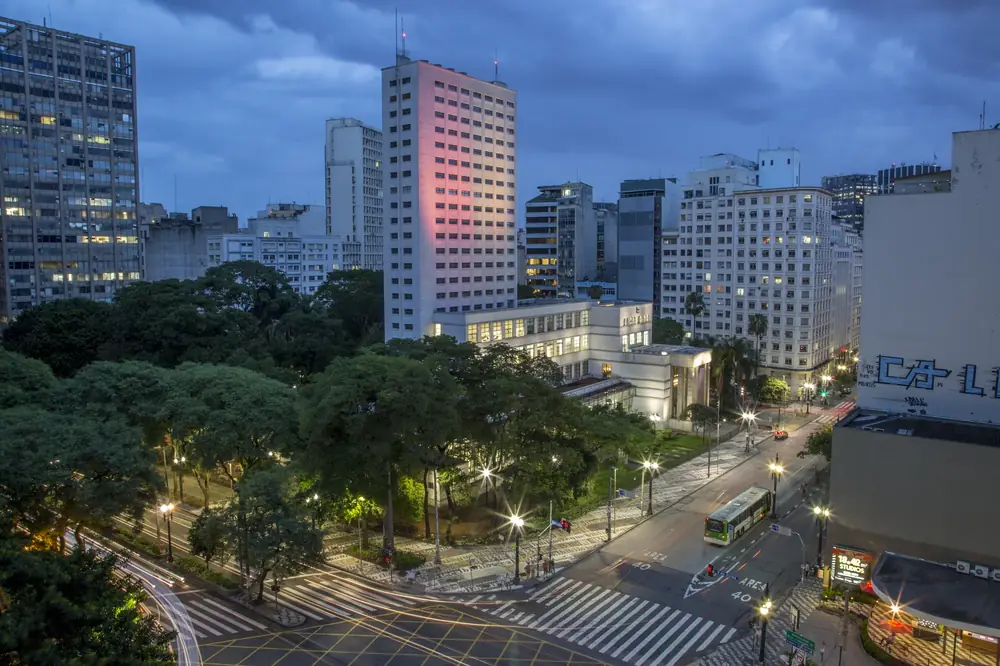
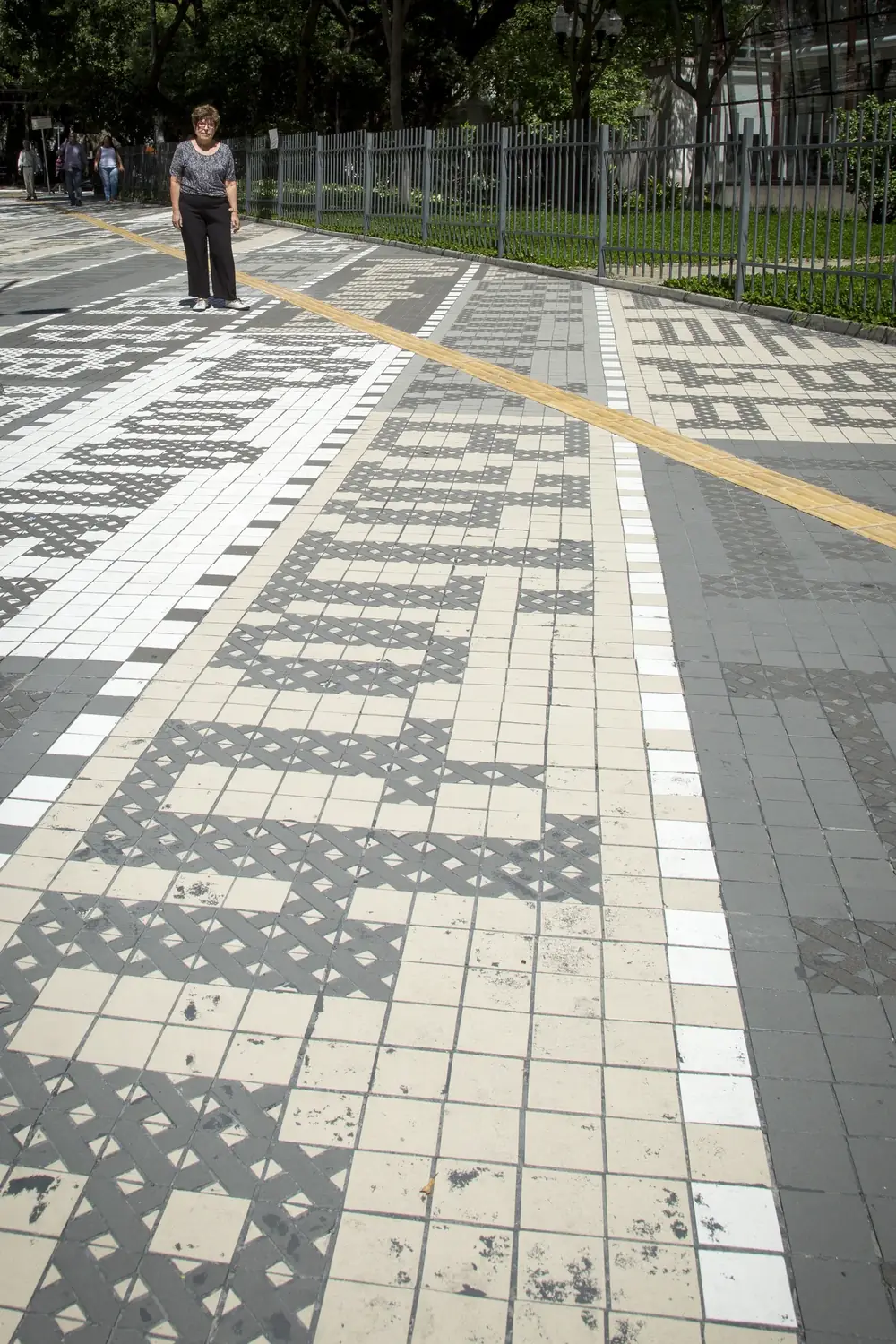
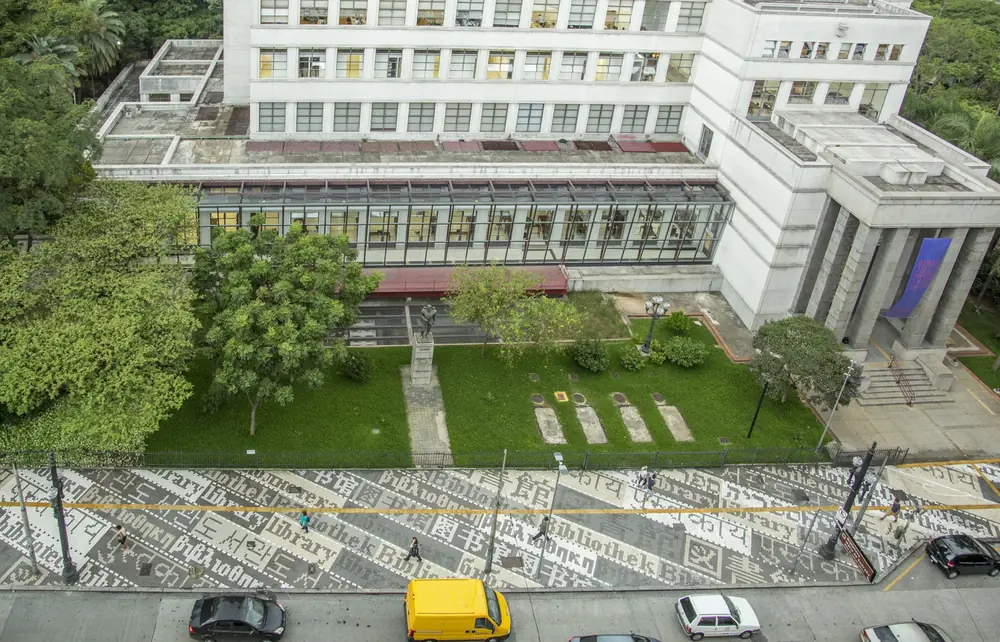
2015 Biblioteca Mário de Andrade, São Paulo, Brasil Photo: Bruna Goldberger
1 of 7
2012 Parque Estoril, São Bernardo do Campo, Brasil
1 of 10
Produced by SESC Santana, São Paulo, Brazil Photo: Nilton Silva
1 of 5
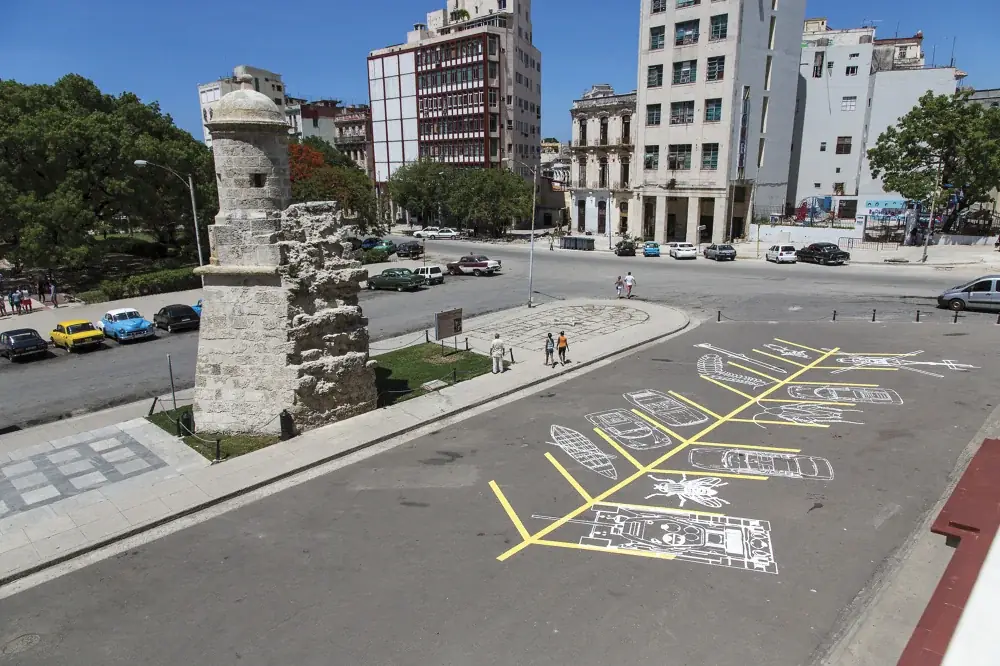
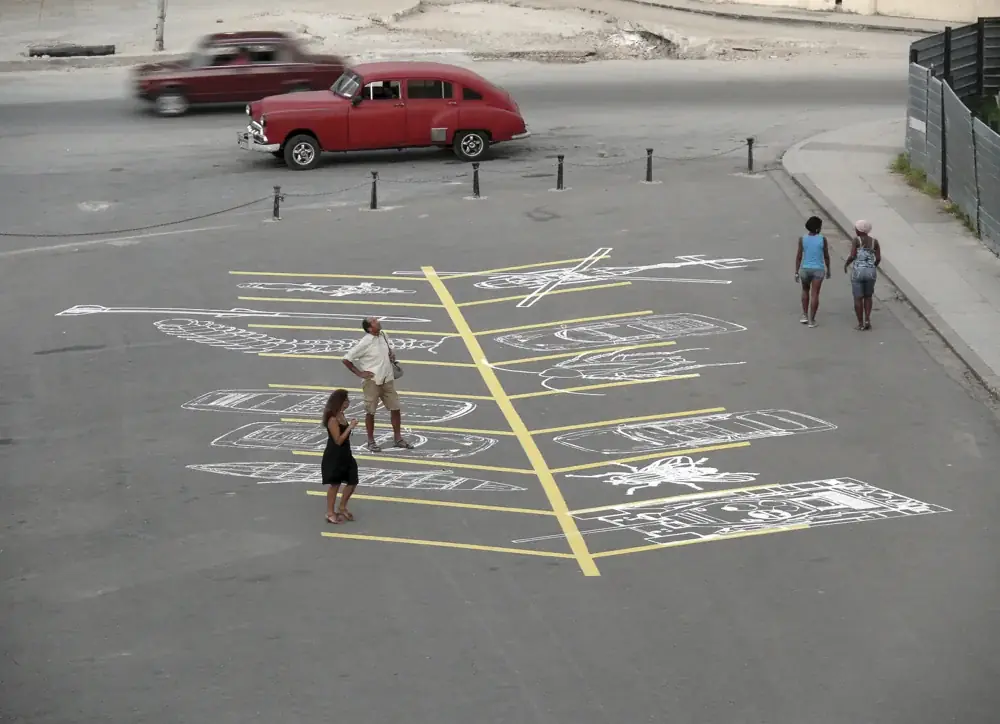
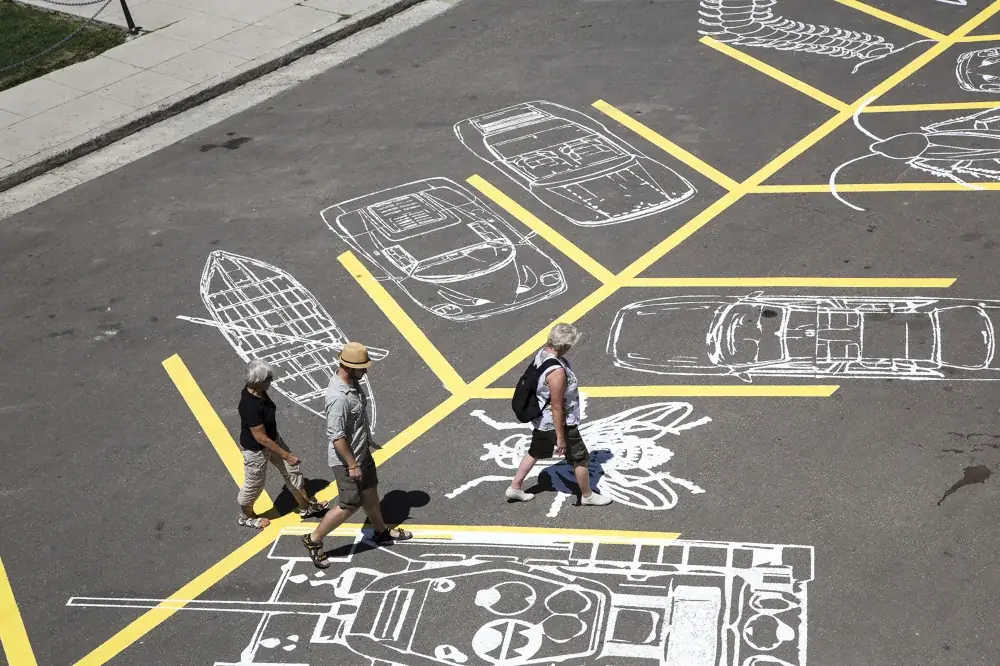
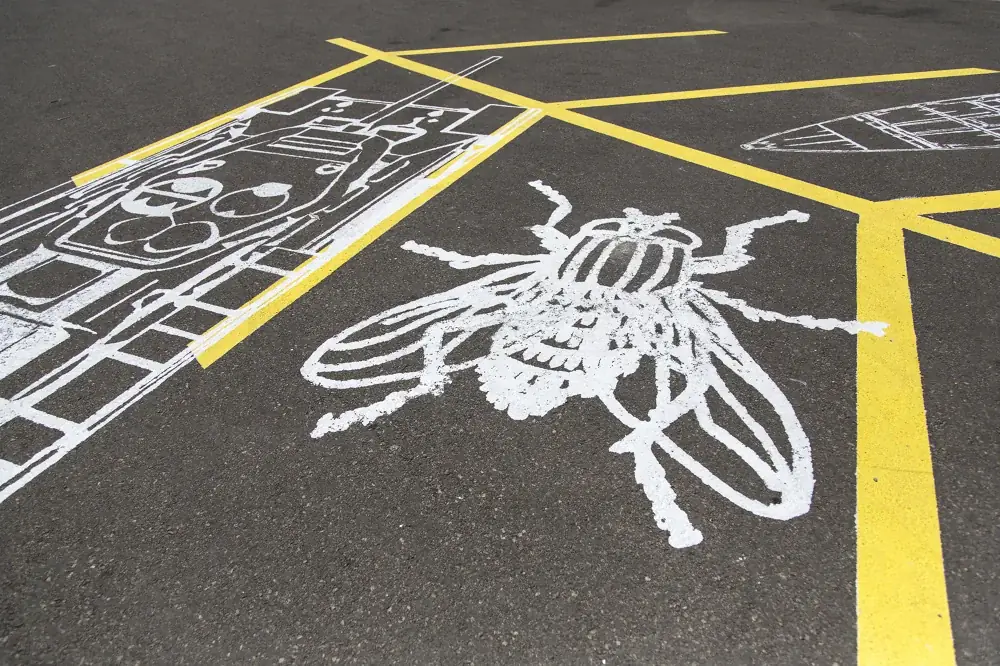
Museo de la Revolución, Havana, Cuba.
1 of 9
Barra Funda, São Paulo, Brasil Photo: Bruna Goldberger
1 of 3
Galeria La Cometa, Bogotá, Colômbia.
1 of 4
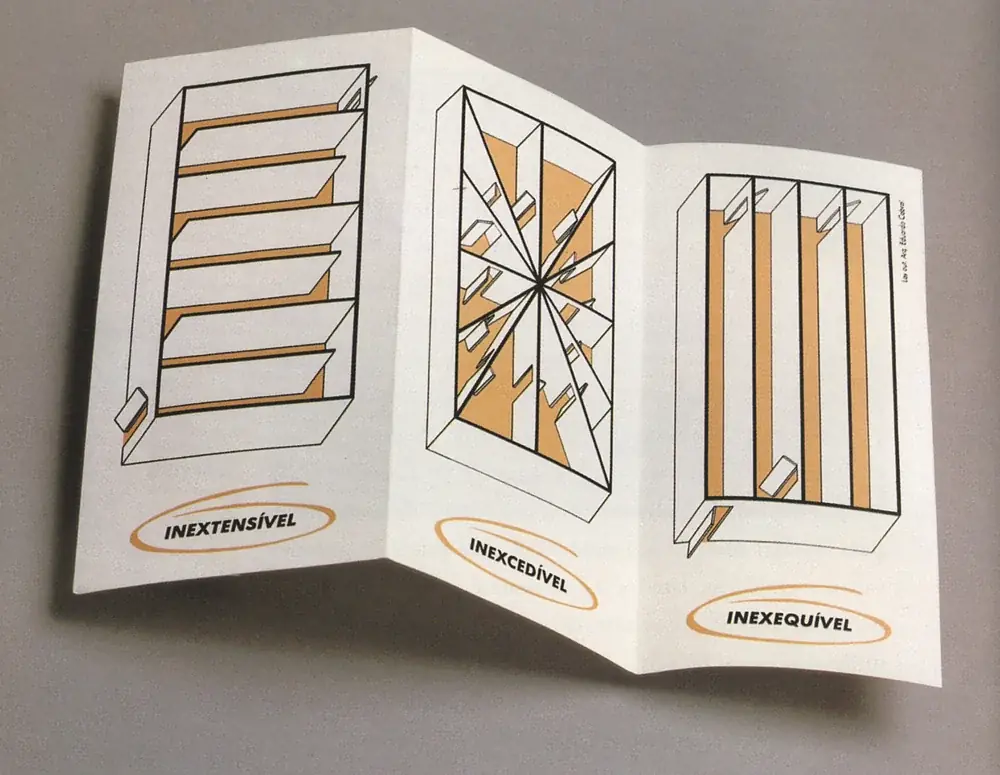
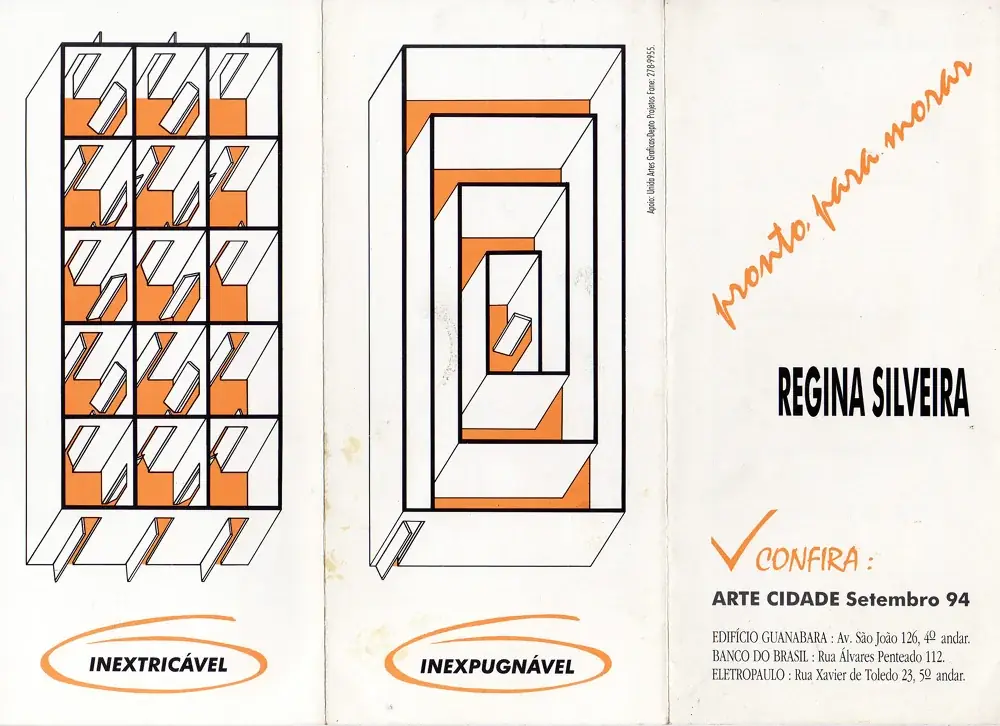
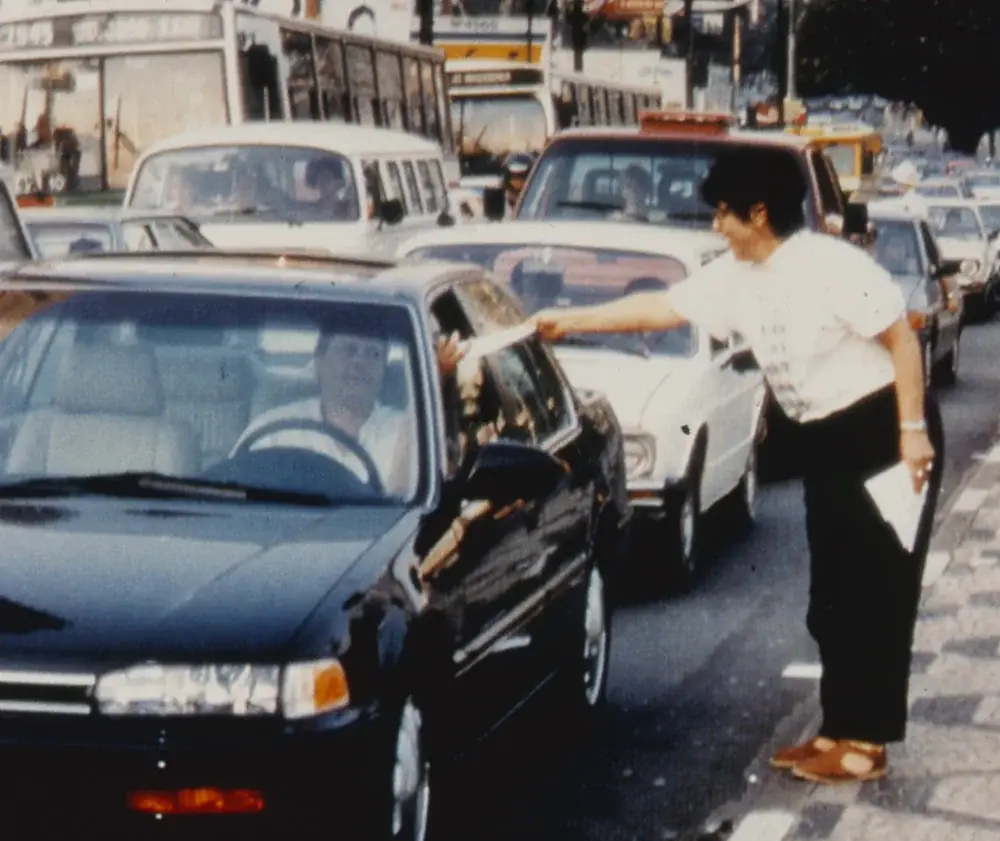
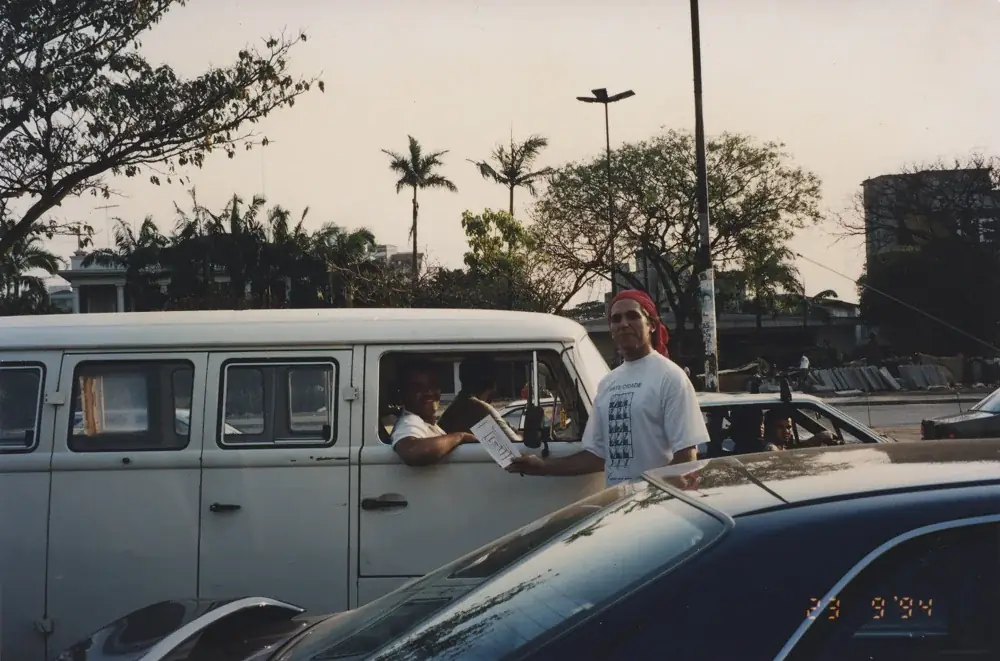
1994 Exposição Arte Cidade 94, São Paulo, Brasil.
1 of 4
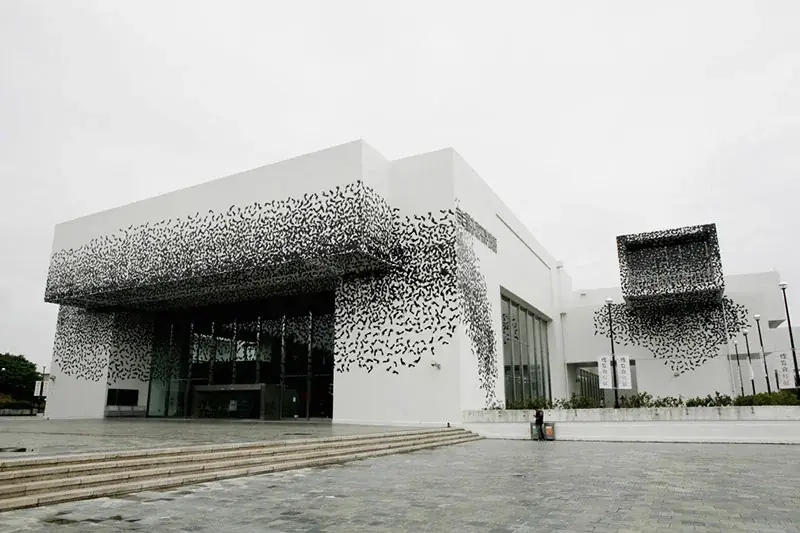
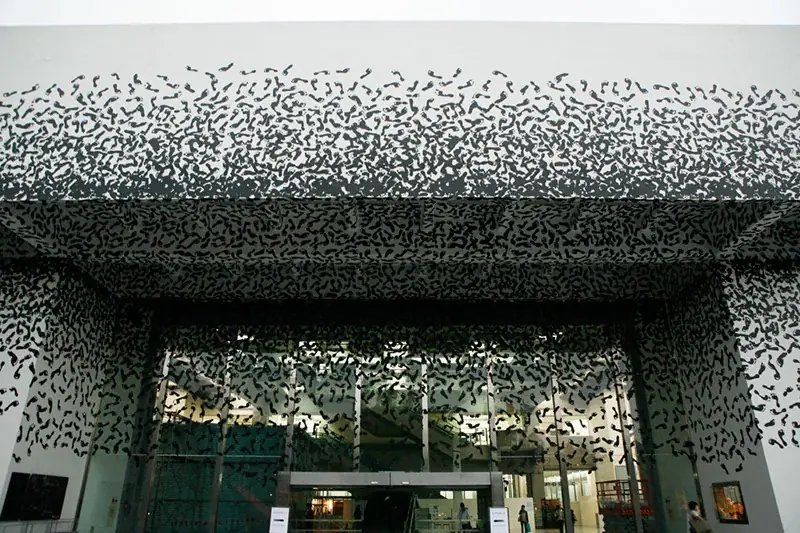
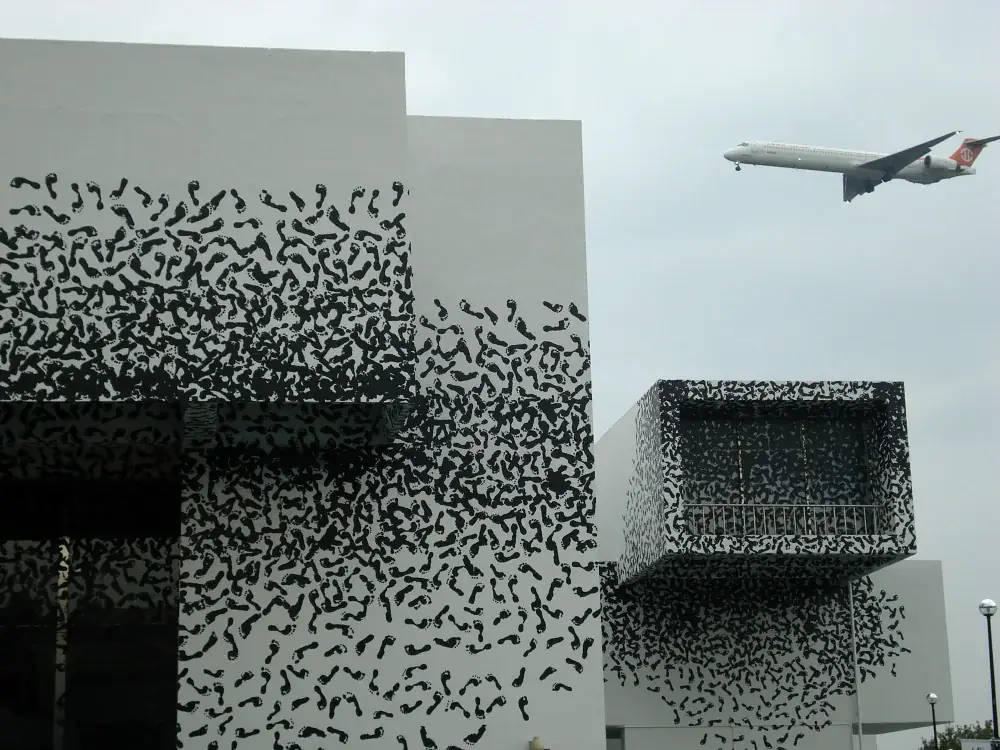
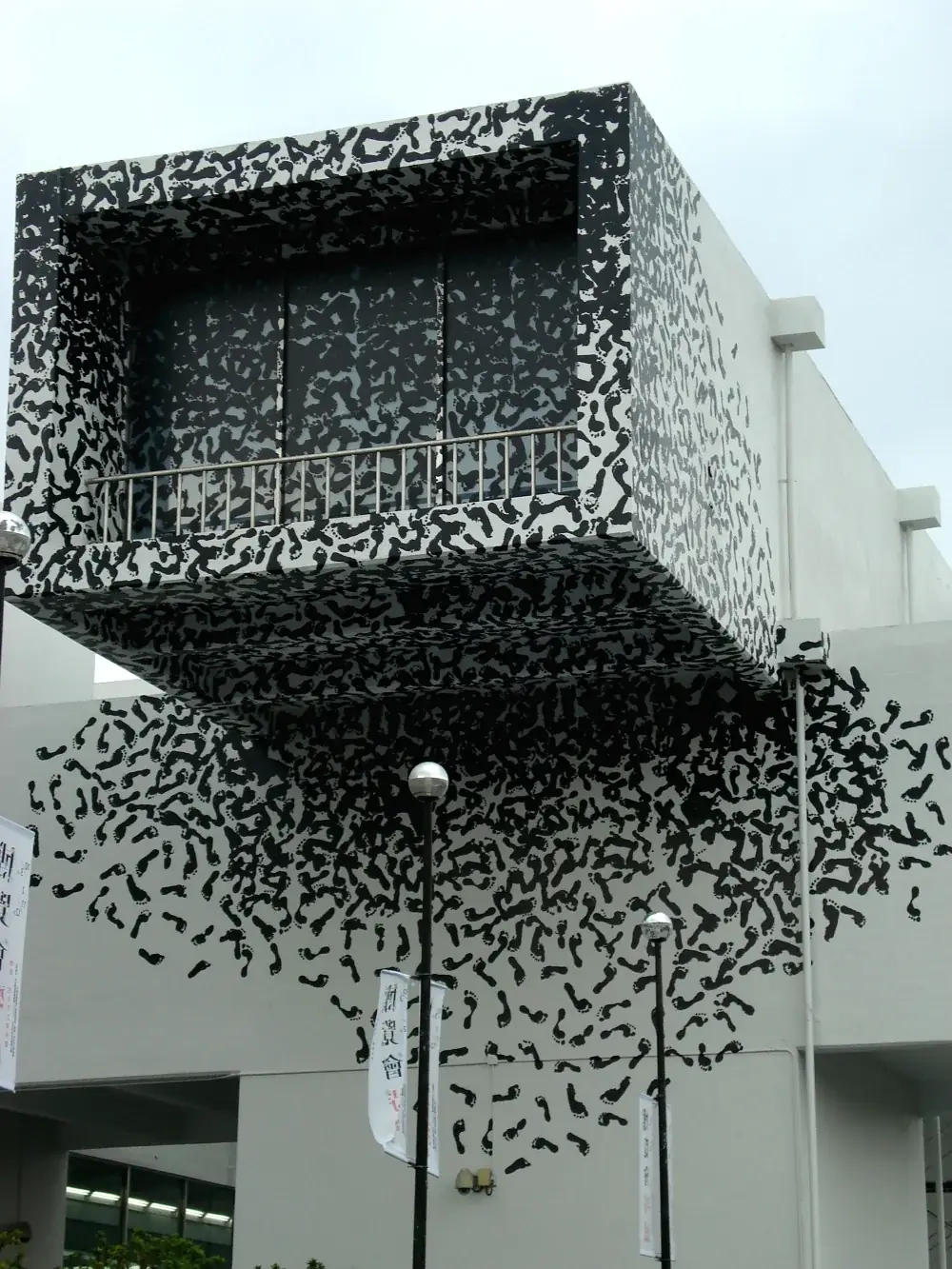
2006 6th Taipei Biennial, Taipei Fine Arts Museum. Taiwan Photo: Ho Chung-Chang
1 of 4
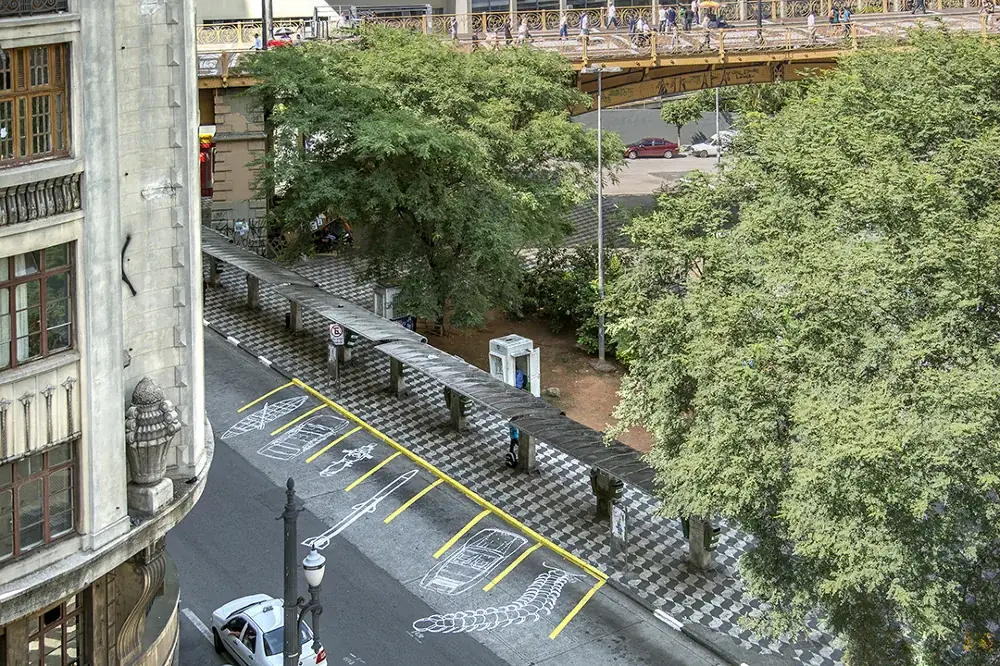
Avenida Paulista, São Paulo, Brasil
1 of 4
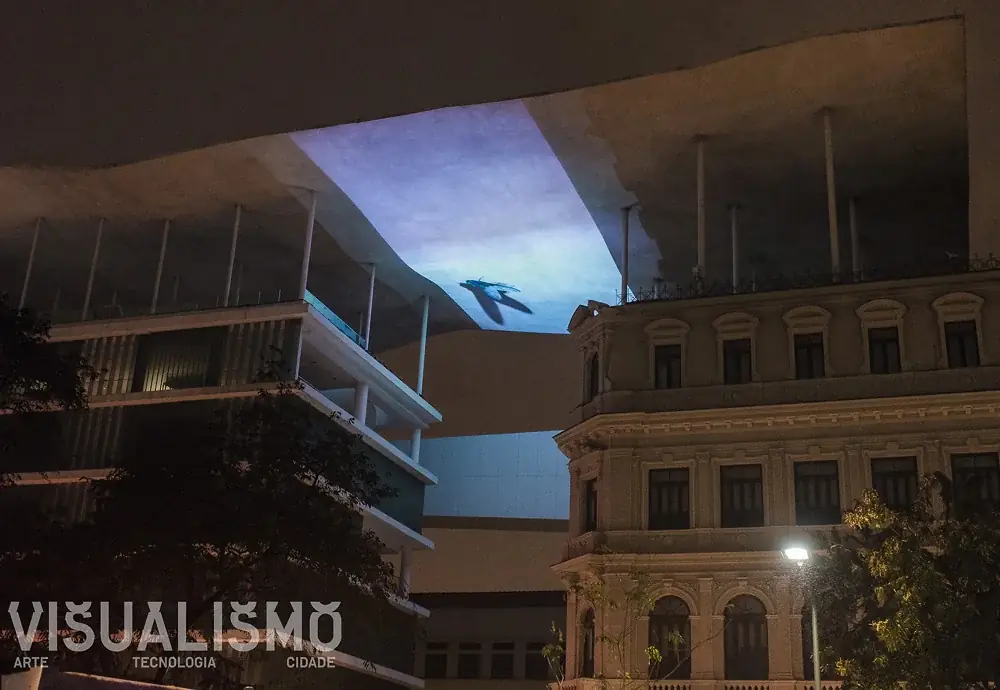
2015 Festival Visualismo, Praça Mauá, Rio de Janeiro Photo: Eduardo Magalhães
1 of 3
Institute of Mathematics and Computer Sciences, USP, São Carlos, Brazil Photo: Carlos Kipnis
1 of 7
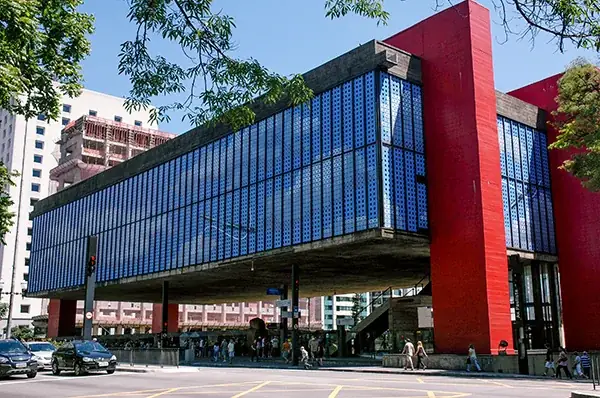
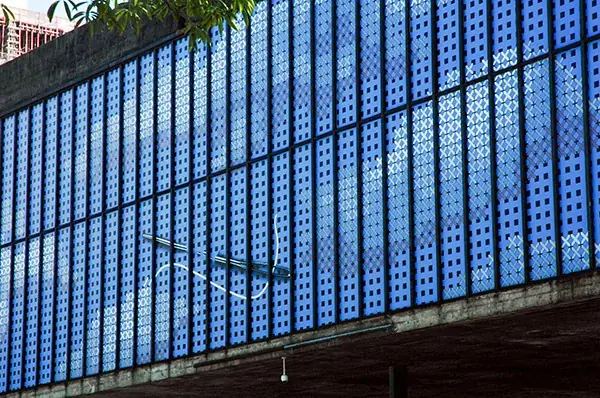
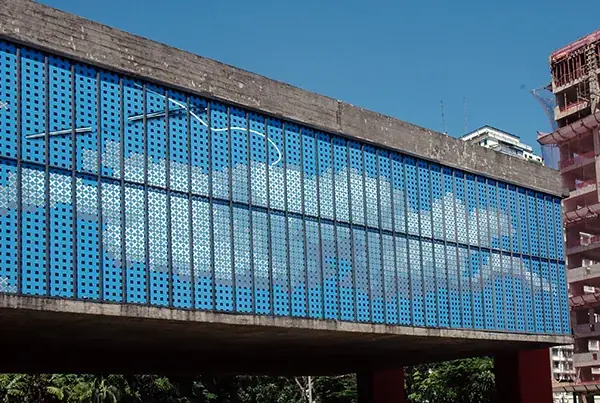
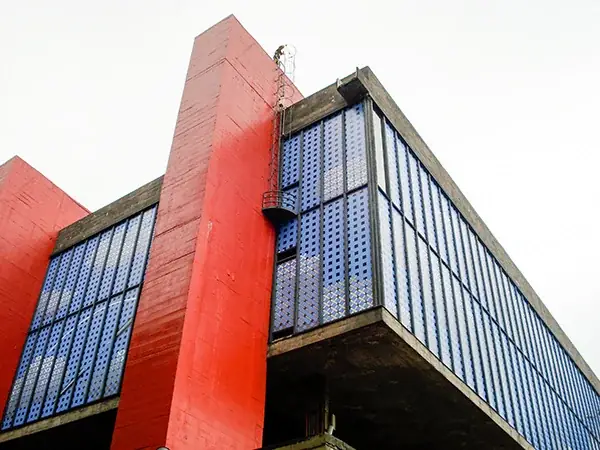
Museu de Arte de São Paulo Assis Chateaubriand, São Paulo, Brasil
Teixeira Coelho
There are a number of skies today, in art. There has always been, in the history of art. Today, there are maybe even more – and as central characters of the story, not just like supporting characters of someone else’s or something’s else story anymore. It wouldn’t be hard to carry out a study on the reasons for this tendency. But why, now, an embroidered sky, a sky which is therefore twice as evident? Maybe because in São Paulo the sky is never visible, even though it is there. On arriving in São Paulo by plane, the sky is a brown-yellow bar weighing down over the city and cancelling the true sky. In Congonhas, a long time ago, on the dome over the internal lobby which distributes people to their destinations, there was a painted sky, a “realistic” one. Congonhas is the roof of São Paulo, Congonhas is already the sky of São Paulo – but in Congonhas also it was necessary to have another sky opening a false hole to the real sky that the planes tear through all the time. Maybe a number of skies are needed in São Paulo, a number of skies over São Paulo. The sky of São Paulo has a history, which now includes this one also.
Regina Silveira has done many skies. Interior ones, like in the Museu Vale, in Vitória; and exterior ones, such as the one for a New York library (which has not yet been installed). Interior ones, like in the Pinacoteca, quite recently. Exterior ones, such as this one now in the MASP, enormous, enthralling. Regina worked for a long time in black&white, with dark shades, often threatening. Now she calls on skies, blues&whites.
Her tone, in this case, is that of public art, urban art as it is also called, in a somewhat twisted way perhaps (art is always urban or it is not). As São Paulo is still very ugly, with a hasty type of architecture, dashed off, packed, squashed, piled up, in a crammed setting, public art should be a permanent resource. It still isn’t. Regina Silveira has dedicated herself to this genre for a long time, possibly more abroad, where the receptivity and awareness of this need are more intense. Even so, some will remember a ‘”stampede” that she applied to the facade of the Bienal, a few years ago, and other installations or “walking-by” (with projections) less or more provisional through the streets of the city. Abroad, two cases stand out: the facade of the Taipei Fine Arts Museum, in Taiwan, and the Palácio de Cristal in Madrid, anthological in her personal history.
Regina Silveira’s is a singular art. It is not hard to understand it – contrary to many others who still insist on rarefied meanings. Yet, she is all too sophisticated in her resources and effects. An embroidered sky could point towards the option for a “gender art”, as we euphemistically say today instead of emphasizing what is behind this word: an art of a sex, an art with a sex. The sky is embroidered, therefore, according to the established code, it would be a feminine sky, an anti-feminist or post-feminist one, depending on the interpretation. It is an embroidered sky, a sky that needs to be stuck to a façade that has never served art as much as now. The sky in São Paulo evades the eye, therefore the body, with frightening speed: this one will stay parked for some time at the MASP. With it, time will also stay still, as will those who want to appreciate it. A token of contemporary art that is contrary to the flow of things, a contemporary art that opens to another state of the things. And yet a contemporary art that will soon disappear from this façade itself – a work of art which accepts to disappear. The eternal precariousness of the skies meets the transitory nature of today’s art, in a provisional harmony.
2010
1 of 4
1 of 2
2006 Virada Cultural Photo: Renato Pera
Image requests, enquiries about works and exhibitions